Compare a video edit with the original using AI
Inspect delivered frames beside their matching moments in the original shot, with a black panel wherever the editor removed footage.
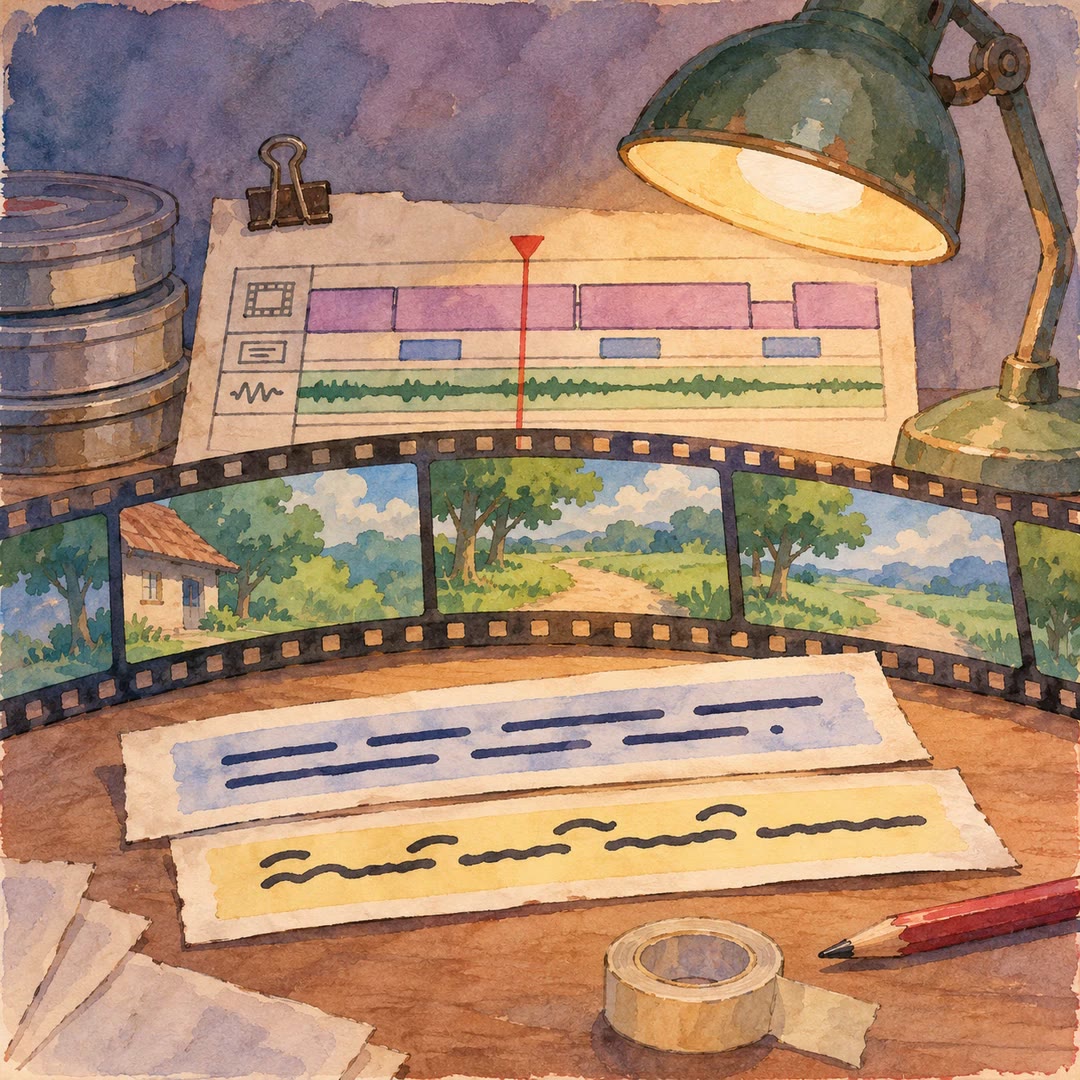
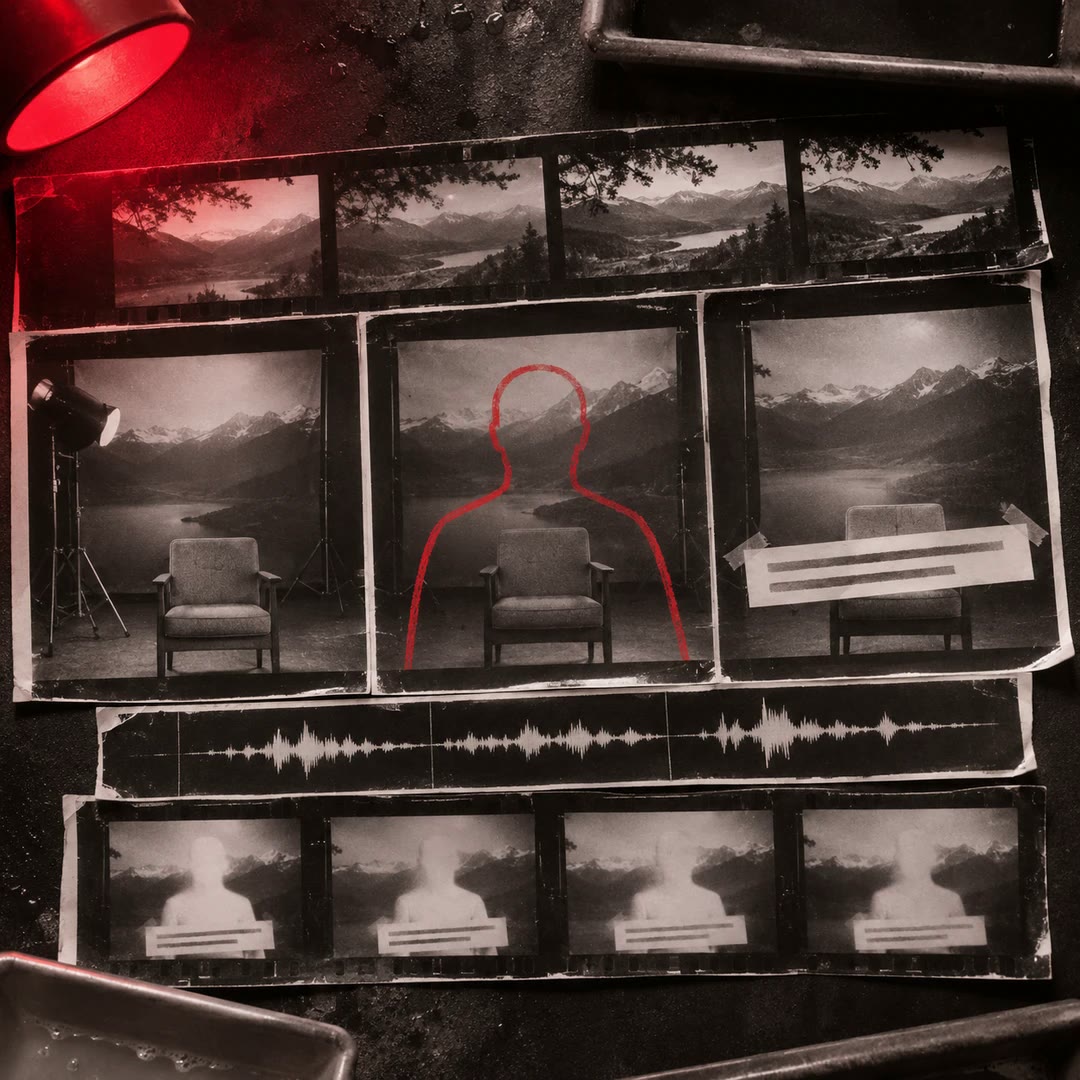
Compare a video edit with the original using AI when a straightforward side-by-side playback loses sync after the first cut. The video-edit-compare skill uses the edit timeline to put the delivered frames back on the source recording’s clock. The left panel plays continuously and the right panel goes black during a dropped interval.
Using the actual delivery matters if a grade or title was added after the rough cut. You see those final pixels in kept sections. The comparison carries the original audio throughout, so it answers questions about edit placement while the delivery itself remains the reference for listening to the final mix.
What it does
- Locate a missing or retained moment against the unbroken source.
- Inspect where a title or grade appears in the actual delivery.
- Review a constant-speed change on the original timescale.
- Mark each discarded section with a visible gap.
- Check the comparison duration and sampled frames against the timeline.
Install and use
- Supply one chronological source, the rendered delivery and their timeline mapping. The workflow runs locally with Python, Pillow, FFmpeg and ffprobe.
- Ask, “Compare the final cut with this recording and show where the shortened pause ends. Include the delivered end card.”
- Inspect both panels around the cut and check the comparison report before handing the file to a reviewer.
FAQ
Source
Made by WhiteTowerAI. Original skill: video-edit-compare, published on GitHub under the MIT licence.
View on GitHubRelated products
- SkillNew
Edit English and Thai demo videos with AI
Prepare editable FCP7 XML timelines and English/Thai caption images from your footage, then finish and export in your video editor.
Free - SkillNew
Prepare Amazon videos with AI
Inspect a video for its selected Amazon placement, review evidence frames and reports, and deliberately export a corrected MP4 when useful.
Free - SkillNew
Compose a talking-head video with AI
Combine prepared landscape footage, subject masking, timed text and premixed audio into a reviewed talking-head export.
Free