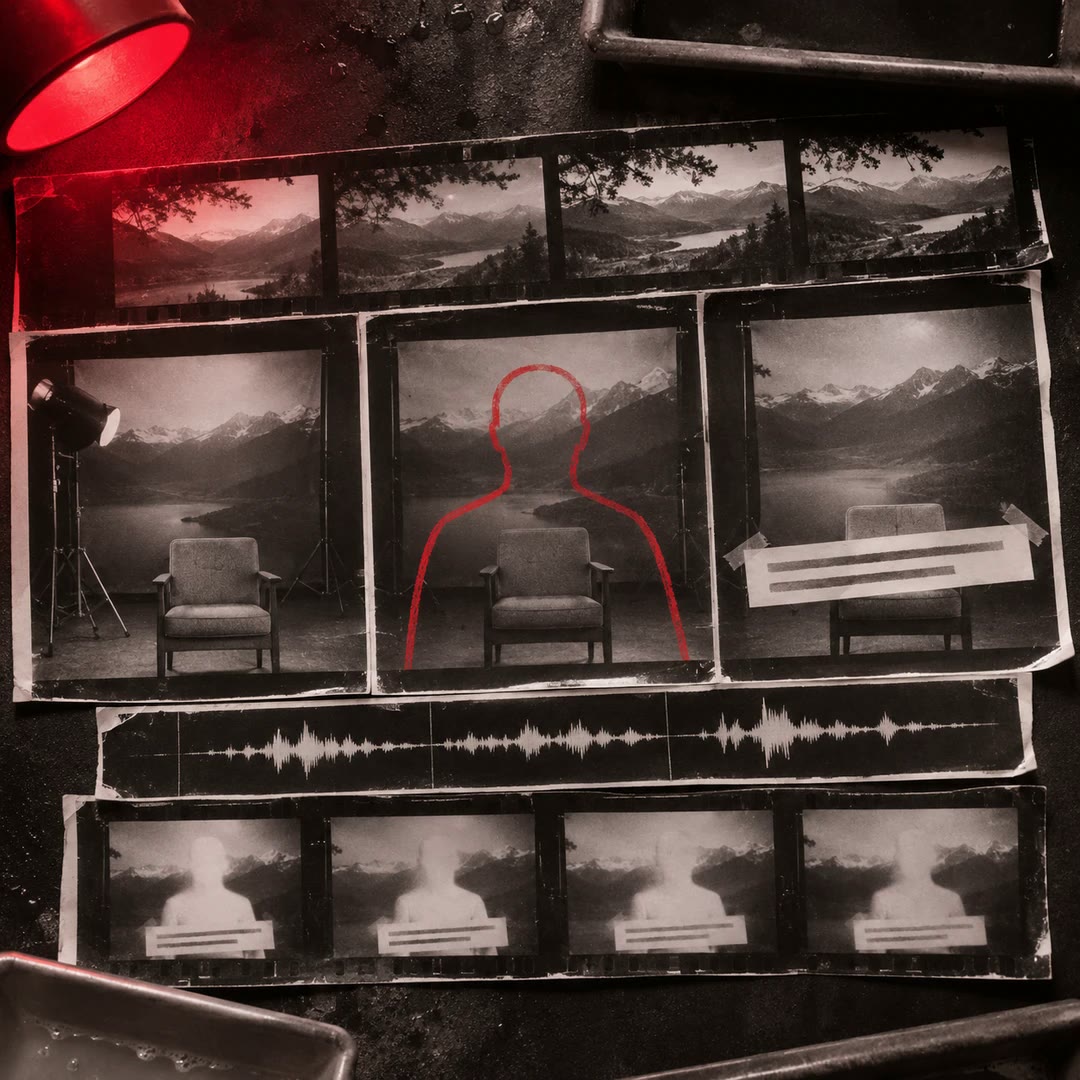
Colour grade video with AI in cut-as-code
Assess the footage, build a neutral correction, compare creative looks and export a local grade with its portable LUT.
You can colour grade video with AI in cut-as-code while keeping the basic correction separate from the creative treatment. The video-color-grade skill examines the source before proposing looks. For an outdoor interview, a slightly cool background might be deliberate, while a green cast on the presenter’s face is a reason to revisit white balance.
Compare alternatives on the same shot so the subject and lighting stay constant. Then inspect moving excerpts from two different parts of the cut. A warm appearance that works in shade may become too saturated when the camera turns towards sunlight. Once the treatment is chosen, the project records the selection and can produce a graded video or a portable cube LUT.
What it does
- Assess exposure and white balance on the original footage.
- Create a neutral base shared by candidate looks.
- Compare multiple looks on a labelled frame sheet.
- Check faces and detailed highlights in moving excerpts.
- Save a selected LUT and retain the original audio in the render.
Install and use
- Prepare FFmpeg, FFprobe, Python, NumPy and Pillow. The comparison helpers expect Windows Arial paths; configure a licensed local font in the helper on another system.
- Ask, “Correct the green cast on our interview, then compare a neutral and gently warm version before rendering the whole film.”
- Watch both bright and shaded portions, approve the chosen look and inspect the resulting file.
FAQ
Source
Made by WhiteTowerAI. Original skill: video-color-grade, published on GitHub under the MIT licence.
View on GitHubRelated products
- SkillNew
Edit English and Thai demo videos with AI
Prepare editable FCP7 XML timelines and English/Thai caption images from your footage, then finish and export in your video editor.
Free - SkillNew
Prepare Amazon videos with AI
Inspect a video for its selected Amazon placement, review evidence frames and reports, and deliberately export a corrected MP4 when useful.
Free - SkillNew
Compose a talking-head video with AI
Combine prepared landscape footage, subject masking, timed text and premixed audio into a reviewed talking-head export.
Free