Plan a film story with AI
Use an existing script breakdown to build a creative brief, an ordered story plan and continuity notes. Each turning point stays tied to the underlying scene.
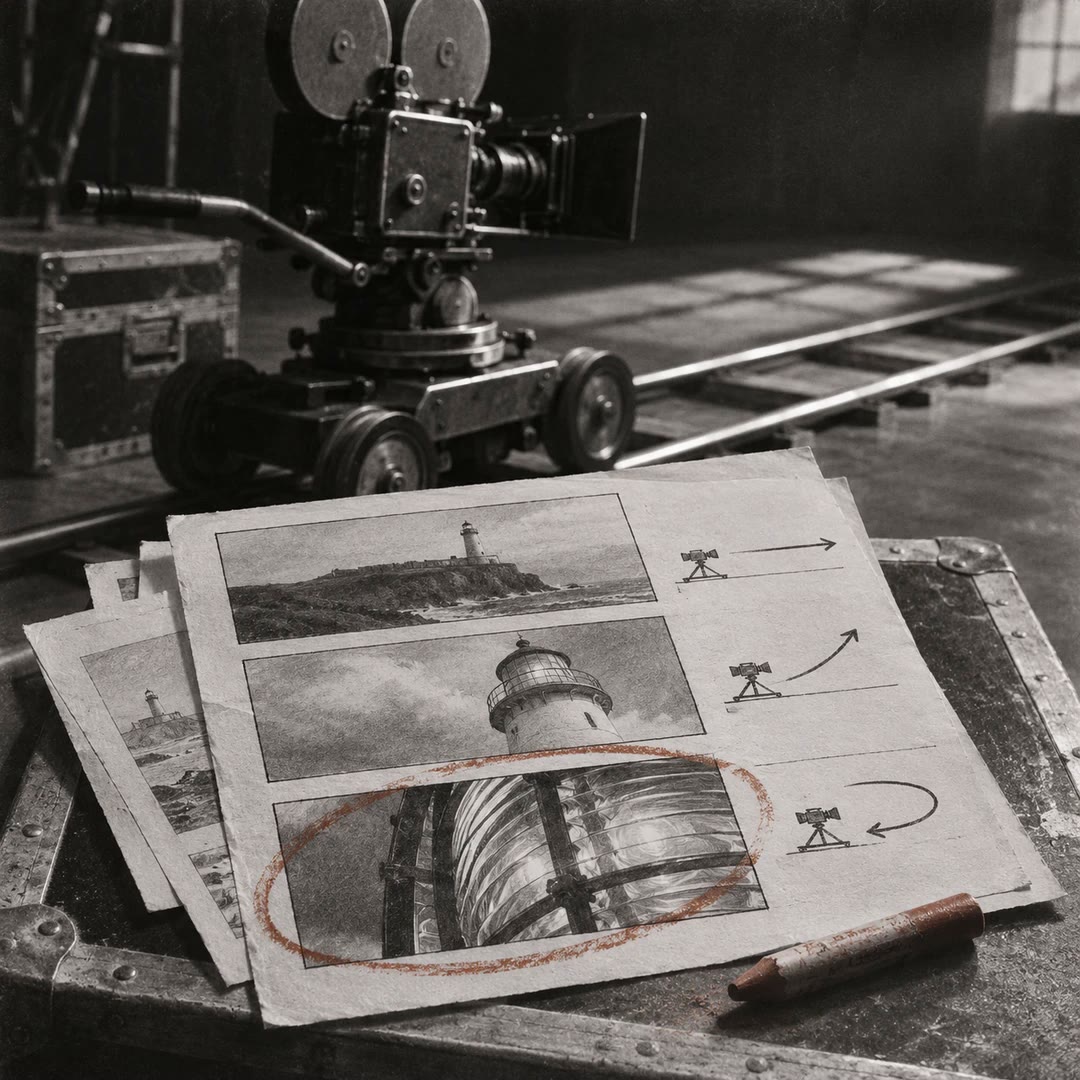
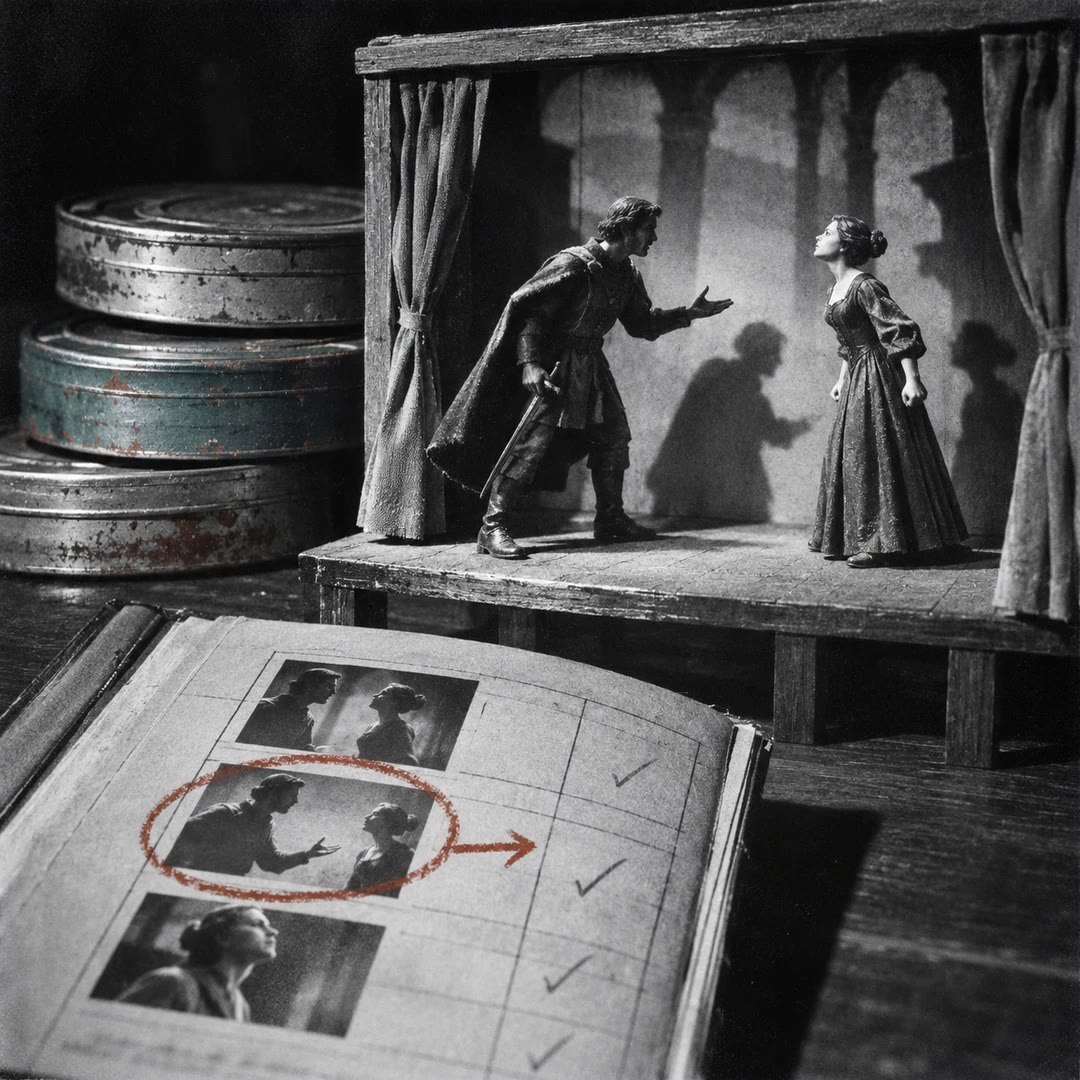
To plan a film story with AI, bring the scene breakdown to the table before anyone starts naming acts. A shift in a character’s aim might occupy an entire sequence or a single reply. A planning board is more useful when the cells reflect those changes at their actual points in the script.
The shape-story-blueprint skill connects each narrative turn to an existing scene, unit or beat. It also records the origin of choices about format, tone and audience. An unconfirmed visual suggestion can stay on the board without being mistaken for an approved production decision.
What it does
- Identify the change in objective that makes a sequence worth a place on the board.
- Record the agreed audience and aspect ratio in a creative brief.
- Build a board with the dimensions the team wants for its workshop.
- Track a continuity decision from one narrative node to the next.
- Hand the next planner a list of unresolved choices alongside the evidence already accepted.
Install and use
- Install the skill, supply a structured screenplay breakdown and keep the matching shared schemas if you need to validate the handoff.
- Ask, “Map the moments where the lead changes direction. Show what happened just before and after each one.”
- Review the open questions with the director, then pass the accepted choices and continuity notes to the next production stage.
FAQ
Source
Made by zhangzhangco. Original skill: shape-story-blueprint, published on GitHub under the MIT licence.
View on GitHubRelated products
- SkillNew
Write Veo prompts with an agent
Turn a video idea into a shot list, clear camera directions and editable prompts, with reference roles and revision choices defined before generation.
Free - SkillNew
Micro-drama writing with AI
Develop an authorised story into episodes, dialogue and a production continuity record.
Free - SkillNew
Storyboard a reel with AI
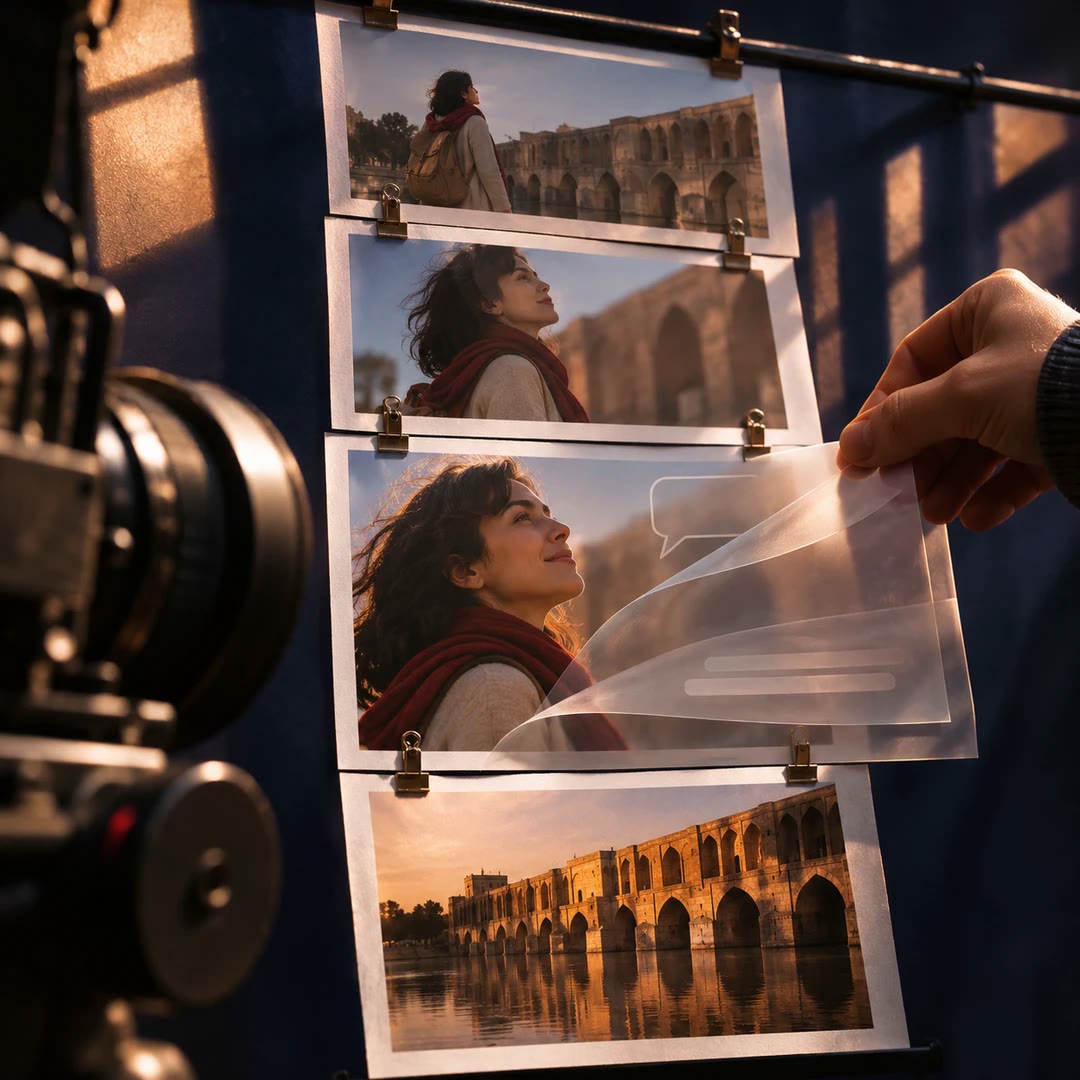
Agree the still frames of a vertical video before paying for new motion. Keep dialogue, captions and performance on separate layers and check the encoded delivery file.
Free