Design a store returns process with AI
Keep the customer’s request, inspection, refund and stock movement traceable without rewriting the original order.
Design a store returns process with AI when one order may contain several items but only one is coming back. The returns-and-refunds skill helps an agent model a separate return record, connect it to the affected order lines and keep its financial and inventory effects distinct.
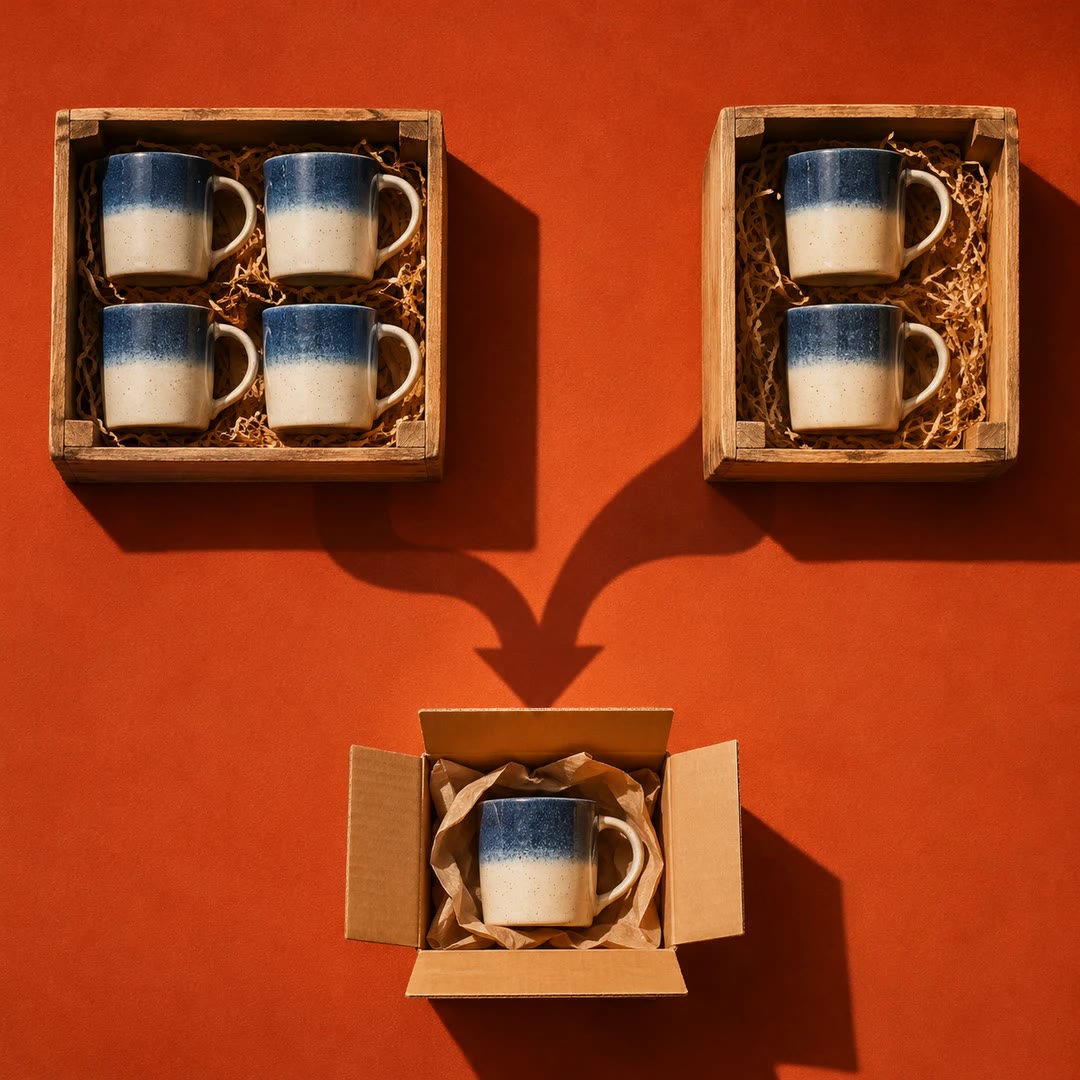
A buyer returns one mug from a set of three. The remaining two are still paid for. The returned mug may qualify for a refund under the store’s policy but arrive broken, so it must not be put on sale again. Tracking the request, inspection and refund as different facts makes both outcomes possible.
What it does
- Record the item, quantity, reason and requested resolution.
- Calculate the refundable balance after any earlier refunds.
- Handle a partial return without marking the whole order unpaid.
- Separate an exchange or store credit from a cash refund.
- Restock only units that pass the required inspection.
Install and use
- Give an agent the approved returns policy and an authorised test order. Real stock movements and payment refunds require separate operator authority.
- Ask it to model a single returned line, including an example in which the unit arrives damaged.
- Verify the order balance and sellable stock after each step in staging.
FAQ
Source
Made by Naser Sadrmanesh. Original skill: returns-and-refunds, published on GitHub under the MIT licence.
View on GitHubRelated products
- SkillNew
Design subscription billing with AI
Model renewals, invoices, failed payments and cancellation timing without treating each billing period as a new checkout.
Free - SkillNew
Manage multi-warehouse inventory with AI
Separate physical stock from reservations and test how a store should allocate an order across available locations.
Free - SkillNew
Migrate a product catalogue with AI
Map catalogue fields, test a small import and give each sellable unit a stable identity before writing to a new store.
Free