Write a museum audio guide with AI
Adapt exhibition labels for listening, choose what a visitor should notice and keep uncertain readings separate from the narration.
To write a museum audio guide with AI, pick one object and decide what someone could notice without moving from their spot. A painted line might continue around the rim of a bowl. It gives the listener a place to look while you introduce what the collection record says about the decoration. The museum-audio-guide-transformer skill helps build that sequence from a label, a photograph or a curator’s notes.
A short recording has limited room for dates and competing interpretations. Ask for a timed draft with separate production notes, so the editor can see what was left out and why. Exact running time still needs a spoken reading.
What it does
- Adapt a dense wall label into a stop for a general visitor.
- Distinguish visible evidence from uncertain text in a photograph.
- Describe an object for someone who cannot see its fine detail.
- Write a dialogue in which two voices take different parts.
- Prepare plain narration or markup suited to a specified speech engine.
Install and use
- Install the skill in a compatible agent. Use image support for photographs. No speech-service account is required to draft text.
- Provide your authorised notes and ask, “Write a short English stop for a first visit, beginning with the object’s shape.”
- Check pronunciations with the museum, rehearse at a natural pace and keep production directions out of the spoken script.
FAQ
Source
Made by junhao-ye. Original skill: museum-audio-guide-transformer, published on GitHub under the MIT licence.
View on GitHubRelated products
- SkillNew
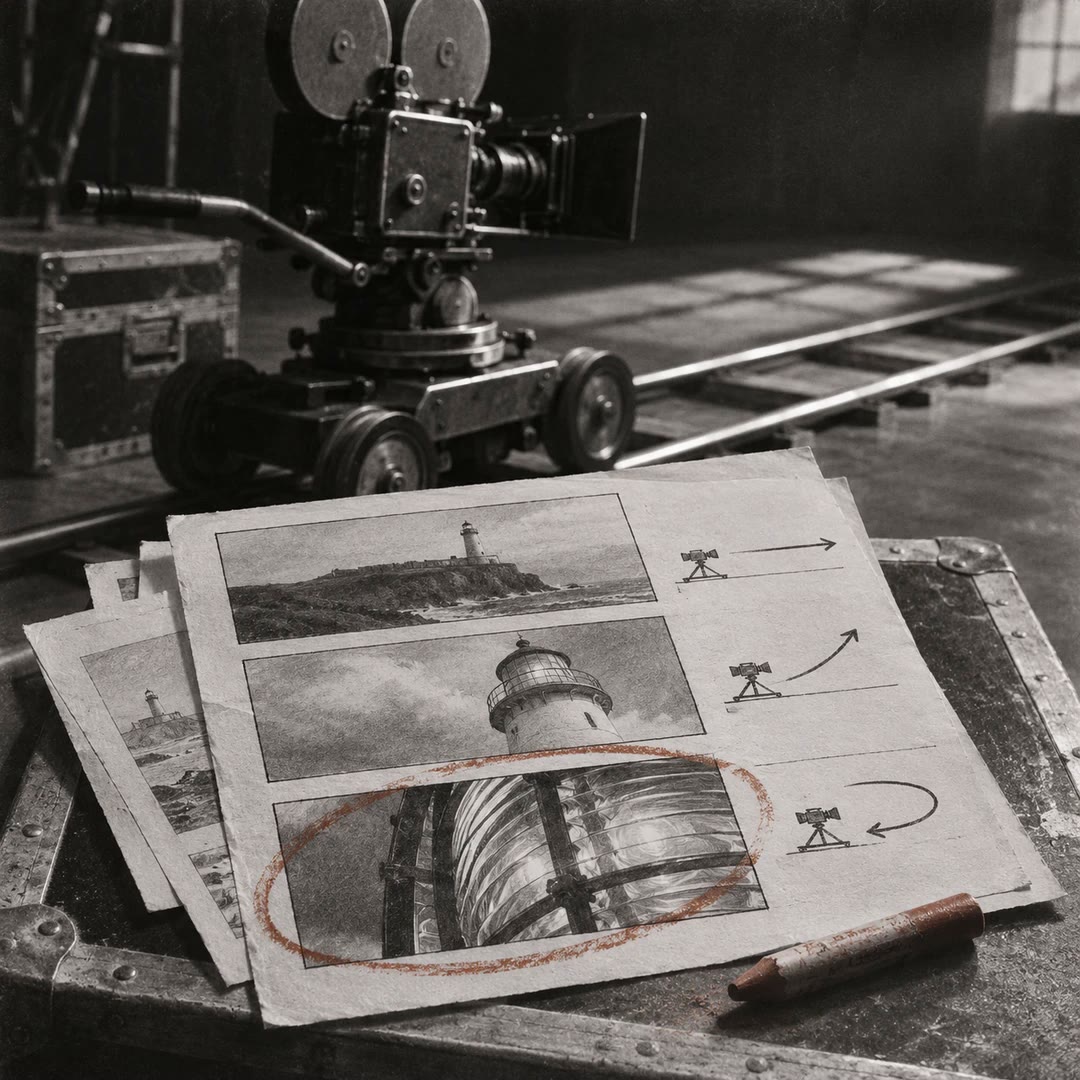
Write Veo prompts with an agent
Turn a video idea into a shot list, clear camera directions and editable prompts, with reference roles and revision choices defined before generation.
Free - SkillNew
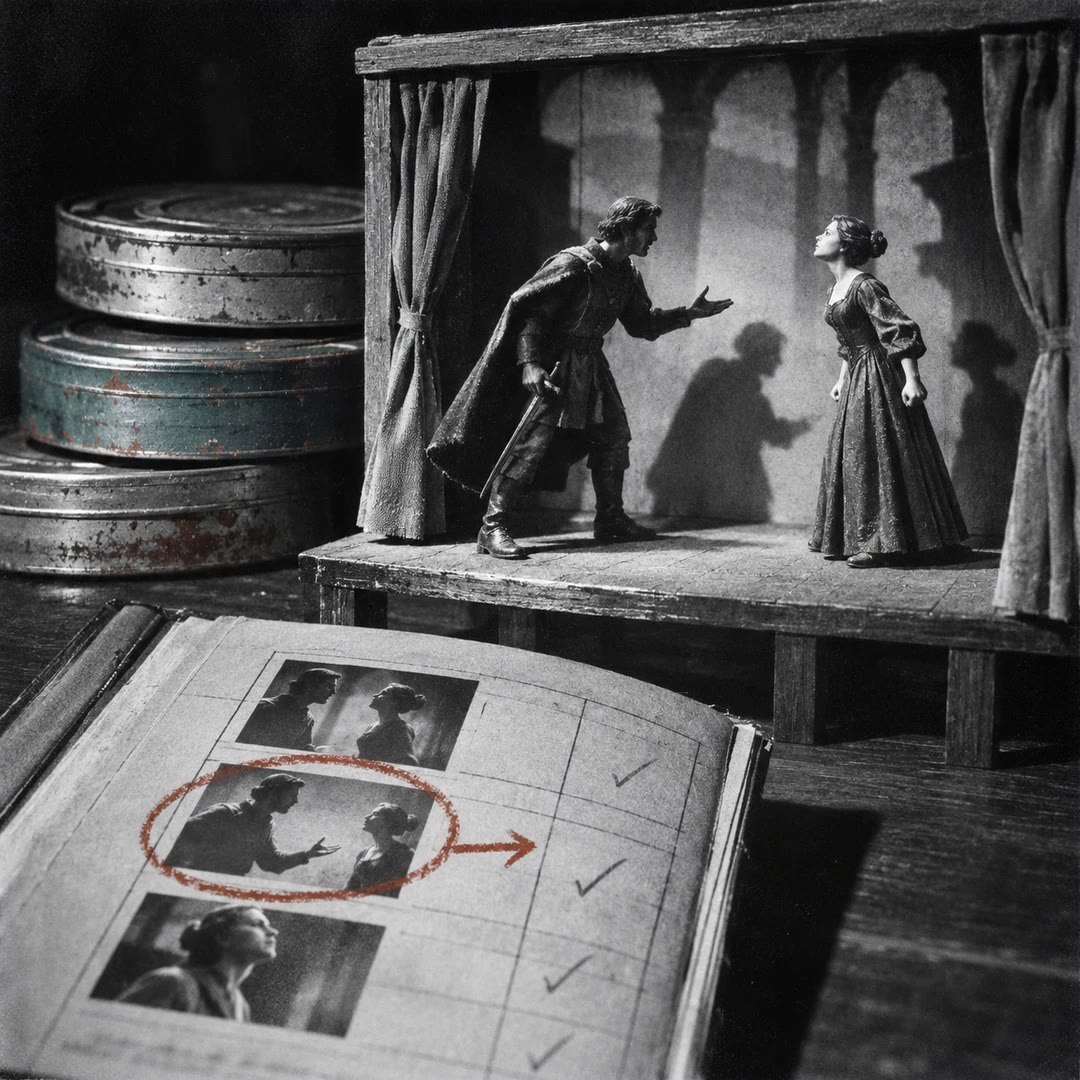
Micro-drama writing with AI
Develop an authorised story into episodes, dialogue and a production continuity record.
Free - SkillNew
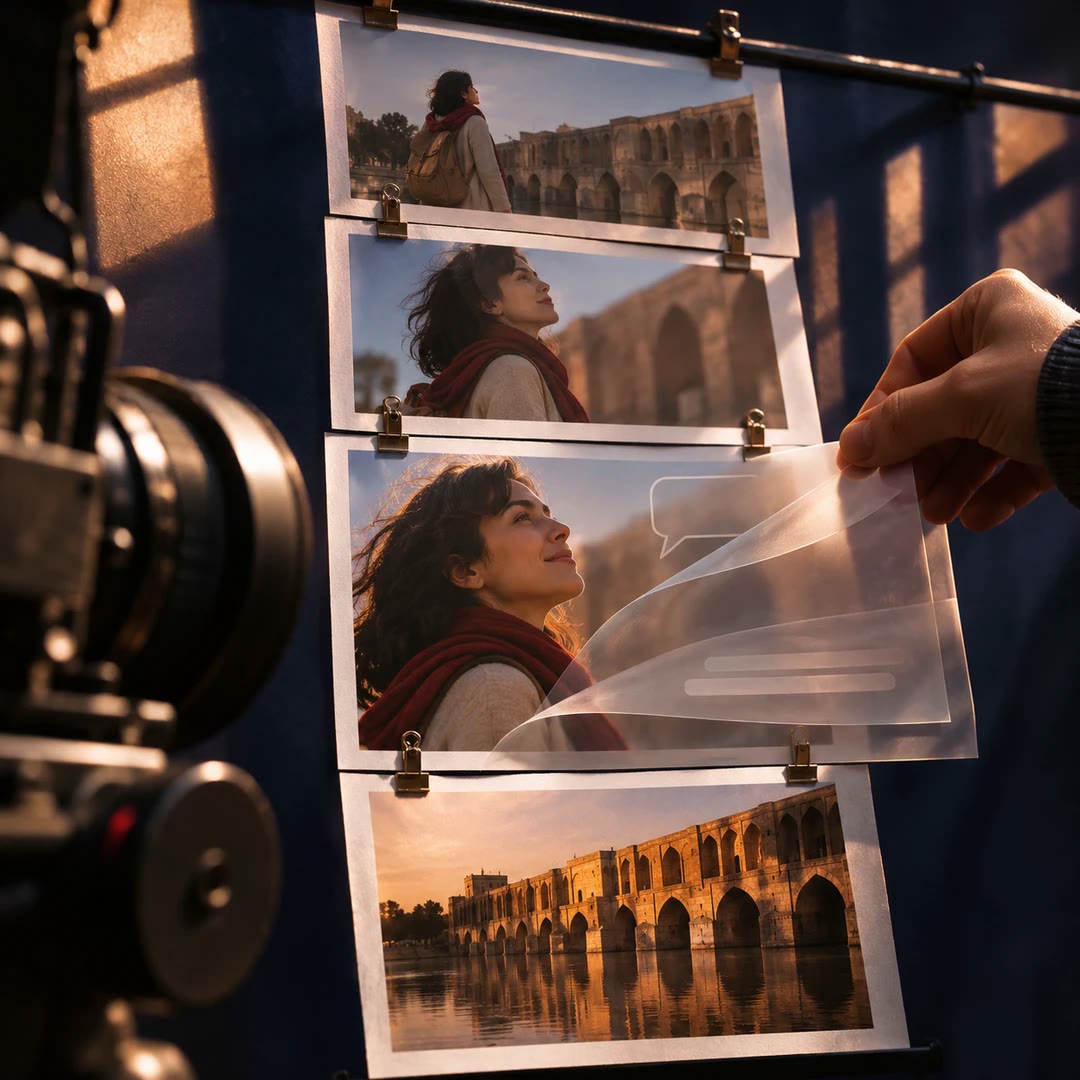
Storyboard a reel with AI
Agree the still frames of a vertical video before paying for new motion. Keep dialogue, captions and performance on separate layers and check the encoded delivery file.
Free