Plan dialogue blocking with AI
Keep the spoken lines and decide what the actors do around them. Build a staging note from each character’s objective, gaze and reaction.
When you plan dialogue blocking with AI, start with a line that can mean more than one thing. Someone saying “Of course” might be agreeing, stalling or trying to end the conversation. The dialogue-performance-blocking guide turns the intended meaning into actions an actor can try while keeping the words intact.
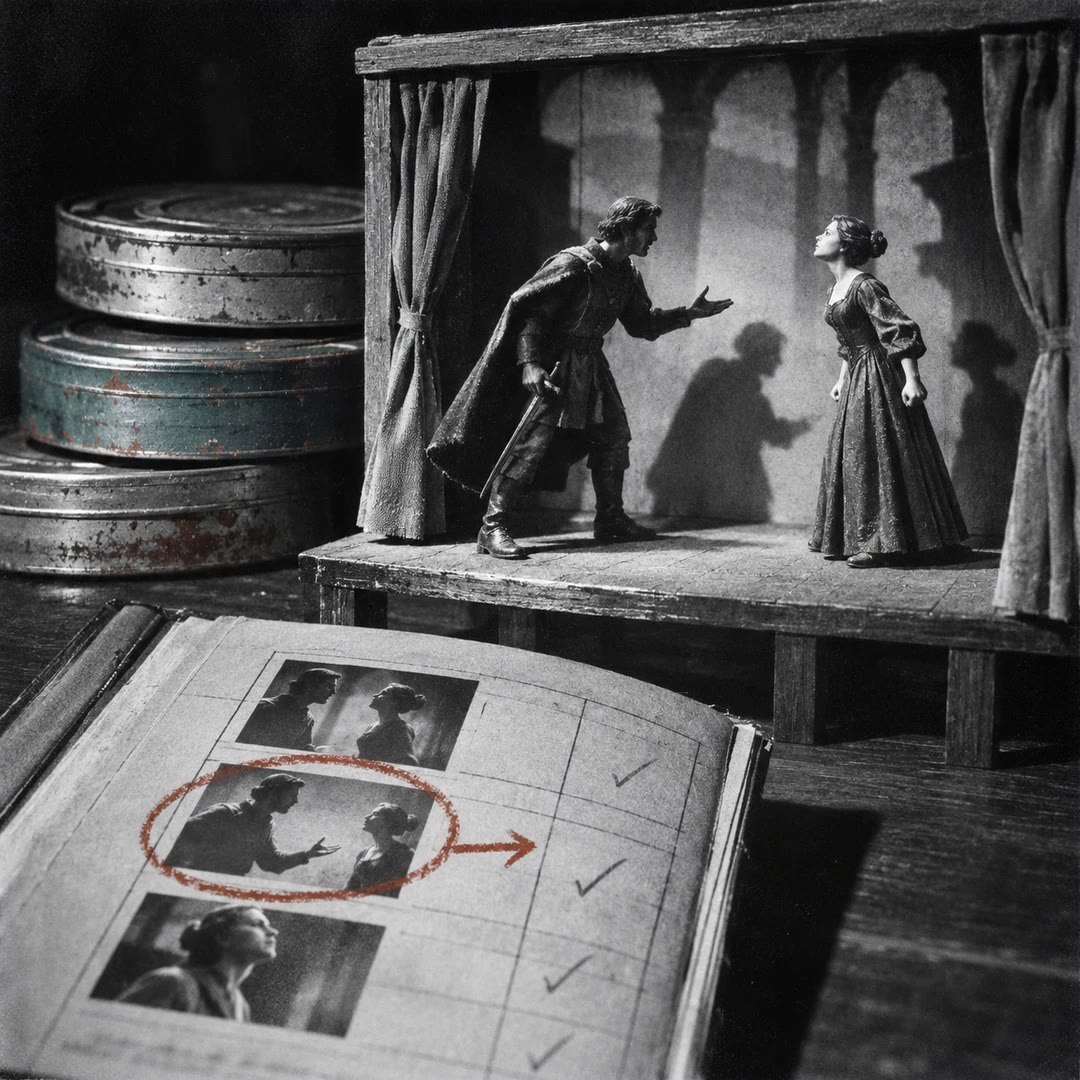
Ask for the listener’s behaviour as well as the speaker’s. A glance at the door can mark a change in the relationship before either person names it. By letting movement follow a change of intention, the staging note can also suggest when a closer frame would help.
What it does
- Identify what each character wants from one exchange.
- Place a pause at the point where an answer changes the stakes.
- Give the listener a silent response that reads on camera.
- Match a spoken line to breath, posture and facial movement.
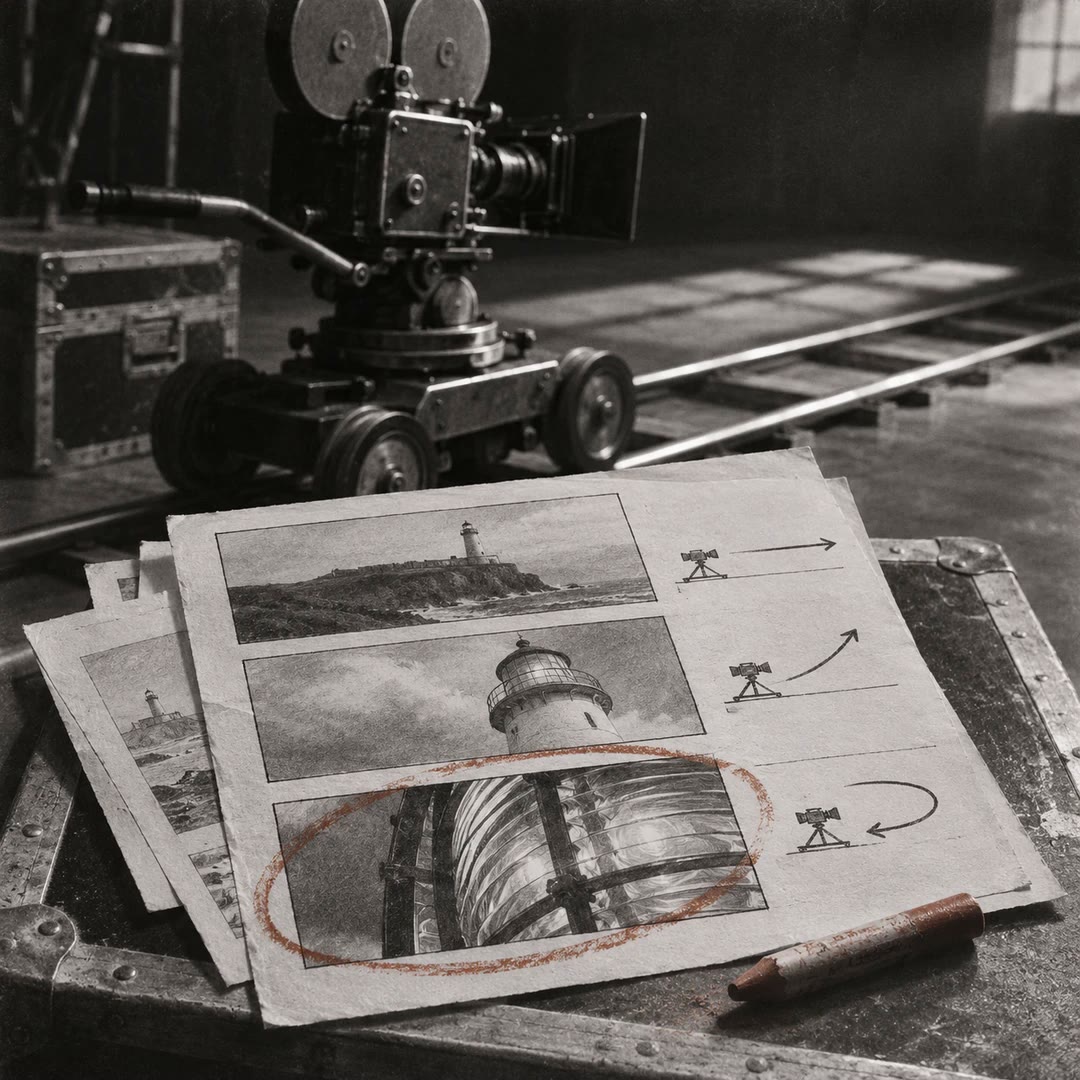
- Adjust camera proximity as the conversation becomes more intimate.
Install and use
- Install the skill in your agent. The written staging plan needs no camera, recording or video service.
- Try “Keep these lines about returning a key. Give me one playable reaction for the listener and explain when to move closer.”
- Read the scene aloud and try the movement at the same time. Revise any cue that crowds the line.
FAQ
Source
Made by NolanX. Original skill: dialogue-performance-blocking, published on GitHub under the MIT licence.
View on GitHubRelated products
- SkillNew
Write Veo prompts with an agent
Turn a video idea into a shot list, clear camera directions and editable prompts, with reference roles and revision choices defined before generation.
Free - SkillNew
Micro-drama writing with AI
Develop an authorised story into episodes, dialogue and a production continuity record.
Free - SkillNew
Storyboard a reel with AI
Agree the still frames of a vertical video before paying for new motion. Keep dialogue, captions and performance on separate layers and check the encoded delivery file.
Free