Outline a film story with AI
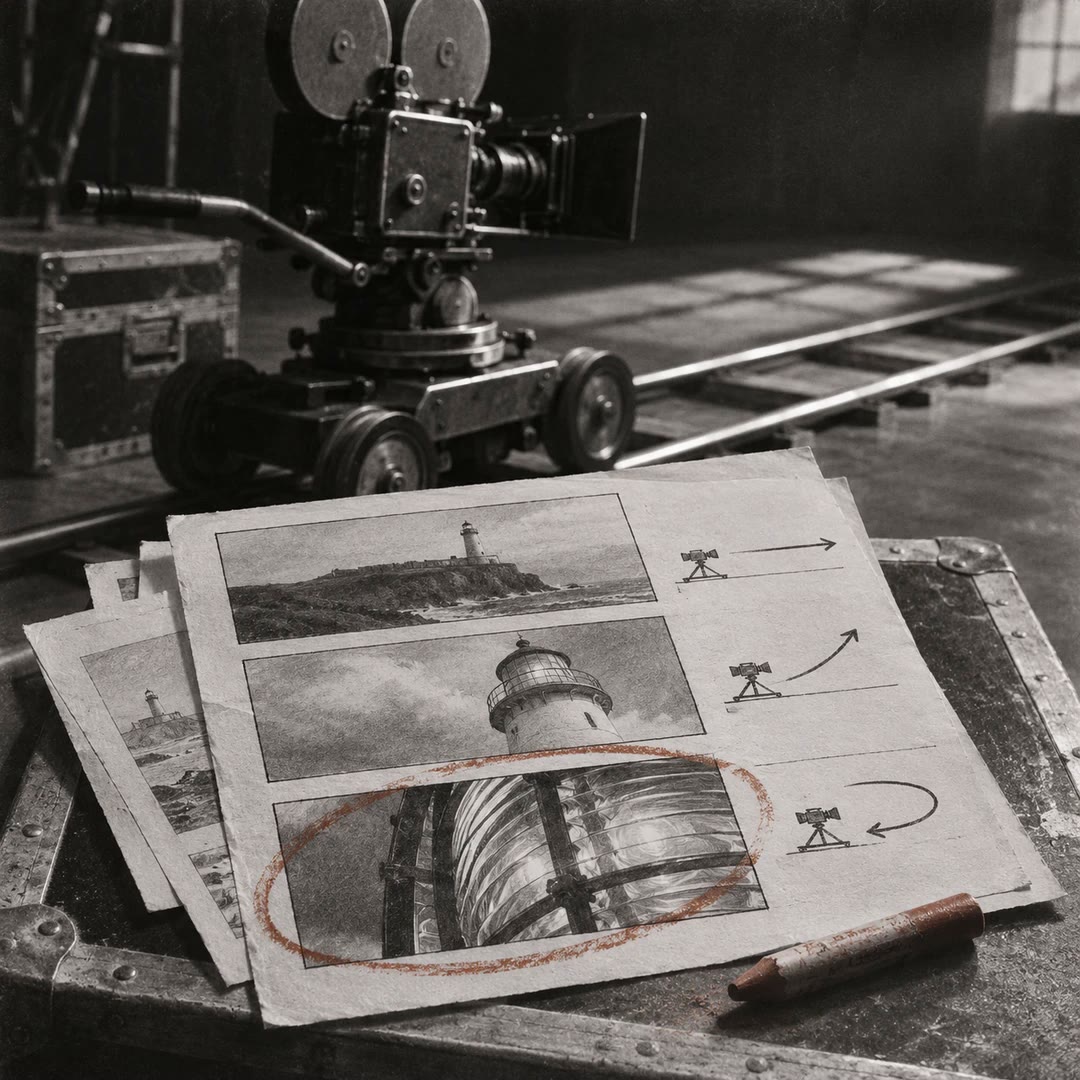
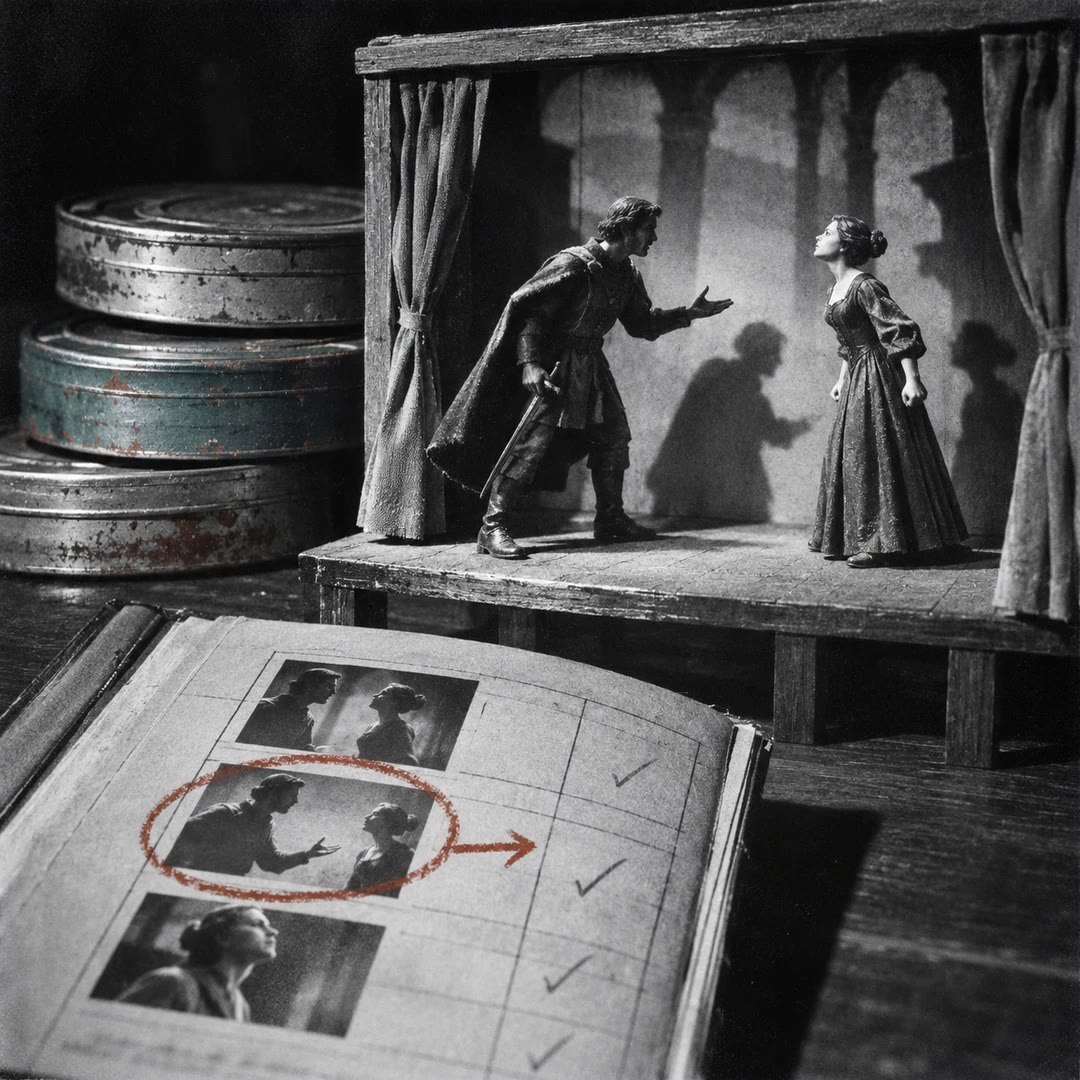
Break an idea into a short sequence of playable beats. Give each moment a visible action, an emotional change and a reason for the camera to be there.
Outline a film story with AI when a premise has promise but little that an actor can actually play. The cinematic-story-architecture guide turns the central desire and conflict into a sequence of beats. Each one identifies an action, a change in feeling and something the audience can discover on screen.
Take a stalled lift and two strangers who need to reach different floors. A useful beat might be the moment one stops pressing the alarm and listens to the other. A close view of the still hand can do more work than a line explaining the change of heart. Your outline can give the director that choice before anyone draws a frame.
What it does
- Set an opening event that puts the scene under pressure.
- Mark where new information changes the audience’s understanding.
- Plan a visual reveal alongside an emotional turn.
- Decide whether speech or silence moves the scene forward.
- Carry a consistent format and recurring world details into the storyboard.
Install and use
- Add the skill to your agent and supply a premise, approximate duration and intended format.
- Ask, “Break this lift scene into five beats and explain why the camera changes position at the turning point.”
- Read the beats aloud and revise any moment that adds neither action nor information.
FAQ
Source
Made by NolanX. Original skill: cinematic-story-architecture, published on GitHub under the MIT licence.
View on GitHubRelated products
- SkillNew
Write Veo prompts with an agent
Turn a video idea into a shot list, clear camera directions and editable prompts, with reference roles and revision choices defined before generation.
Free - SkillNew
Micro-drama writing with AI
Develop an authorised story into episodes, dialogue and a production continuity record.
Free - SkillNew
Storyboard a reel with AI
Agree the still frames of a vertical video before paying for new motion. Keep dialogue, captions and performance on separate layers and check the encoded delivery file.
Free