Trace downstream data dependencies with AI
Identify what reads a table or pipeline output, distinguish direct consumers from later ones and plan a change around the reports that people rely on.
To trace downstream data dependencies with AI, start with the object you intend to change. An orders table may feed an aggregate, which in turn feeds a monthly board pack. The tracing-downstream-lineage skill follows readers through Airflow definitions and warehouse metadata, building a tree of possible effects.
The investigation helps a team decide where to test first. A referenced view provides a different level of evidence from a dashboard whose name merely resembles the table. Marking those distinctions keeps a tentative connection from turning into a false promise of complete coverage.
What it does
- Find Airflow jobs that select from or join the target table.
- Identify warehouse views that depend on the source.
- Follow consumers through intermediate tables to later reports.
- Separate critical production dependencies from lower-impact uses.
- Suggest a migration sequence for the confirmed consumers.
Install and use
- Install the skill and provide authorised access to Airflow DAG source through the af CLI. Warehouse metadata and available BI definitions help confirm further dependencies. Astro’s visual lineage view is optional.
- Ask, “Which reports depend on this daily inventory table, directly or indirectly? Show where you found each connection.”
- Review uncertain edges with report owners. Use the confirmed map to plan checks before changing the source.
FAQ
Source
Made by Astronomer. Original skill: tracing-downstream-lineage, published on GitHub under the Apache-2.0 licence.
View on GitHubRelated products
- SkillNew
Estimate your carbon footprint with AI
Use your own bills and receipts to build an emissions range, retain the source behind each figure and compare changes without hiding uncertainty.
Free - SkillNew
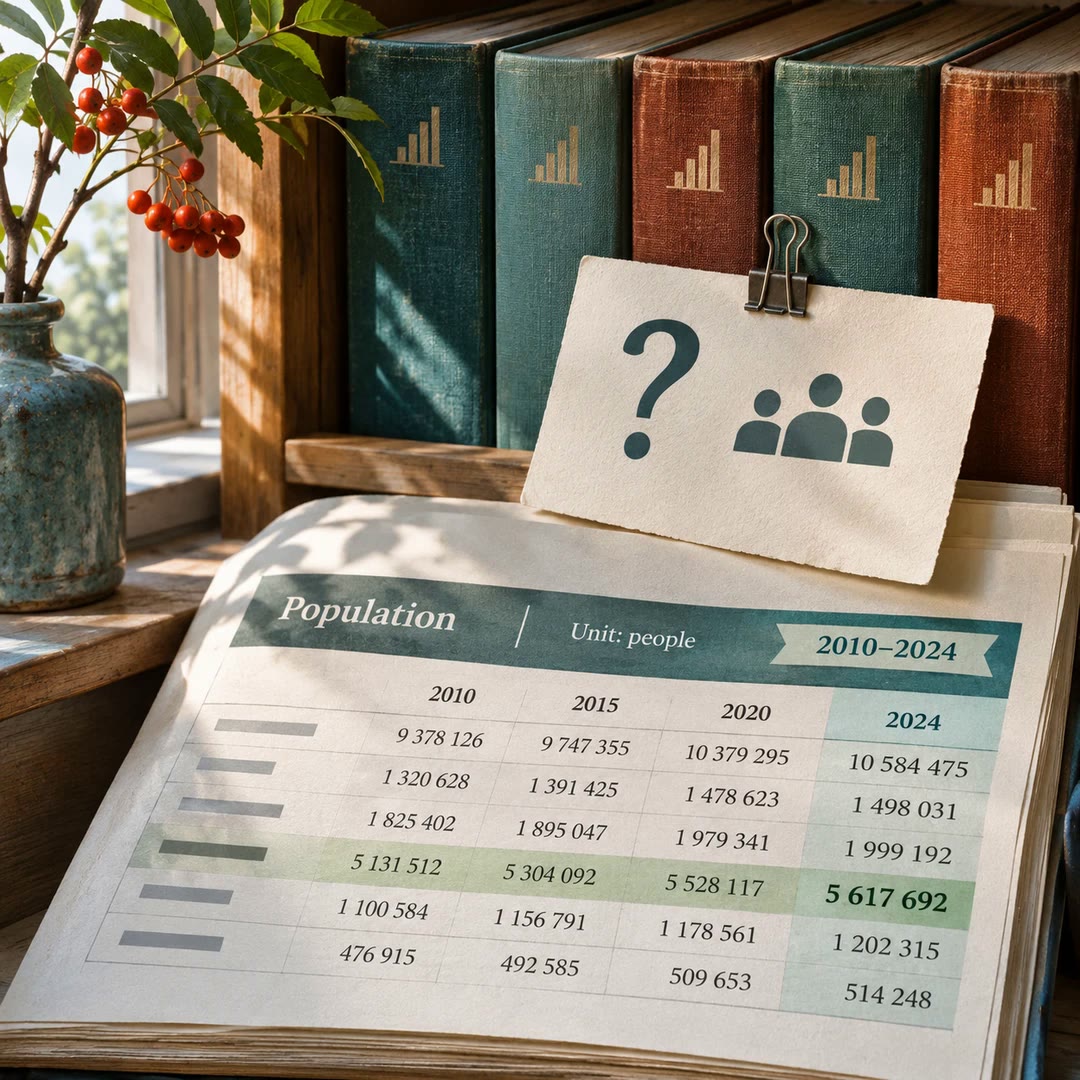
Find official statistics with AI
Ask a specific question of a PxWebApi v2 statistics service. Get the figures with the table, units and time period needed to quote them accurately.
Free - SkillNew
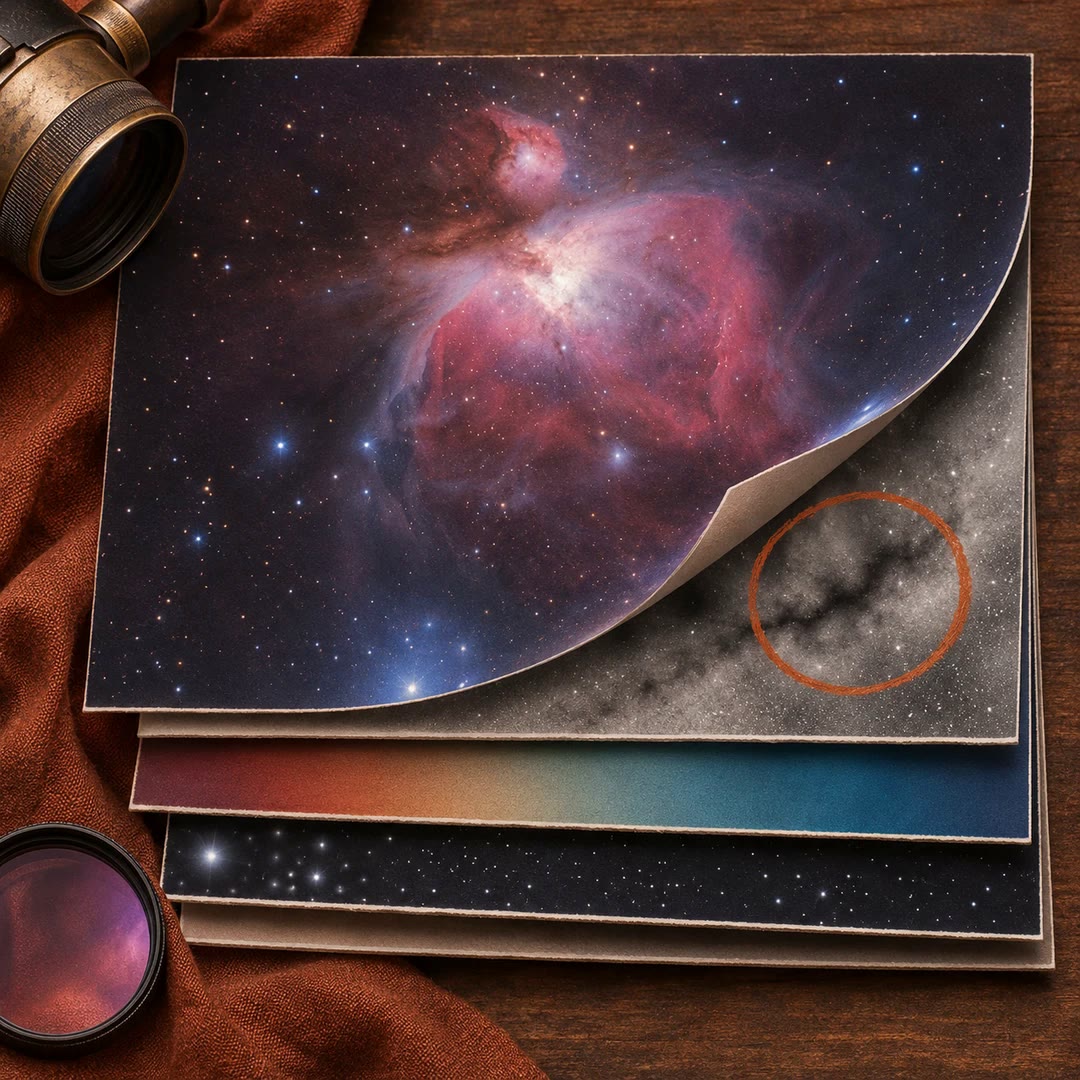
Review astrophotography data with AI
Work out which stage to revisit when a stack has dust shadows, uneven colour or stars that look different across the frame.
Free