Plan an observing night with AI
Estimate how many targets fit the available windows and check a target table before the observing session begins.
Plan an observing night with AI when a target list has grown longer than the available dark hours. With starwhisper-night-plan, the agent checks a local configuration and estimates time per target from exposure settings, filters and overhead. It can then compare the number of targets in a CSV with the capacity of the scheduled windows.
The result is a time budget. It does not predict cloud, lunar interference or the altitude of a particular object. Keep your site-specific visibility checks alongside the budget before deciding what to observe.
What it does
- Check whether the configuration has missing or inconsistent settings.
- See how an extra exposure or a different overhead changes the target count.
- Spot duplicate entries and missing coordinate columns before the session.
- Identify right ascension or declination values outside the accepted range.
- Review which documented observatory endpoints are read-only without contacting them.
Install and use
- Use a compatible agent with local Python, a supported configuration and a CSV containing target names and coordinates. No telescope connection is required.
- Ask, “Check the target table and tell me how many objects fit if I allow a longer slew between them.”
- Correct the reported rows and repeat the estimate using realistic overhead. Check the sky conditions independently.
FAQ
Source
Made by Yu-Yang Li / StarWhisper. Original skill: starwhisper-night-plan, published on GitHub under the Apache-2.0 licence.
View on GitHubRelated products
- SkillNew
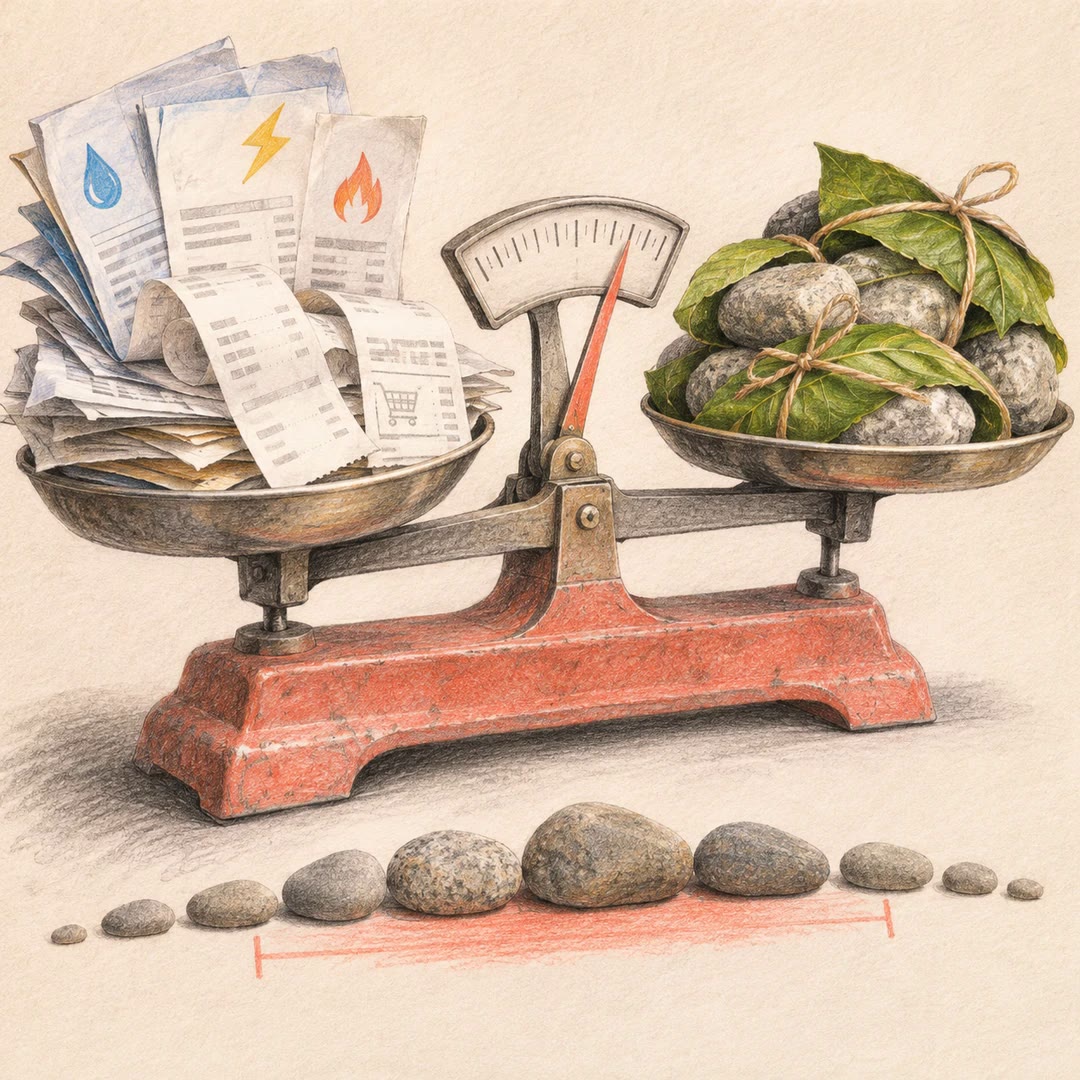
Estimate your carbon footprint with AI
Use your own bills and receipts to build an emissions range, retain the source behind each figure and compare changes without hiding uncertainty.
Free - SkillNew
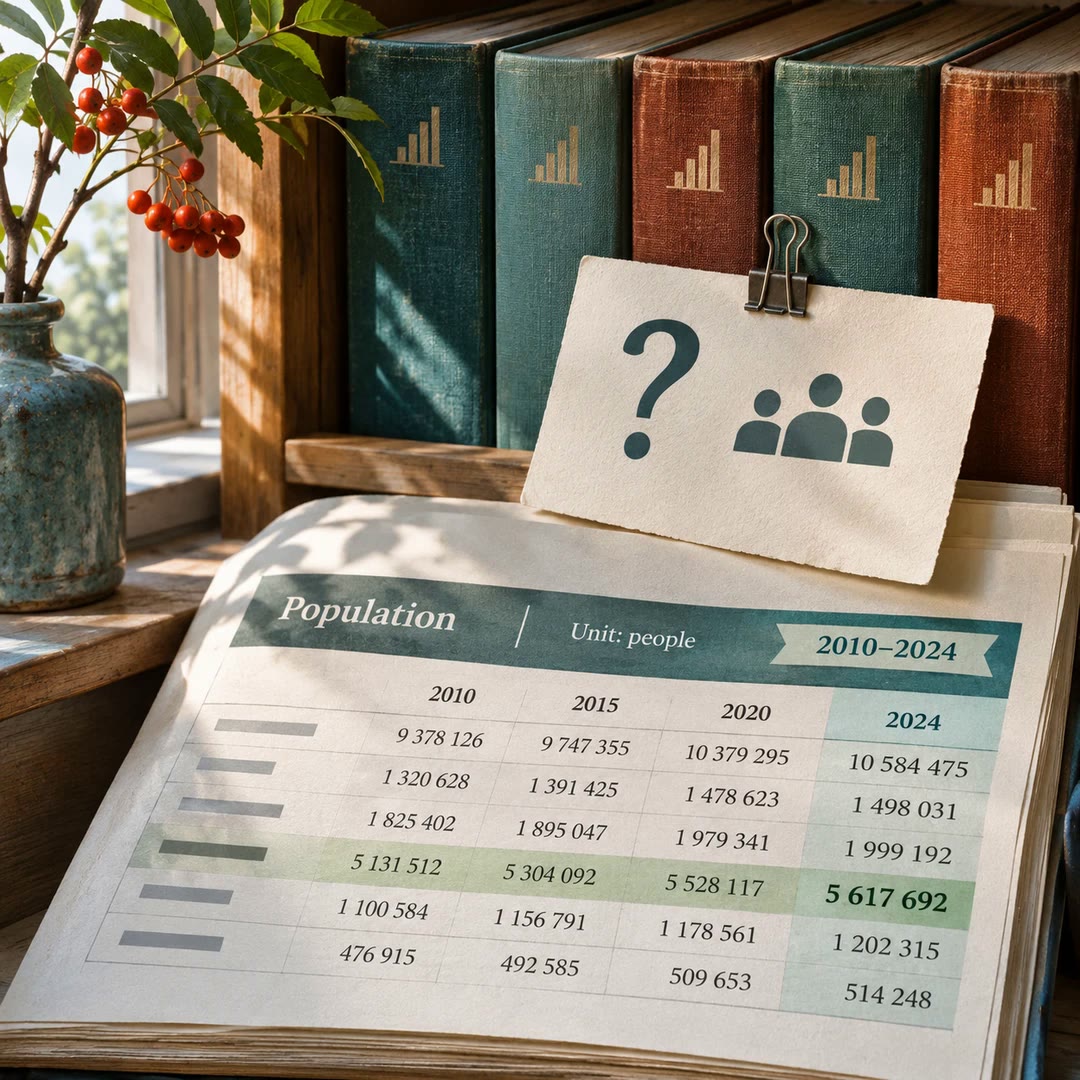
Find official statistics with AI
Ask a specific question of a PxWebApi v2 statistics service. Get the figures with the table, units and time period needed to quote them accurately.
Free - SkillNew
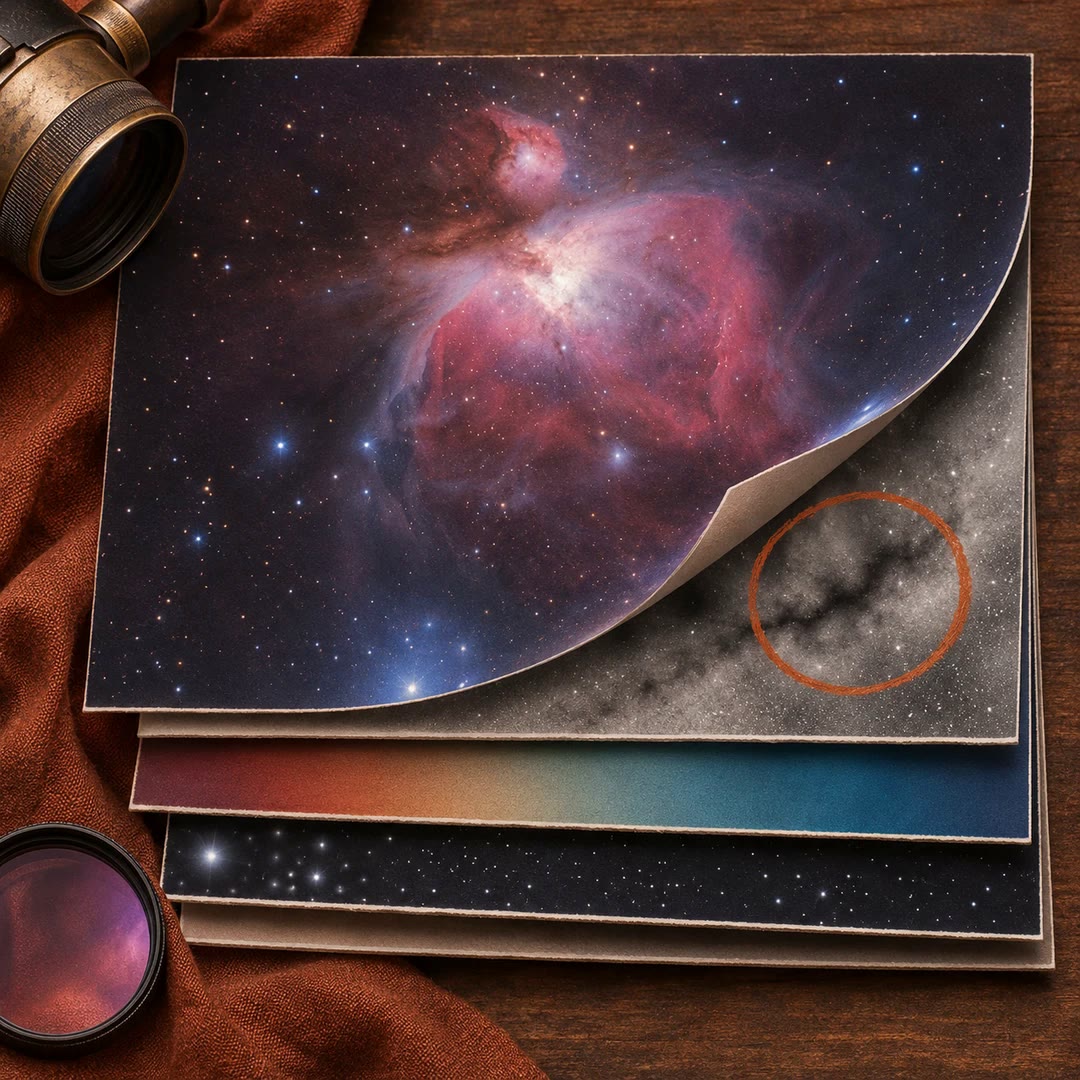
Review astrophotography data with AI
Work out which stage to revisit when a stack has dust shadows, uneven colour or stars that look different across the frame.
Free