Plan film sound effects with AI
Build a cue sheet for footsteps, objects, clothing and ambience. Give each sound a time, perspective and source before recording or searching a library.
Plan film sound effects with AI at the stage when you have an edit but few recordings. The sound-design-foley skill helps your agent translate pictures into recording and mixing decisions. A latch heard from the far side of a door needs a different treatment from the same latch in close-up.
A cue sheet can also contain silence. Under a quiet line of dialogue, you might keep the sound of the room and hold back a cup hitting the table until the words have finished. The agent can record that priority alongside the timecode, making the intention clear to the editor.
What it does
- Mark whether an event needs exact sync or can sit loosely under a shot.
- Specify the surface and distance for a set of footsteps.
- Split a sound into contact, movement and an audible tail.
- Record whether a cue will be made, sourced under licence or supplied by you.
- Flag competing sounds that may obscure speech.
Install and use
- Add the skill to your agent and supply a scene description or timecoded edit notes. No audio generator is required for the plan.
- Ask, “Spot the sounds for this workshop scene. Keep the last line audible and explain where the key hits the bench.”
- Review the cue sheet against the picture, then check the recorded or licensed sounds in the intended mix.
FAQ
Source
Made by calesthio. Original skill: sound-design-foley, published on GitHub under the MIT licence.
View on GitHubRelated products
- SkillNew
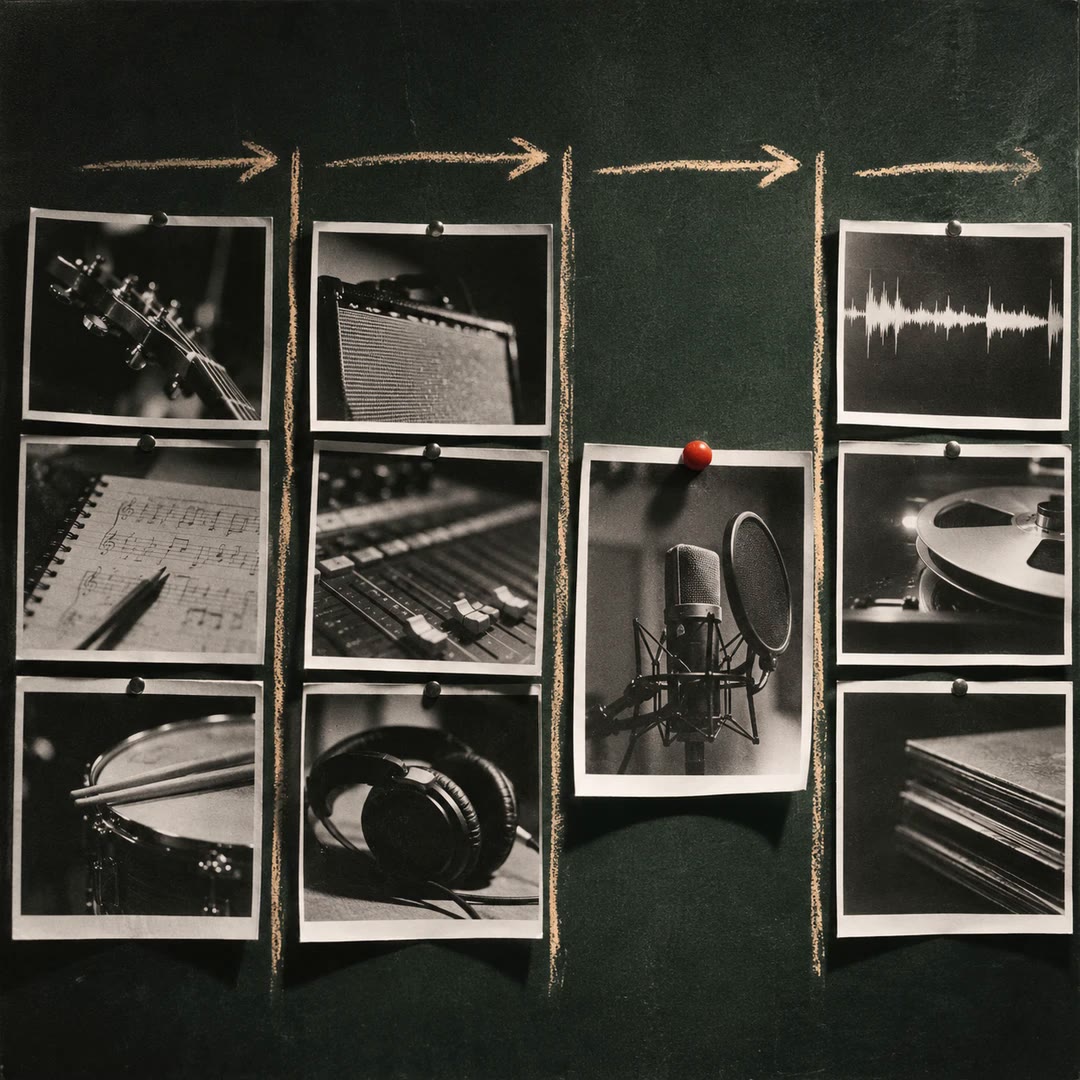
Track album progress with AI
Review track status, workflow stages and blockers in a structured text report
Free - SkillNew
Write music prompts with AI
Shape a musical brief into a prompt for the chosen generator, placing style, lyrics and section cues in the appropriate fields.
Free - SkillNew
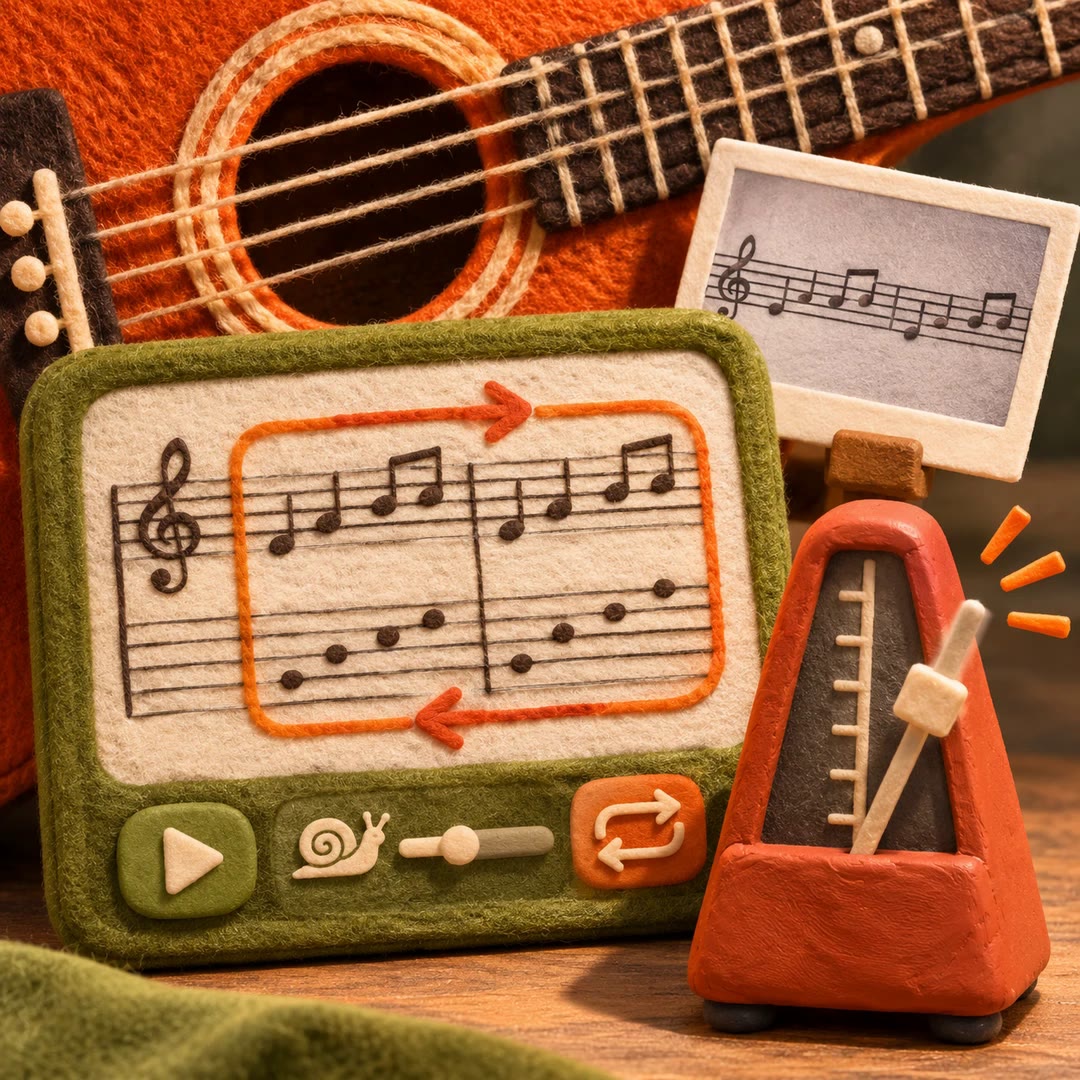
Practise guitar tabs with AI
Turn a guitar score into an interactive practice page with slower playback, selected-bar loops and a source image for checking the transcription.
Free