Check score rhythm with AI
Inspect bar lengths, gaps and overlaps in structured notation, then distinguish an arithmetic pass from comparison with the score and actual playback.
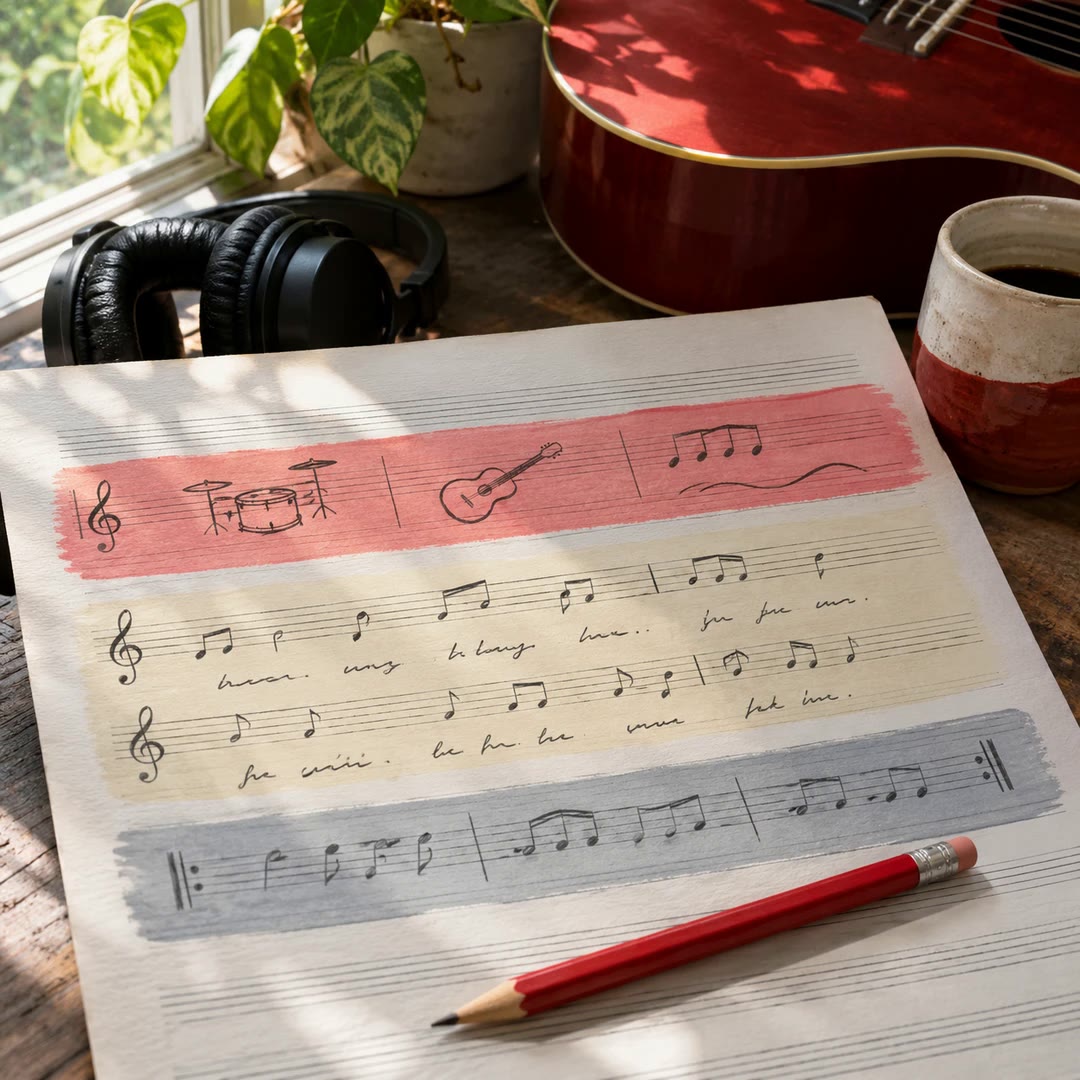
Check score rhythm with AI before treating a digital transcription as reliable. The score-rhythm-audit skill examines note timing with exact fractions, looking for gaps, overlaps and incompatible durations within individual voices. This gives you a structural report without hiding small differences behind rounded numbers.
Correct arithmetic does not establish faithful transcription. A complete bar can still contain a misread rest, dotted note, tie or repeat. The workflow therefore separates timing checks, comparison with the source and listening to playback. An optional structured reference is useful only when it has been prepared and reviewed independently of the output being checked.
What it does
- Locate gaps within a bar
- Find overlapping events in one voice
- Check bar duration with exact arithmetic
- Compare rests and durations with the source
- Separate structural and listening results
- List issues before editing the notation
Install and use
- Install the skill in your agent. Computational checks need Python and score data in the expected structured format. Supply the original score or image for visual comparison; no dedicated account is required.
- State the task: “Audit this passage’s rhythm. Report gaps and overlaps for each voice, and identify which conclusions come only from arithmetic.”
- Compare findings with the source. Inspect beams, dots, rests, tuplets, ties and repeats rather than assuming a numerically complete bar is correct.
- Repeat the structural check after corrections and listen separately. Keep any unverified source details explicit in the final report so that the conclusion reflects the evidence actually inspected.
FAQ
Source
Made by elfgzp. Original skill: score-rhythm-audit, published on GitHub under the MIT licence.
View on GitHubRelated products
- SkillNew
Track album progress with AI
Review track status, workflow stages and blockers in a structured text report
Free - SkillNew
Write music prompts with AI
Shape a musical brief into a prompt for the chosen generator, placing style, lyrics and section cues in the appropriate fields.
Free - SkillNew
Practise guitar tabs with AI
Turn a guitar score into an interactive practice page with slower playback, selected-bar loops and a source image for checking the transcription.
Free