Track product requirements with AI
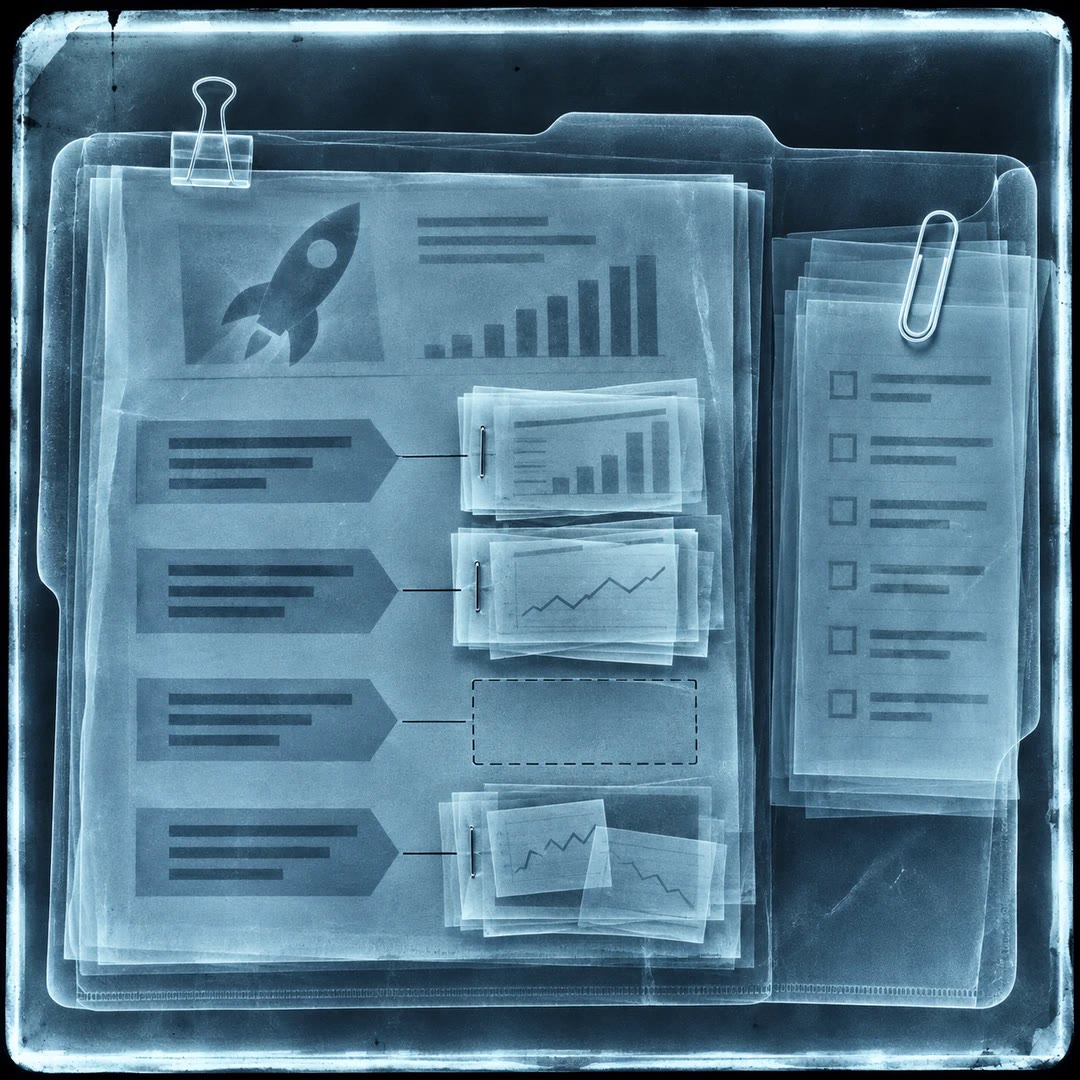
Trace a request from its original evidence to the agreed requirement. Keep revisions, approvals and test findings tied to the right product record.
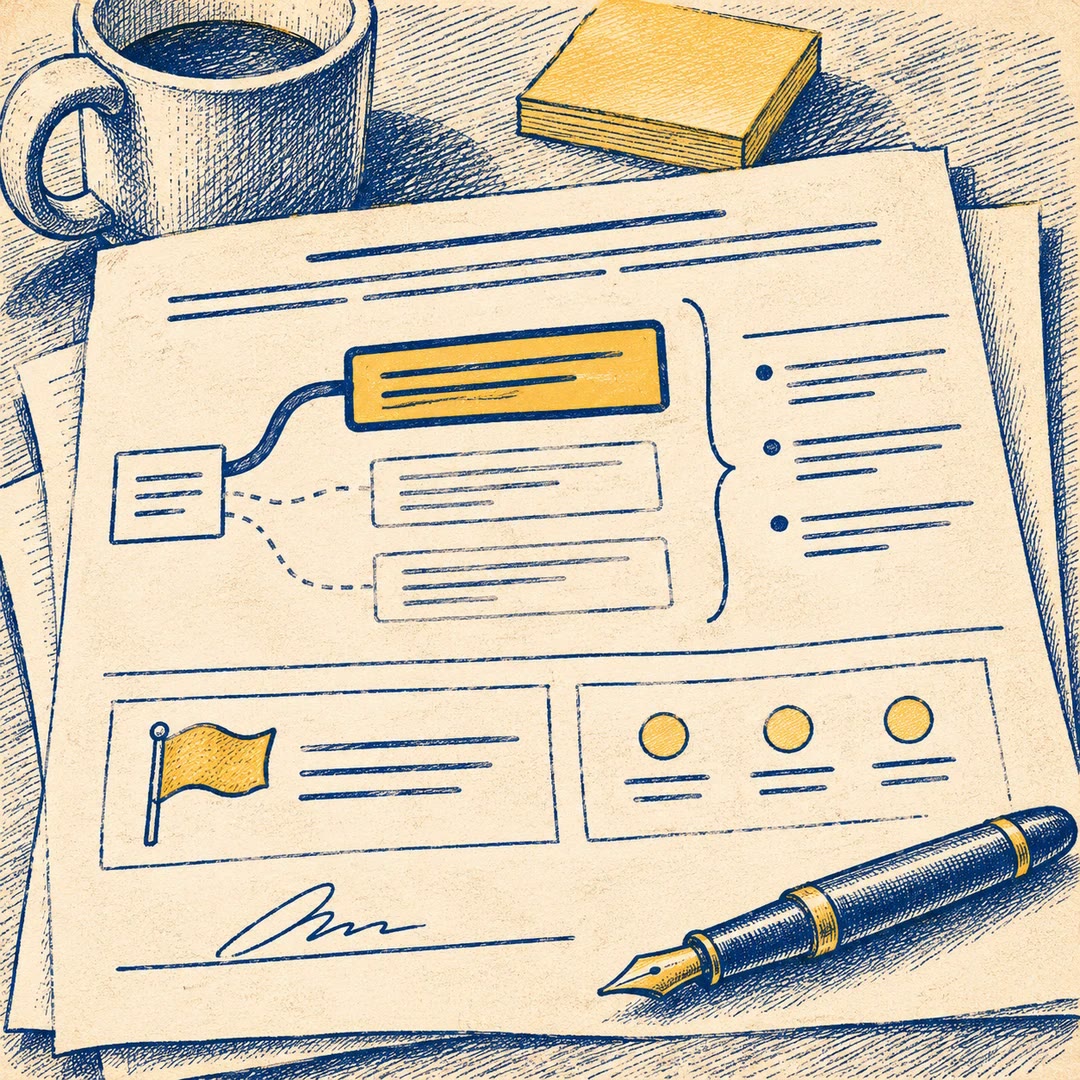
Track product requirements with AI when the words in the meeting notes have quietly become a promise in the release plan. A customer might ask for a searchable archive while the team has approved only a date filter. The product-evolution skill helps you keep both statements, record their sources and show which one governs the next release.
You can start with a single requirement. The agent maps it to existing records for discovery, delivery and review, preserving a stable identifier as the wording changes. A draft does not become an approved requirement simply because it appears in a recent document. Where the evidence conflicts, the owner or team still decides.
What it does
- Connect a customer request to the requirement it influenced without assuming the team accepted it verbatim.
- Find competing descriptions of an export feature in a roadmap and an acceptance checklist.
- Distinguish a dated interview observation from a product assumption or decision.
- Identify which downstream documents need attention when a requirement changes scope.
- Build a handover that identifies the released behaviour, evidence and unresolved questions.
Install and use
- Load the original docs-governance plugin with an authorised project and product records. Git and Python 3 support optional local checks. A separate product-management service is unnecessary.
- Select a requirement and identify its source, current revision and who can approve a change. Specify whether the agent can edit or should just report.
- Review the proposed primary record, update affected references with permission and keep any missing approval visible alongside the revision.
FAQ
Source
Made by qshanx. Original skill: product-evolution, published on GitHub under the MIT licence.
View on GitHubRelated products
- SkillNew
Review startup claim evidence with AI
Trace important startup claims to supplied evidence, preserve conflicting sources and prepare a register of gaps and follow-up questions.
Free - SkillNew
Write product decision documents with AI
Record a product choice, its alternatives and evidence, including what would reverse the decision and who needs to agree.
Free - SkillNew
Critique product plans with AI
Pressure-test a product plan by exposing its riskiest assumption, strongest objection and realistic alternatives, with findings anchored to the document.
Free