Write product decision documents with AI
Record a product choice, its alternatives and evidence, including what would reverse the decision and who needs to agree.
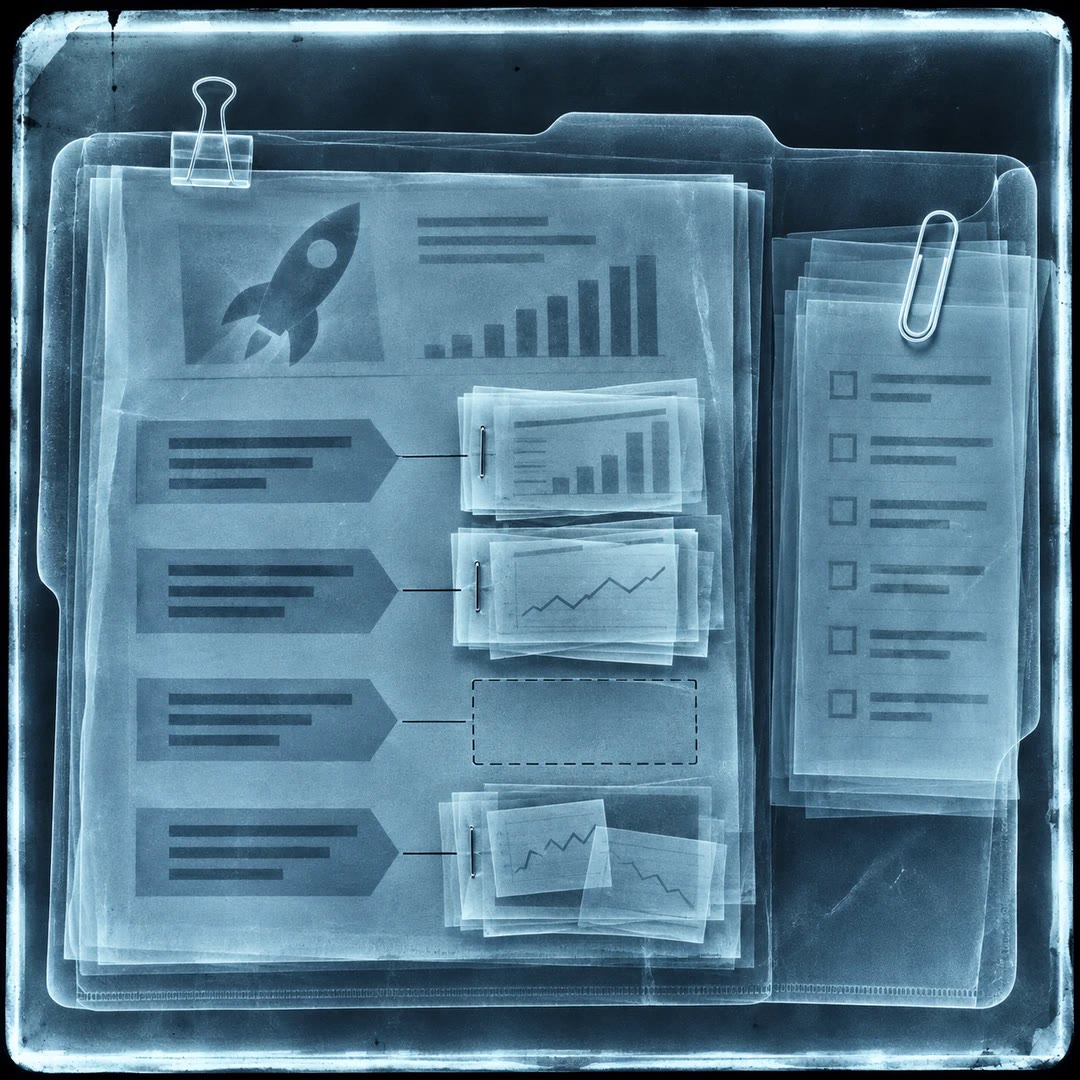
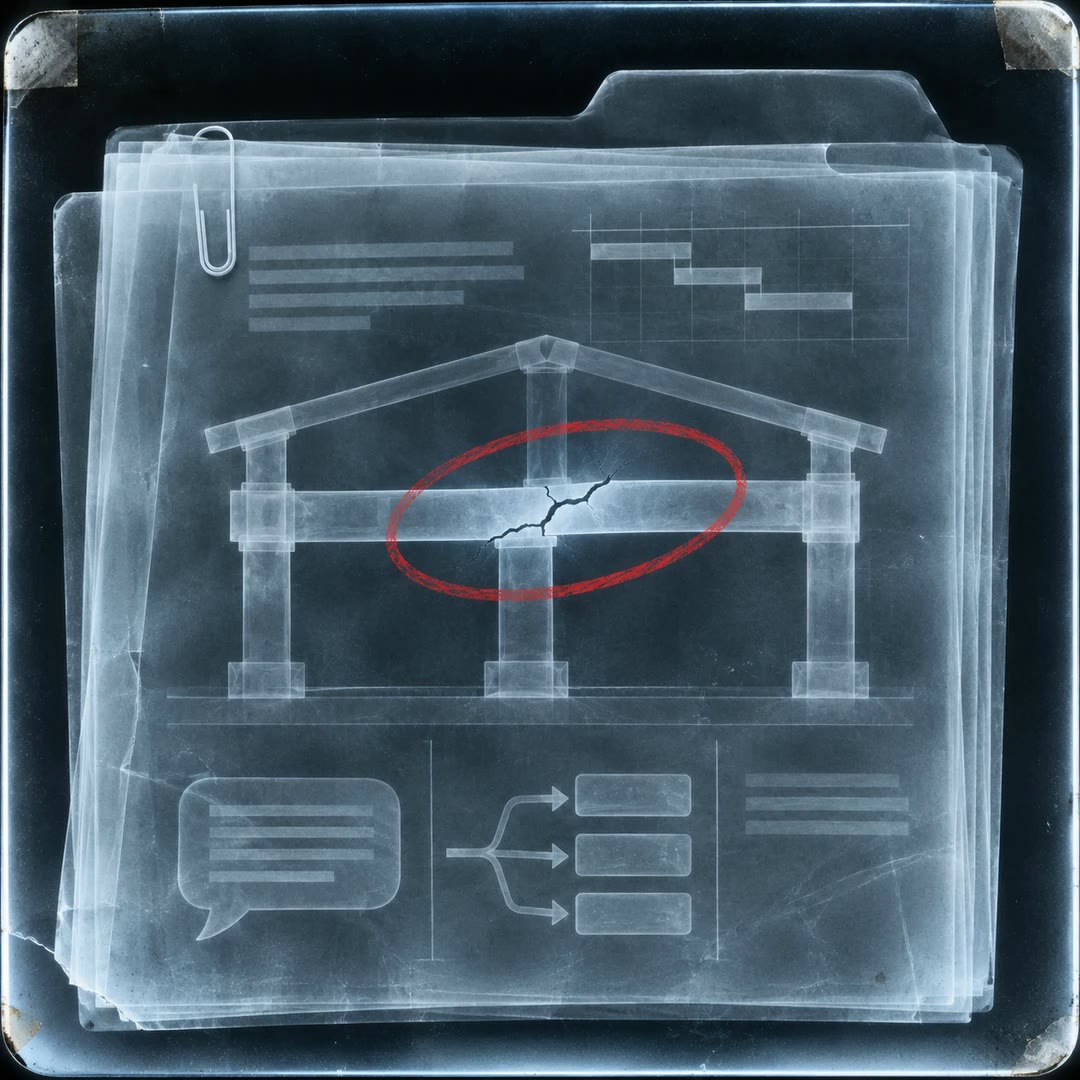
Write product decision documents with AI to preserve why one option won and what could change that choice. The decision-doc skill brings the question, deadline, alternatives and evidence into a record the team can revisit.
Keeping the status quo is a genuine option. Trade-offs can be explained in words instead of inventing precise-looking scores. An optional native reviewer challenges the document’s assumptions, but its simulated objections are not customer research. A proposed recommendation remains distinct from a decision that people have actually made.
What it does
- Compare alternatives with the status quo
- Explain selection criteria and trade-offs
- Separate evidence from unresolved assumptions
- Record reversibility and the cost of changing course
- Identify required agreement and information roles
- Preserve the reasoning for later review
Install and use
- Load the complete PMOS plugin in Claude Code, including its decision template and native reviewer. Provide the question, deadline, real alternatives and current evidence; the two-file leaf alone does not supply the reviewer.
- Ask: “Document a choice between export reports and better search. This month’s budget is fixed, and usage evidence is incomplete.”
- Review the criteria and reasons for rejecting alternatives. Keep missing data visible rather than filling gaps with invented scores, and specify what would change the recommendation.
- Request pressure testing if useful, then check the critique against the artifact. Separately record the human decision, necessary agreement and review date.
FAQ
Source
Made by Pawan Mehta. Original skill: decision-doc, published on GitHub under the MIT licence.
View on GitHubRelated products
- SkillNew
Review startup claim evidence with AI
Trace important startup claims to supplied evidence, preserve conflicting sources and prepare a register of gaps and follow-up questions.
Free - SkillNew
Critique product plans with AI
Pressure-test a product plan by exposing its riskiest assumption, strongest objection and realistic alternatives, with findings anchored to the document.
Free - SkillNew
Clarify a product idea with AI
Separate what you want the product to do from assumptions and unanswered questions before planning or implementation.
Free