Map a research field with AI
Connect representative papers, method families and open questions in a local report
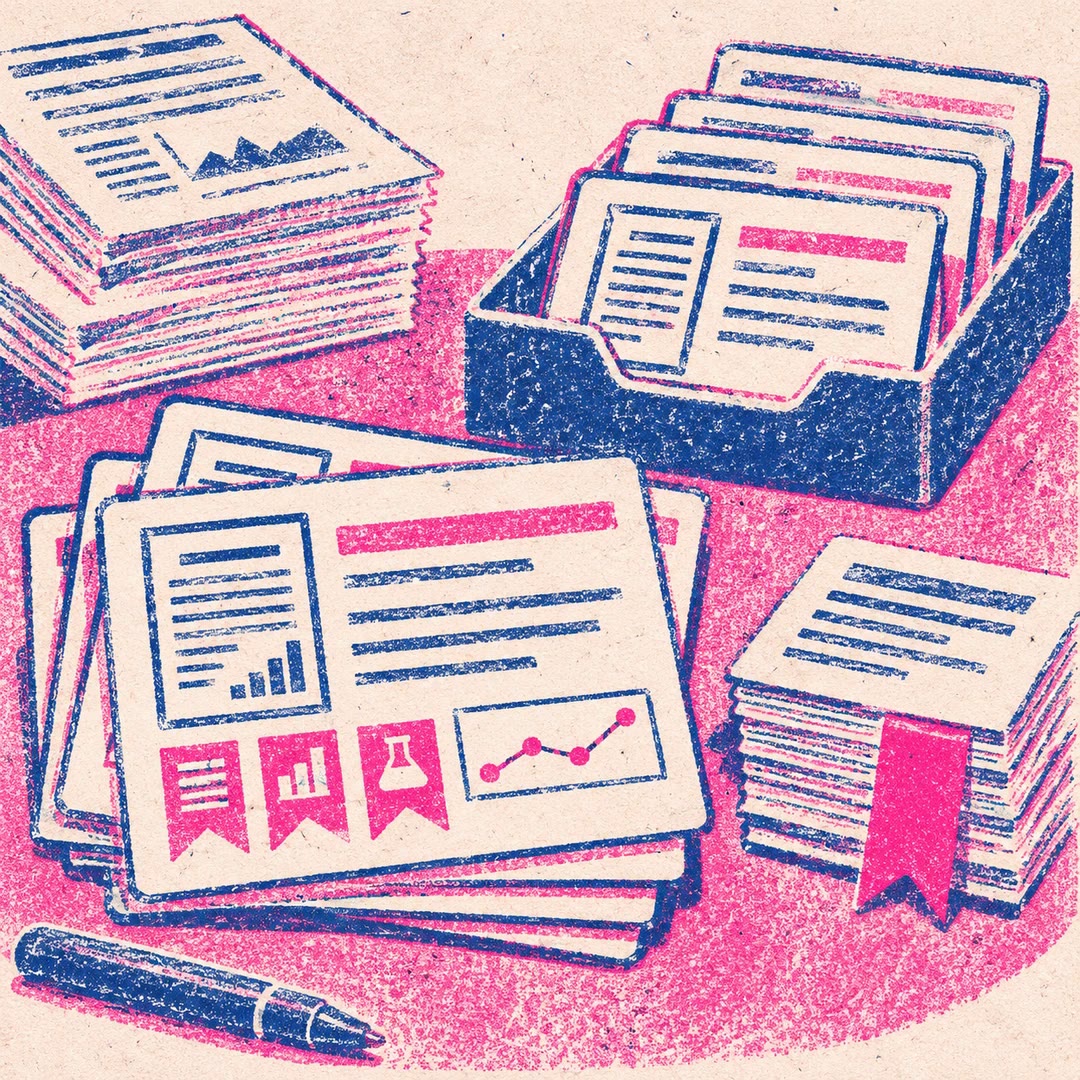
Map a research field with AI by agreeing what belongs in the field before expanding your reading list. The paper-reading-field-map skill turns selected papers into position records, groups related approaches and links proposed opportunities to the work actually read.
Its output is a Markdown workspace and a zero-build HTML report. This is an orientation map rather than a complete summary of every paper or proof that an idea is novel. You confirm the boundary, seed set and search strategy at separate gates.
What it does
- Define the research boundary and stopping point
- Choose representative seed papers with reasons
- Record assumptions, methods and evaluation patterns
- Cluster papers into comparable research routes
- Separate supported gaps from speculation
- Plan the next stage of reading from linked records
Install and use
- Prepare the full selected skill folder, a search-capable file agent and an authorised writable workspace. Your chosen agent processes the material it reads; its tools and access costs remain separate.
- Describe the goal and scope. For example, ask for the main approaches to feedback in language learning, starting with a proposed boundary. Revise and confirm that boundary before discovery begins.
- Review the seed papers and proposed expansion strategy. Record inaccessible sources and reading limits rather than treating a title or abstract as evidence for unseen details.
- Inspect the report alongside the paper records. Check cluster membership and opportunity claims, then choose further reading. A complete table does not establish complete literature coverage.
FAQ
Source
Made by Zhang Yifan. Original skill: paper-reading-field-map, published on GitHub under the MIT licence.
View on GitHubRelated products
- SkillNew
Create English paper digests with AI
Build an English research digest and local reading queue with verified paper identities, evidence-rich cards and a history that avoids repeated recommendations.
Free - SkillNew
Read long PDFs with AI
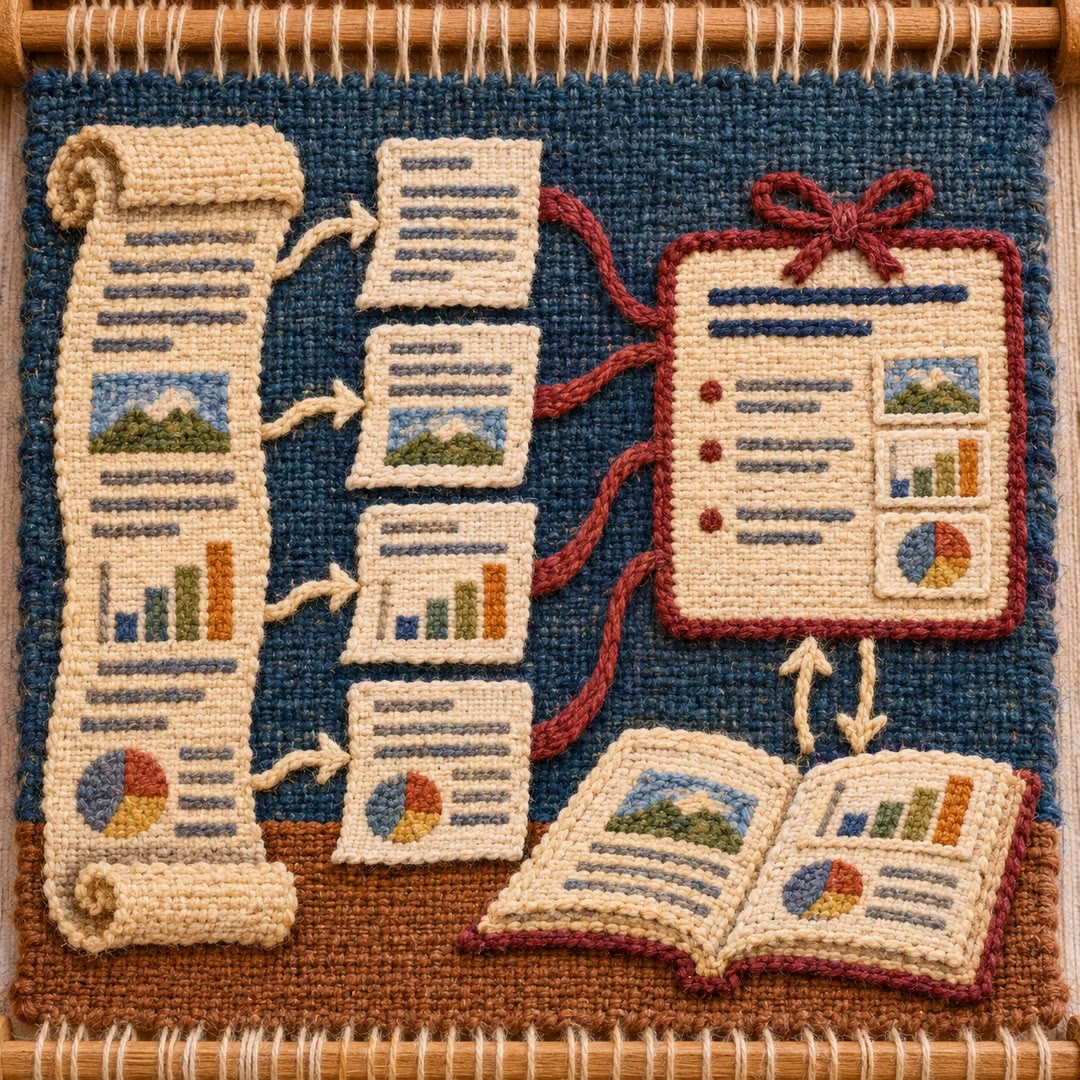
Split a local document into page-based PDF and text chunks, read them in sequence and consolidate source-linked notes, checking important visuals against the original.
Free - SkillNew
Read research papers in stages with an agent
Choose a reading depth that fits your research question, then keep claims, evidence, assumptions and unperformed checks distinct in your notes.
Free