Review a music revision with AI
Compare a revised arrangement with its brief, check that approved musical choices survived and identify the smallest correction each finding needs.
Review a music revision with AI when you have a change request specific enough to test. A producer might ask for a shorter intro while keeping the first vocal entry in the same place. The music-evaluate skill separates those two requirements, names the evidence available for each and records a finding when the edit satisfies one at the expense of the other.
Different files support different conclusions. A written arrangement can show that the strings enter a verse later. It cannot show whether the string recording distorts. With an audio file, local tools can inspect properties such as duration and channel layout. A listening judgement still requires suitable audio evidence.
What it does
- Compare alternative sketches against the decision they were meant to settle.
- Check the bars on either side of an edited section.
- Trace a changed phrase back to the last approved version.
- Compare the audio file's properties with the agreed delivery requirements.
- Route each finding to the person handling arrangement, editing, mix or delivery.
Install and use
- Provide the authorised brief, current draft and comparison version. Technical audio checks require Node 22 or later, FFmpeg and ffprobe.
- Ask, “Did the intro get shorter while the vocal entry stayed where we agreed? Give separate evidence for each.”
- Read the proposed correction and the list of checks that could not run before approving the revision.
FAQ
Source
Made by Music Production Skills contributors (sb-dev). Original skill: music-evaluate, published on GitHub under the MIT licence.
View on GitHubRelated products
- SkillNew
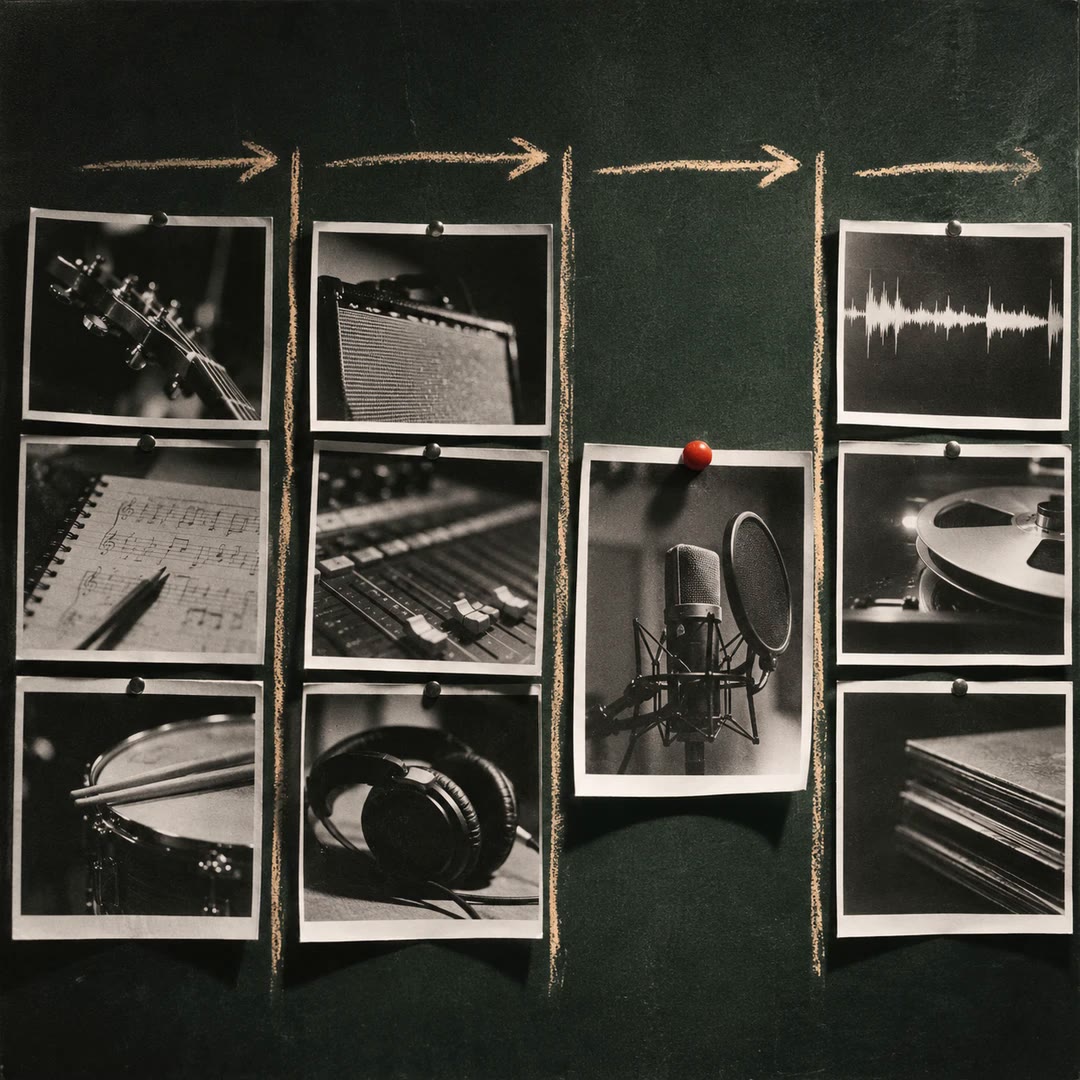
Track album progress with AI
Review track status, workflow stages and blockers in a structured text report
Free - SkillNew
Write music prompts with AI
Shape a musical brief into a prompt for the chosen generator, placing style, lyrics and section cues in the appropriate fields.
Free - SkillNew
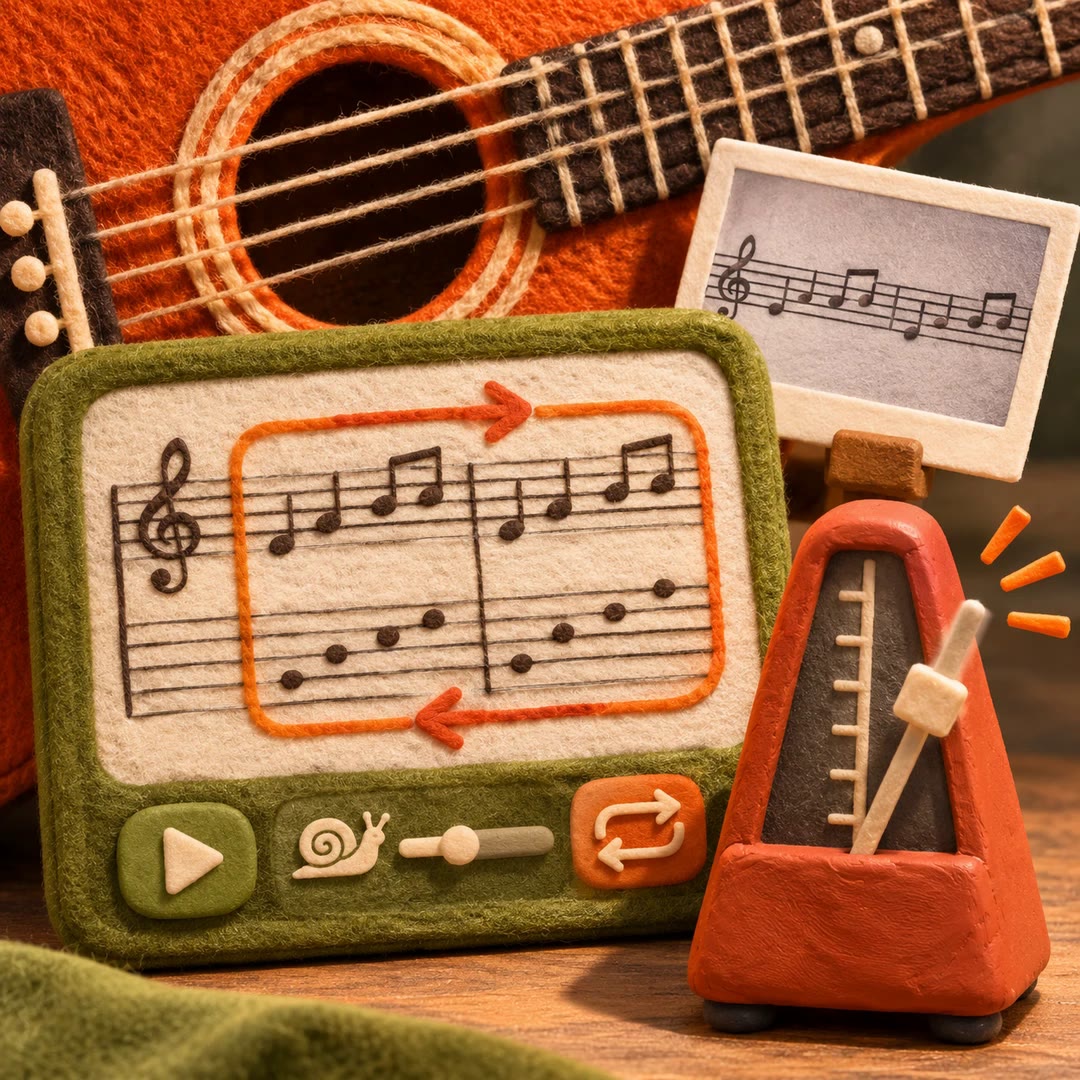
Practise guitar tabs with AI
Turn a guitar score into an interactive practice page with slower playback, selected-bar loops and a source image for checking the transcription.
Free