Explore MotherDuck tables with AI
Find the relevant table in an unfamiliar database. Inspect its fields and a limited sample to understand what one row represents before counting or joining data.
Explore MotherDuck tables with AI when the obvious table name still leaves a question unanswered. An orders table might hold one row per purchase, one per item or one per status change. Counting those rows gives three different answers to a manager asking how many orders were completed.
The motherduck-explore guide starts with authorised catalogues, field types and available descriptions. It moves to a small sample or a focused profile when that helps resolve a specific uncertainty. An empty dispatch date, for instance, may be exactly what you expect for an order awaiting collection.
What it does
- Locate the database and table relevant to a question
- Read column types and existing descriptions
- Establish the business event represented by a row
- Inspect missing values in a field that matters
- Check whether a proposed key is unique enough for a join
Install and use
- Use a compatible agent with authorised read access to the target MotherDuck database. Identify the database and fields the agent may sample, especially if customer information is present.
- Ask, “Find where completed orders are stored. Explain what one row represents and avoid displaying customer names or addresses.”
- Compare the explanation with a familiar order. If its identifier appears more than once, determine why before counting orders or joining the table to another source.
FAQ
Source
Made by MotherDuck. Original skill: motherduck-explore, published on GitHub under the MIT licence.
View on GitHubRelated products
- SkillNew
Estimate your carbon footprint with AI
Use your own bills and receipts to build an emissions range, retain the source behind each figure and compare changes without hiding uncertainty.
Free - SkillNew
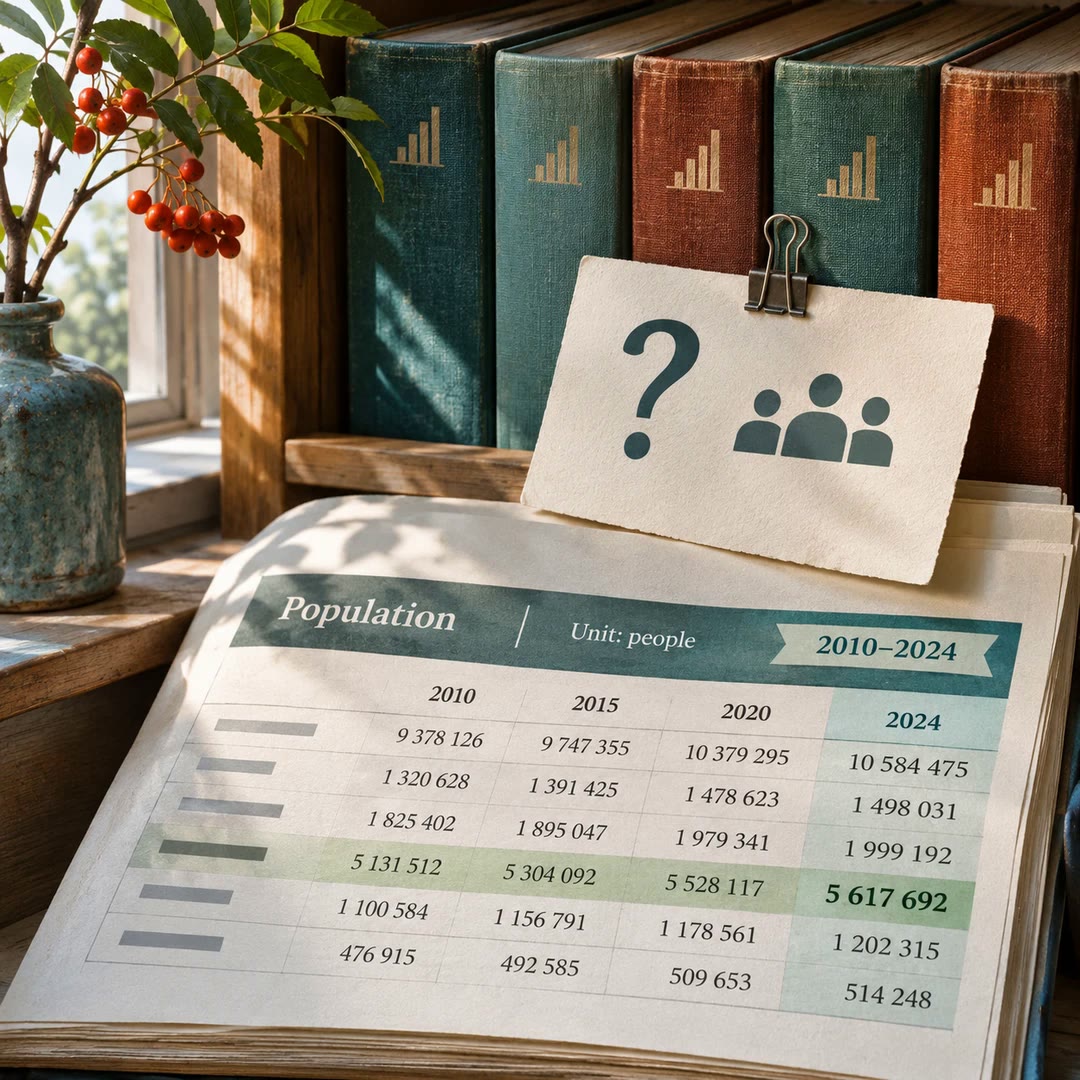
Find official statistics with AI
Ask a specific question of a PxWebApi v2 statistics service. Get the figures with the table, units and time period needed to quote them accurately.
Free - SkillNew
Review astrophotography data with AI
Work out which stage to revisit when a stack has dust shadows, uneven colour or stars that look different across the frame.
Free