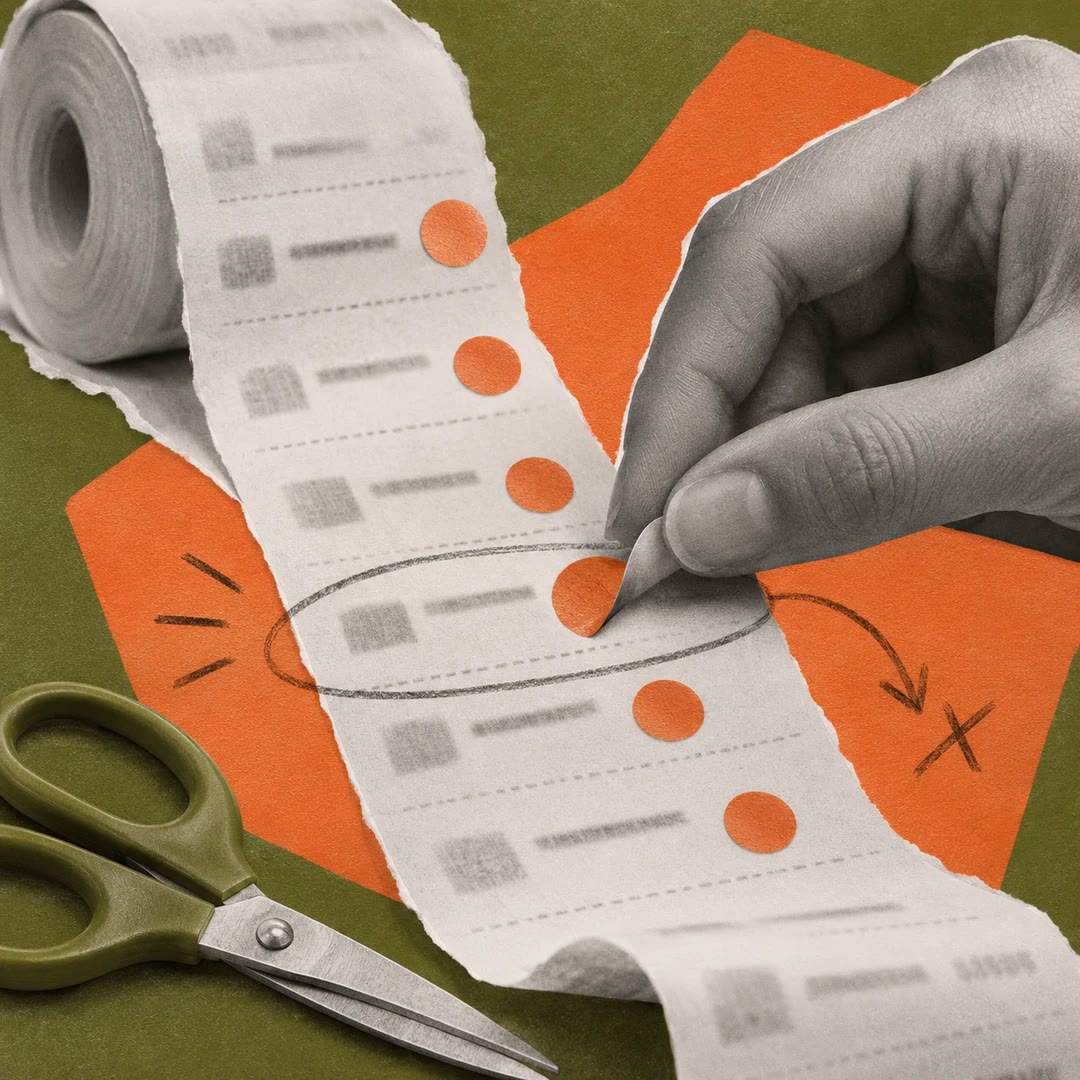
Plan a month-end close with AI
Build a small-business closing checklist around the way you keep the books. Track missing evidence, unreconciled balances and items to carry into next month.
You can plan a month-end close with AI even when the books live in a spreadsheet. Tell month-end-close whether you sell products or services, which accounting tool you use, whether you pay staff or contractors, and whether you collect sales tax. Those answers decide which tasks appear on the checklist. Each comes with a rough time estimate.
Imagine a customer paid in full, but the marketplace deposited a smaller amount. The checklist puts the sales report, payout, fees and refunds in the same review, so you can account for the difference. When a receipt is still missing, carry that item into the closing summary with the rest of the work clearly marked.
What it does
- Collect bank statements, card statements and sales reports before reconciling them.
- Distinguish transfers between your own accounts from income and expenses.
- Review outstanding invoices alongside bills due next month.
- Include payroll and sales tax checks when they apply to the business.
- Hand an accountant a short account of completed tasks and open questions.
Install and use
- Give a writing agent the four business details. The checklist works on its own; optional companion skills can assist with individual data tasks.
- Choose a task and work through the relevant records. Leave unresolved differences on the list.
- Review the closing summary and approve the figures yourself or with your accountant.
FAQ
Source
Made by Hearthbook Labs. Original skill: month-end-close, published on GitHub under the MIT licence.
View on GitHubRelated products
- SkillNew
Create weekly Stripe ledger reports with AI
Reconcile your ledger with actual transactions and keep unexplained differences visible in the weekly report
Free - SkillNew
Find recurring subscriptions with an agent
Inspect your own transaction exports locally and review likely recurring charges before deciding what to keep
Free - SkillNew
Import local financial files with an agent
Map your own account exports into financial memory while keeping earlier records and highlighting unexplained changes
Free