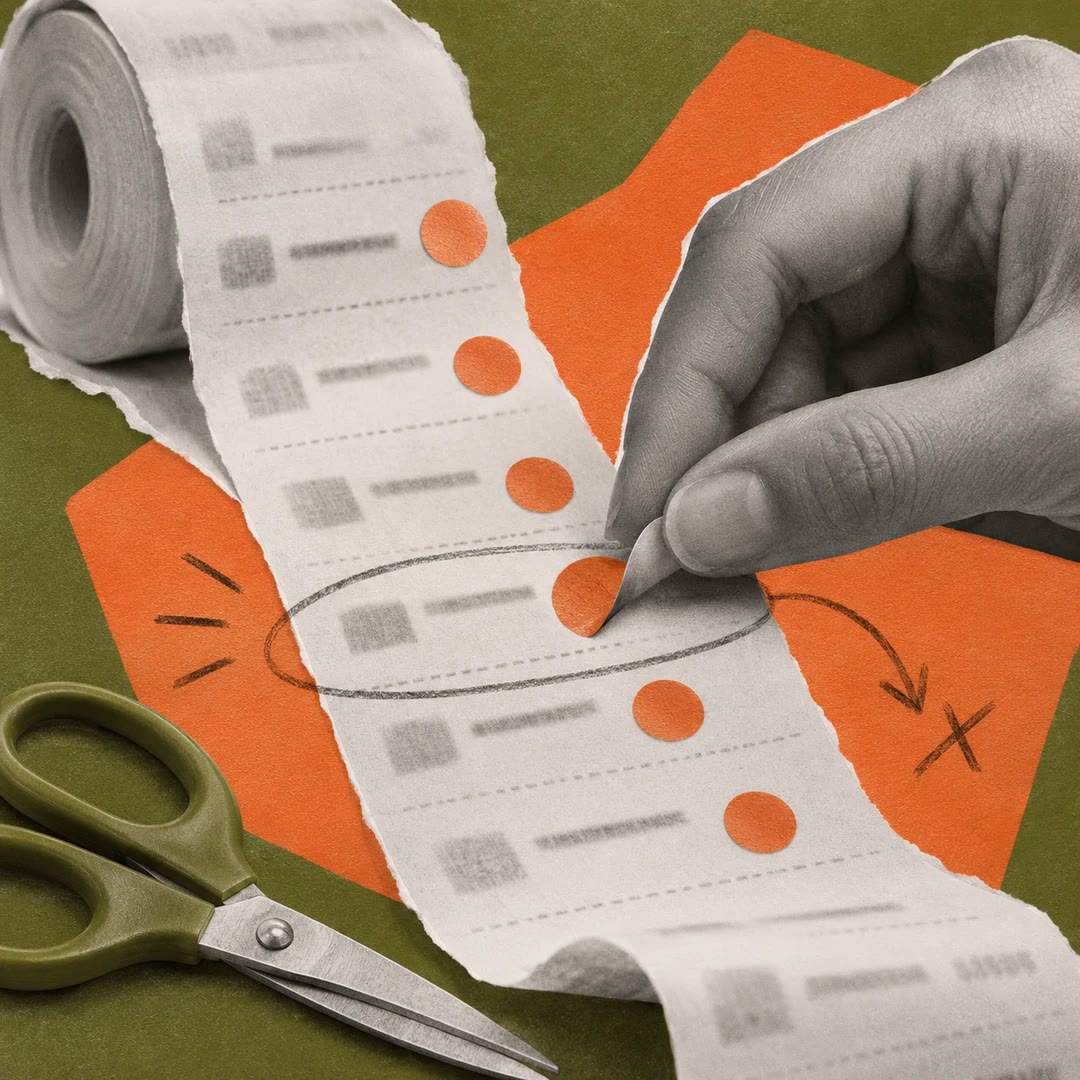
Import local financial files with an agent
Map your own account exports into financial memory while keeping earlier records and highlighting unexplained changes
Import local financial files with an agent when fresh account exports need to join your existing financial notes. The sync-local skill reads selected files, maps their fields and updates the homeCFO memory structure for spending, investments or retirement snapshots.
This route does not sign in to a bank or require a hosted account aggregator. Material read by the agent can still enter its model-provider conversation. Local storage therefore does not promise offline processing, and a reconciled record is neither investment advice nor a guarantee that the source figures are correct.
What it does
- Map differently named transaction columns across exports
- Update financial memory from new local account files
- Compare balances before and after an import
- Keep historical spending periods available for reference
- Highlight unexpected movements instead of silently fixing them
- Preserve handwritten annotations alongside refreshed figures
Install and use
- Install the skill in a file-capable agent and prepare the homeCFO memory templates in an authorised private directory. Select local files as the configured data source.
- For example: “Read these monthly transaction and balance exports; confirm the date and amount columns before updating memory.”
- Resolve unknown required columns and credit or debit signs with the agent. Missing essentials should stop the import rather than invite a guess.
- Review the change summary, anomalies and updated memory files, keeping previous periods for comparison.
FAQ
Source
Made by Brian Wright and homeCFO contributors. Original skill: sync-local, published on GitHub under the MIT licence.
View on GitHubRelated products
- SkillNew
Create weekly Stripe ledger reports with AI
Reconcile your ledger with actual transactions and keep unexplained differences visible in the weekly report
Free - SkillNew
Find recurring subscriptions with an agent
Inspect your own transaction exports locally and review likely recurring charges before deciding what to keep
Free - SkillNew
Audit subscriptions with AI
Find recurring subscriptions in your receipts or statement data, total the cost and flag services that need a decision from you.
Free