Build an IIIF manifest with AI
Describe a digitised object for an IIIF viewer, from the order of its images to the credit line and annotations that belong with them.
A collection editor might build an IIIF manifest with AI to show two photographs of a single object. The iiif-presentation-api-3 guide includes a working JSON structure for front and reverse views. Replace the sample image locations, dimensions and descriptions with your authorised material.
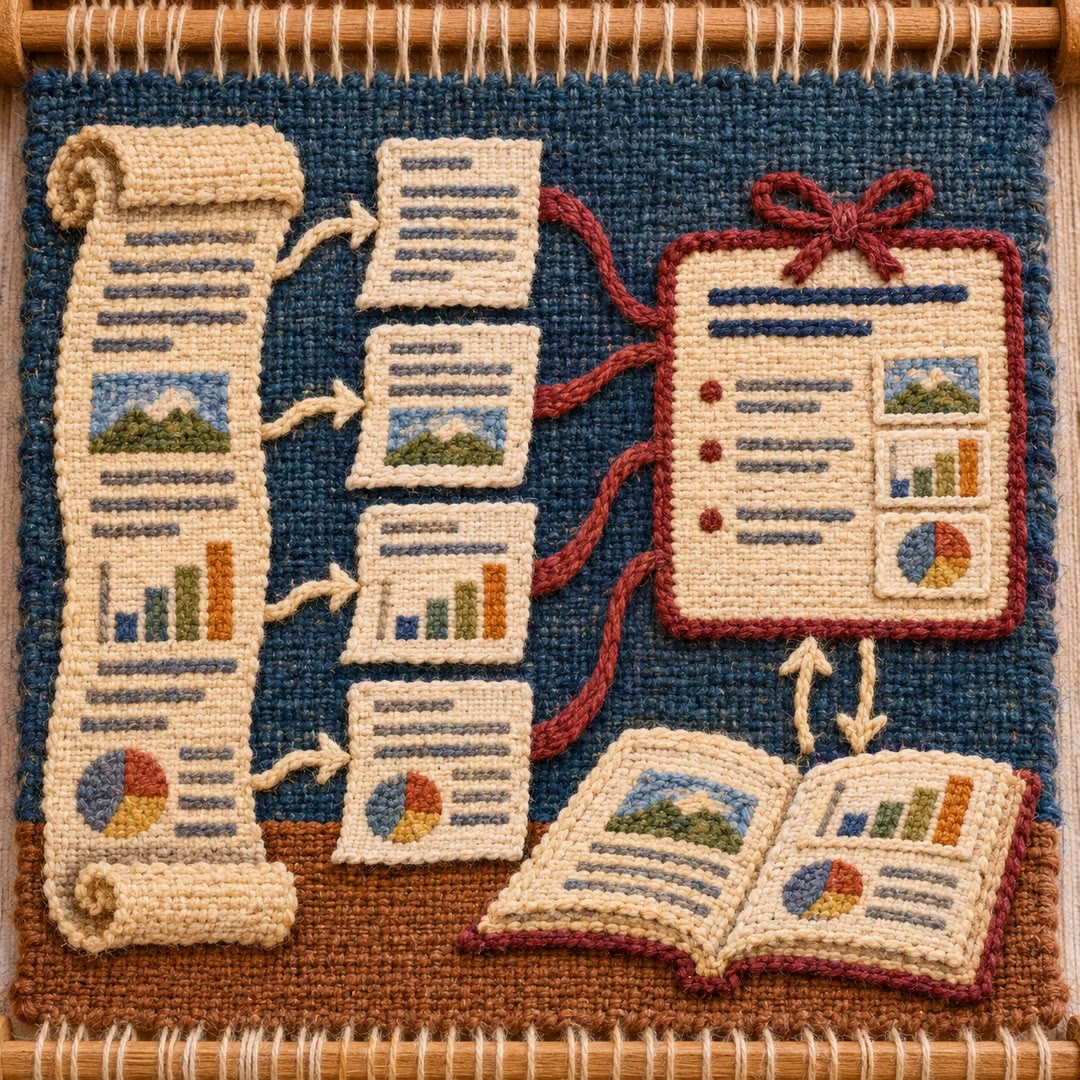
The manifest tells a viewer how the parts relate. A postcard can carry a transcribed postmark on its reverse as a separate annotation, leaving the photograph untouched. A longer item can use ranges to group related pages, much like sections of a catalogue.
What it does
- Arrange a sequence of page images in reading order.
- Give the front and back of one object separate labels.
- Attach a transcription or comment to a specific image region.
- Record the supplying institution and its required credit.
- Group a run of canvases into a navigable section.
Install and use
- Load the skill in a JSON-capable assistant. Gather authorised image addresses, dimensions and catalogue metadata. Have a Presentation 3 viewer available for preview.
- Ask, “Build a two-view manifest for this trade card and anchor a note to the printer’s mark on its reverse.”
- Preview both views and check the note against the image. Verify that identifiers, access and rights information belong to the actual collection.
FAQ
Source
Made by George Owen. Original skill: iiif-presentation-api-3, published on GitHub under the MIT licence. The files are unchanged.
View on GitHubRelated products
- SkillNew
Create English paper digests with AI
Build an English research digest and local reading queue with verified paper identities, evidence-rich cards and a history that avoids repeated recommendations.
Free - SkillNew
Read long PDFs with AI
Split a local document into page-based PDF and text chunks, read them in sequence and consolidate source-linked notes, checking important visuals against the original.
Free - SkillNew
Read research papers in stages with an agent
Choose a reading depth that fits your research question, then keep claims, evidence, assumptions and unperformed checks distinct in your notes.
Free