Plan game audio with AI
Give music, dialogue, effects and ambience distinct roles, then document how the mix should respond to the player and the game state.
Plan game audio with AI before filling a project with unrelated sound files. The game-audio-director skill starts with what the player needs to hear. In a busy station scene, that might mean making an arriving train recognisable without covering a line of dialogue or masking an important interaction cue.
The resulting sound bible gives composers, sound designers and developers a shared set of decisions. It can define what should change between exploration and danger, which channels need their own volume controls and when another kind of feedback is needed.
What it does
- Describe the sonic character of a location in terms the team can implement.
- Map essential player cues to effects, mix priorities and alternatives to sound.
- Plan transitions between musical states without restarting every phrase.
- Build variation into footsteps or other frequently repeated sounds.
- Document where a performance came from and which uses the performer authorised.
Install and use
- Start with the official GameForge plugin in Claude Code, a game brief and an authorised set of reference material. Planning does not require a paid synthesis account.
- Pick a playable scene and list what each sound should communicate. Mark the information a player must still receive with the sound muted.
- Test the proposed mix in context. Update the sound bible when a cue competes with dialogue or changes too abruptly.
FAQ
Source
Made by Cem Ipek, AlterLab Creative Technologies Laboratory. Original skill: game-audio-director, published on GitHub under the MIT licence.
View on GitHubRelated products
- SkillNew
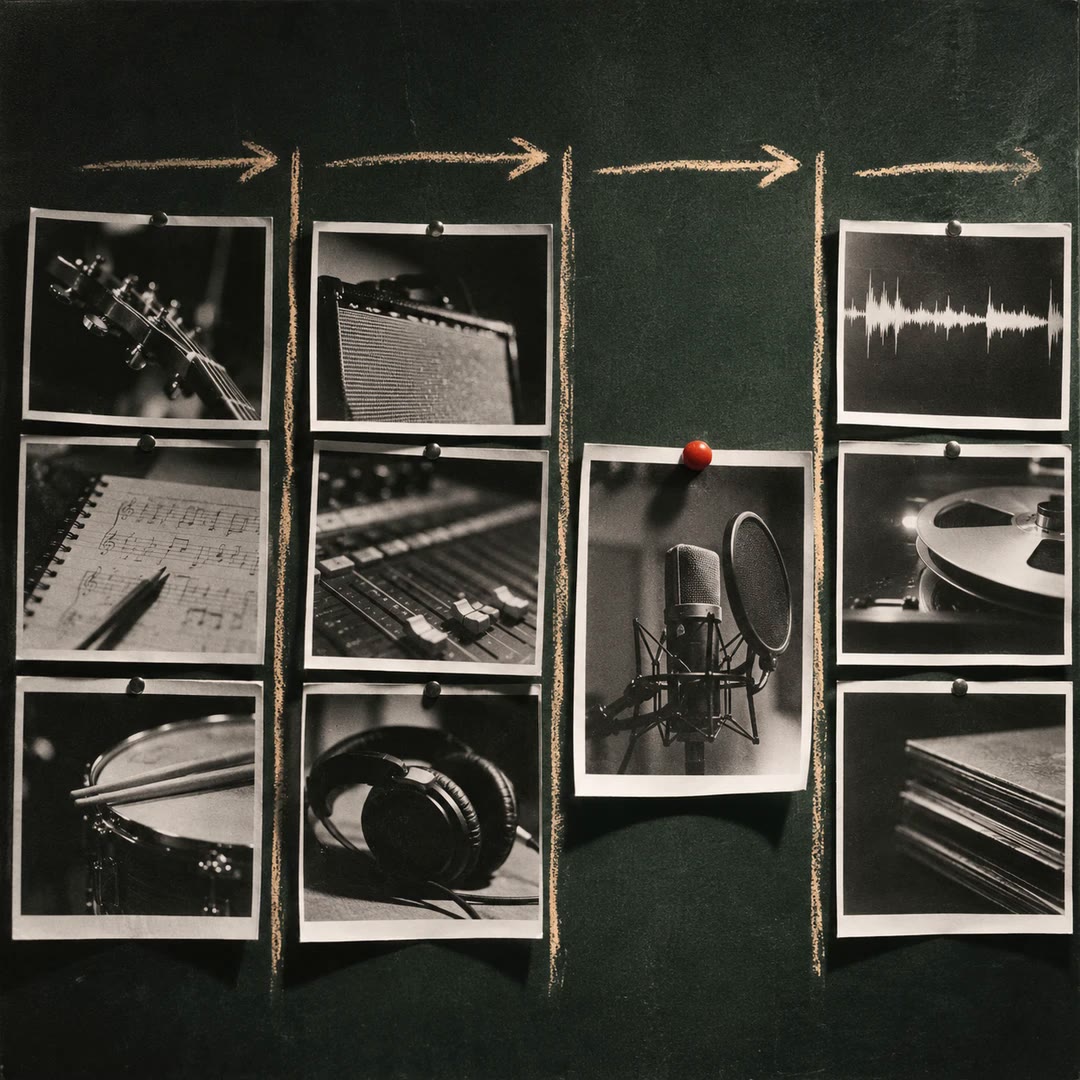
Track album progress with AI
Review track status, workflow stages and blockers in a structured text report
Free - SkillNew
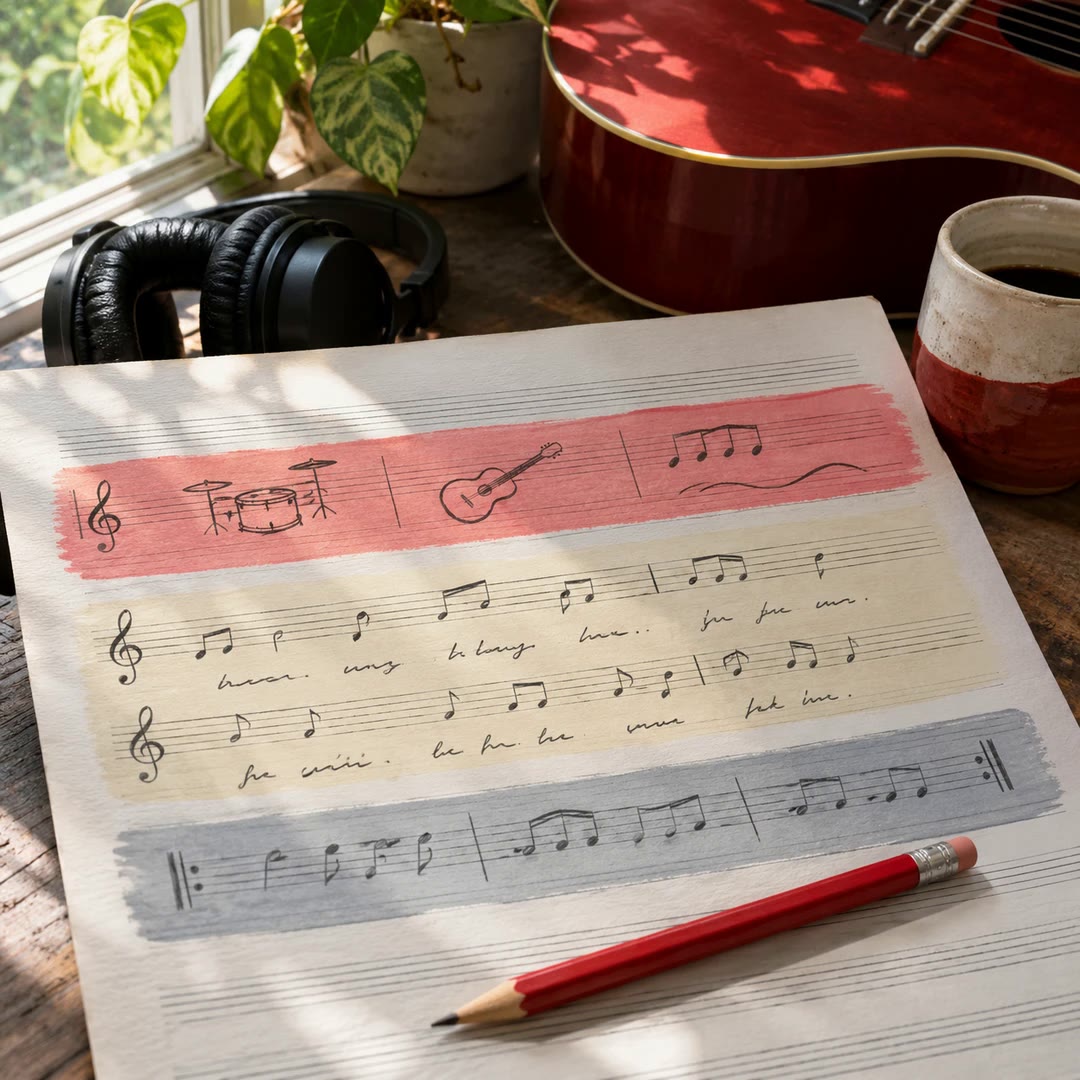
Write music prompts with AI
Shape a musical brief into a prompt for the chosen generator, placing style, lyrics and section cues in the appropriate fields.
Free - SkillNew
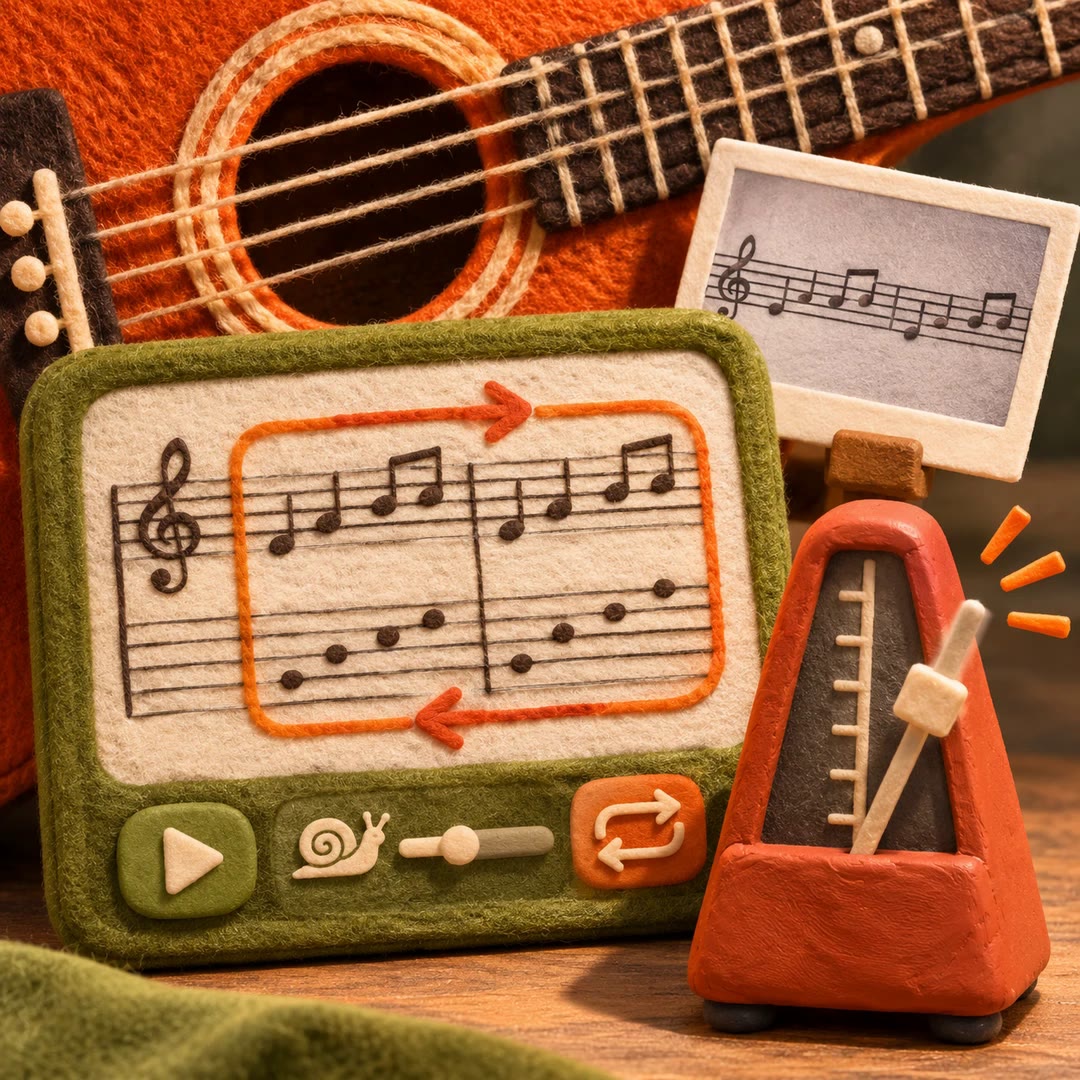
Practise guitar tabs with AI
Turn a guitar score into an interactive practice page with slower playback, selected-bar loops and a source image for checking the transcription.
Free