Read a research paper critically with AI
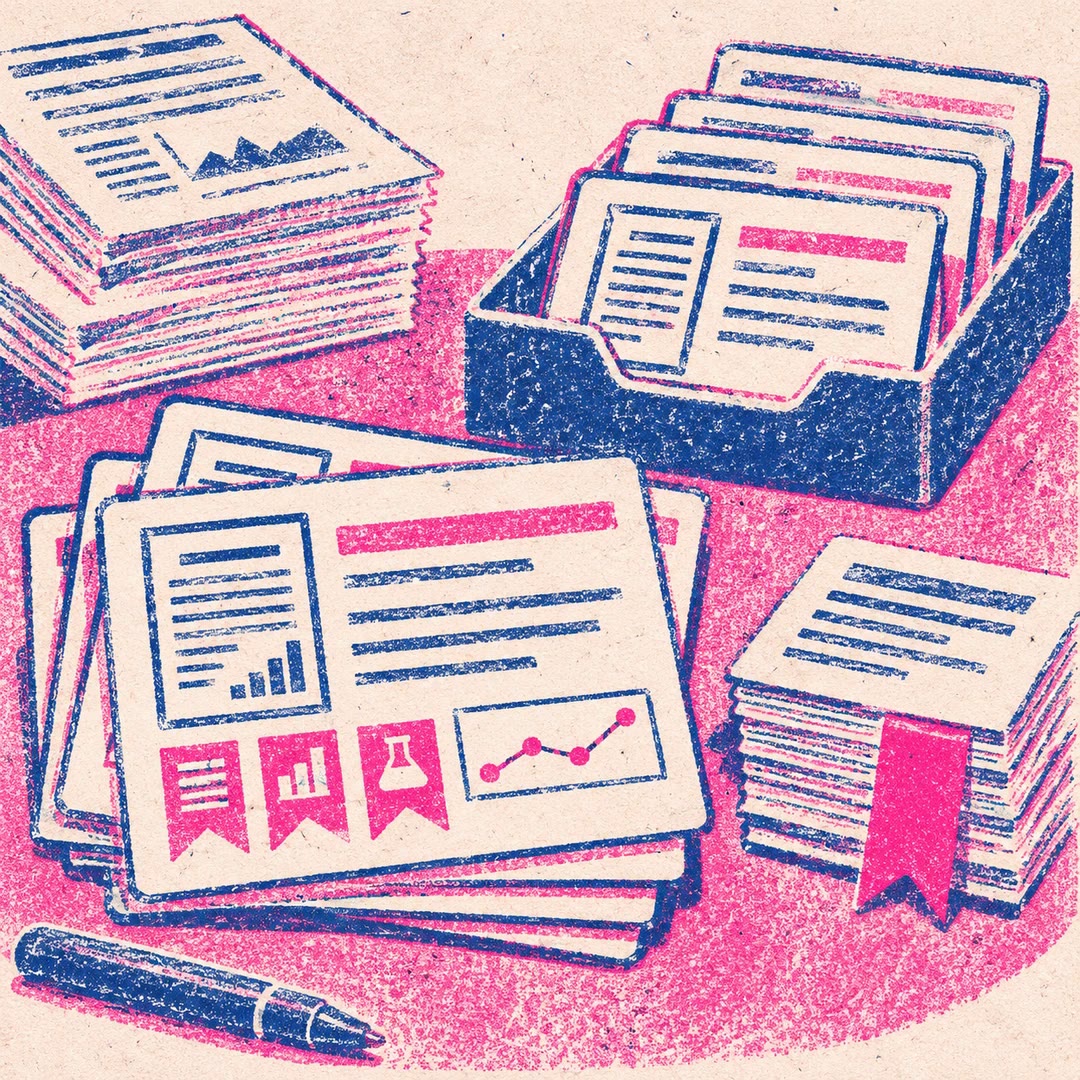
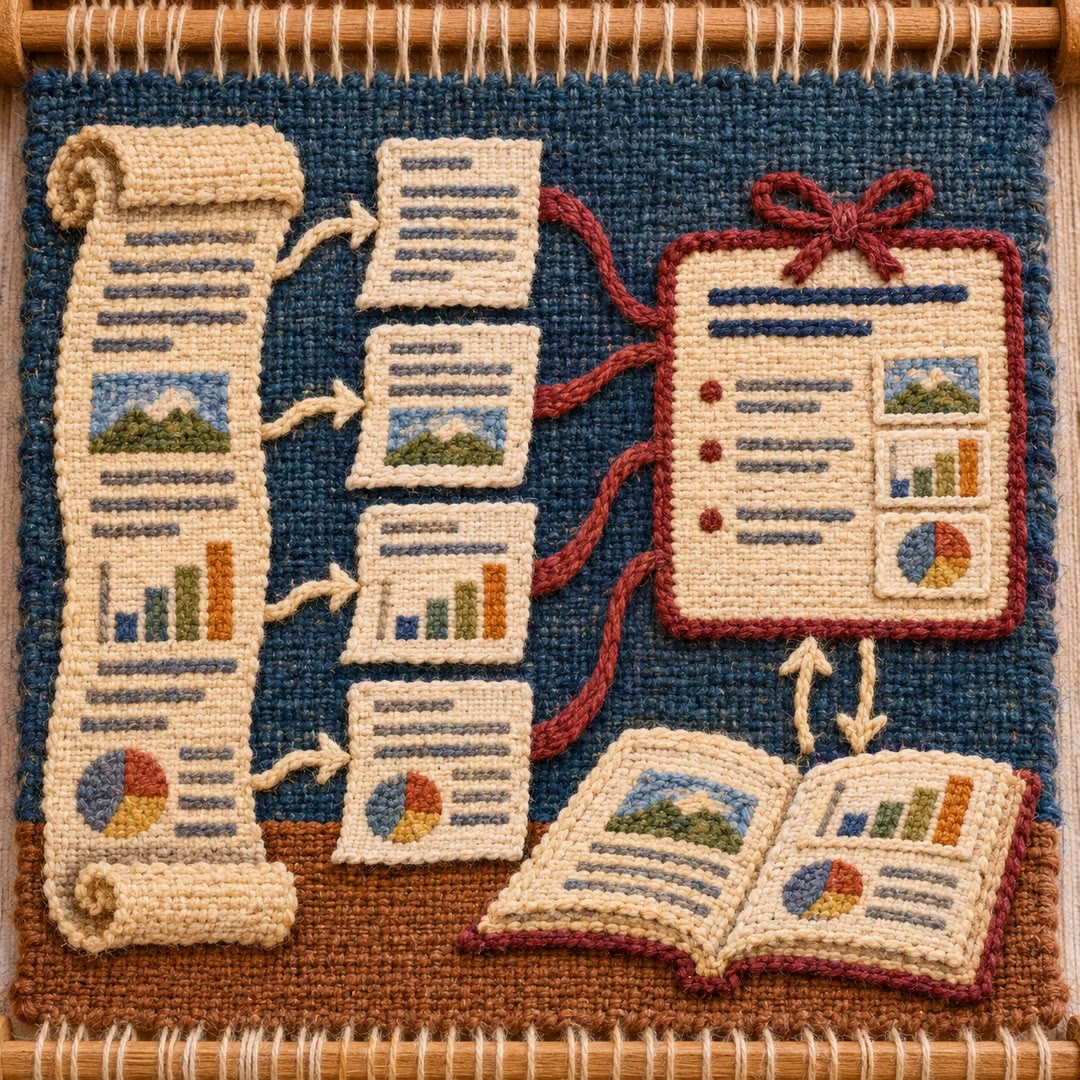
Trace a paper’s conclusion to its methods, tables and figures. Build a short reading memo that distinguishes reported findings from interpretation and missing evidence.
To read a research paper critically with AI, start with the decision you need to make. Perhaps a team wants to cite a claim that learners remembered more a month after a lesson. The evidence-led-paper-reading skill can check whether the study actually followed participants for a month, identify the comparison group and point to the result.
The memo keeps a reported observation separate from the author’s explanation and your own inference. If the only material available is an abstract, it records that limit. A negative result or an unanswered question remains visible even when the paper’s conclusion sounds confident.
What it does
- Locate the table behind a claim in a draft report.
- Check whether the study population fits the decision at hand.
- Compare the follow-up periods in two papers.
- Identify conflicting findings worth checking in the appendix.
- Keep a record of what remains unknown before citing a result.
Install and use
- Provide a readable PDF, full text or identified excerpt to an agent that can read it. A question about one claim is enough.
- Ask it to trace the claim from study design to result, giving page, section, figure or table references where available.
- Reopen those locations yourself. Check whether the evidence supports citation, a comparison or a more cautious conclusion.
FAQ
Source
Made by Aaron Huang. Original skill: evidence-led-paper-reading, published on GitHub under the MIT licence.
View on GitHubRelated products
- SkillNew
Create English paper digests with AI
Build an English research digest and local reading queue with verified paper identities, evidence-rich cards and a history that avoids repeated recommendations.
Free - SkillNew
Read long PDFs with AI
Split a local document into page-based PDF and text chunks, read them in sequence and consolidate source-linked notes, checking important visuals against the original.
Free - SkillNew
Read research papers in stages with an agent
Choose a reading depth that fits your research question, then keep claims, evidence, assumptions and unperformed checks distinct in your notes.
Free