Get historical weather data with AI
Request a historical point series or an authorised archive subset. Keep track of the dataset, grid point, units and retrieval route when interpreting the result.
To get historical weather data with AI, name the quantity you want to compare as well as the place. A daily rainfall total and an hourly temperature series call for different archive requests, even if they cover the same site.
The ecmwf-cds-ads skill checks ECMWF and Copernicus catalogue information and builds an appropriate request. A keyless ERA5 point series can come back as CSV; other variables or formats may use an authenticated queue. The output identifies the source and grid point.
What it does
- Retrieve an hourly temperature series for one site and date range.
- Compare rainfall periods using the same archive product and units throughout.
- Check which nearby grid point represents a requested location.
- Preview a larger download request before committing to a queue.
- Keep the dataset identifier and attribution with the exported table for later citation.
Install and use
- Install the skill with Python and internet access. Some point series need no key. Account-based retrievals require valid credentials, accepted dataset terms and the relevant client packages.
- Ask, “Give me hourly temperature for this point during the selected month, with the unit and dataset named.”
- Check the returned point and dates. Keep the source reference when comparing the values or writing a report.
FAQ
Source
Made by ECMWF. Original skill: ecmwf-cds-ads, published on GitHub under the Apache-2.0 licence.
View on GitHubRelated products
- SkillNew
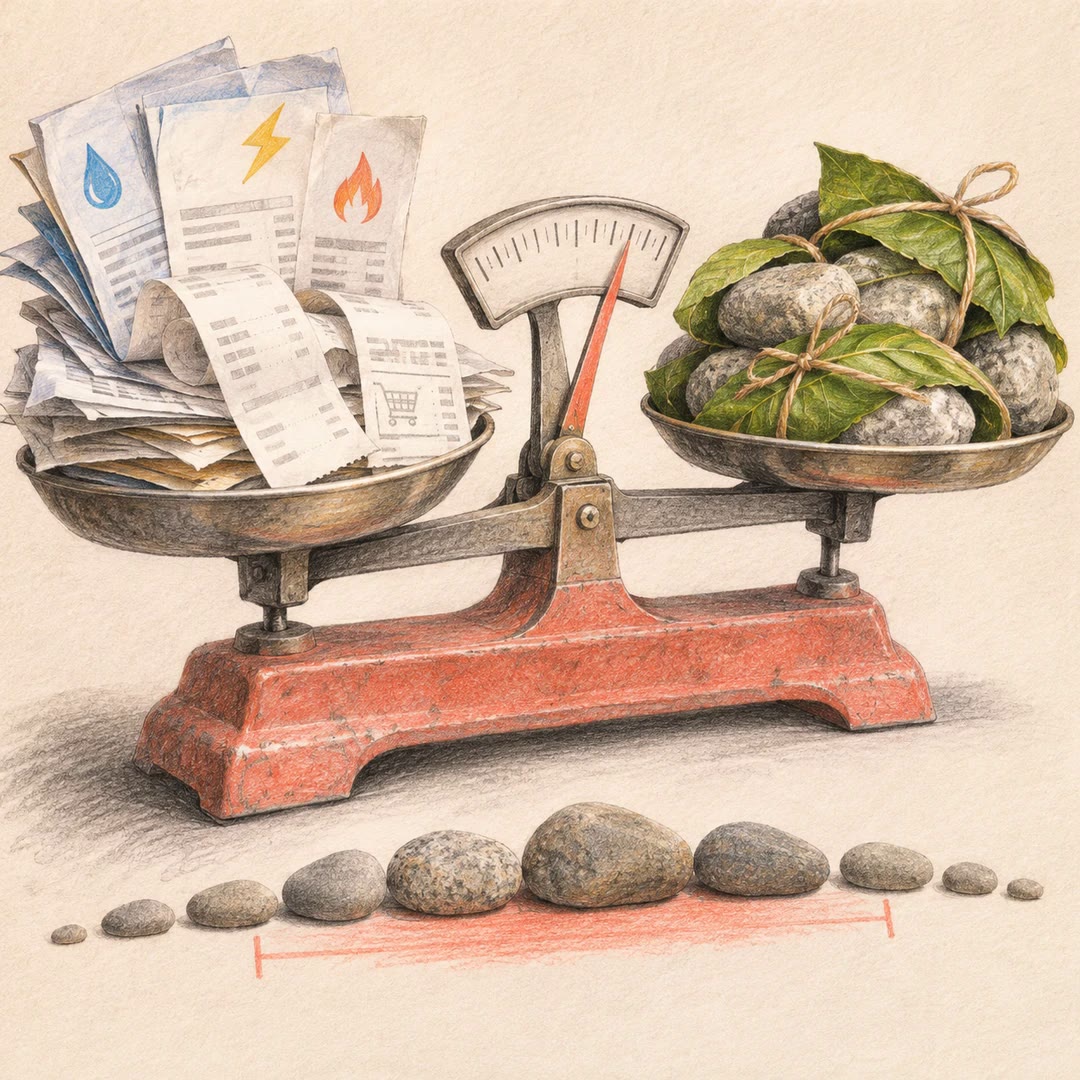
Estimate your carbon footprint with AI
Use your own bills and receipts to build an emissions range, retain the source behind each figure and compare changes without hiding uncertainty.
Free - SkillNew
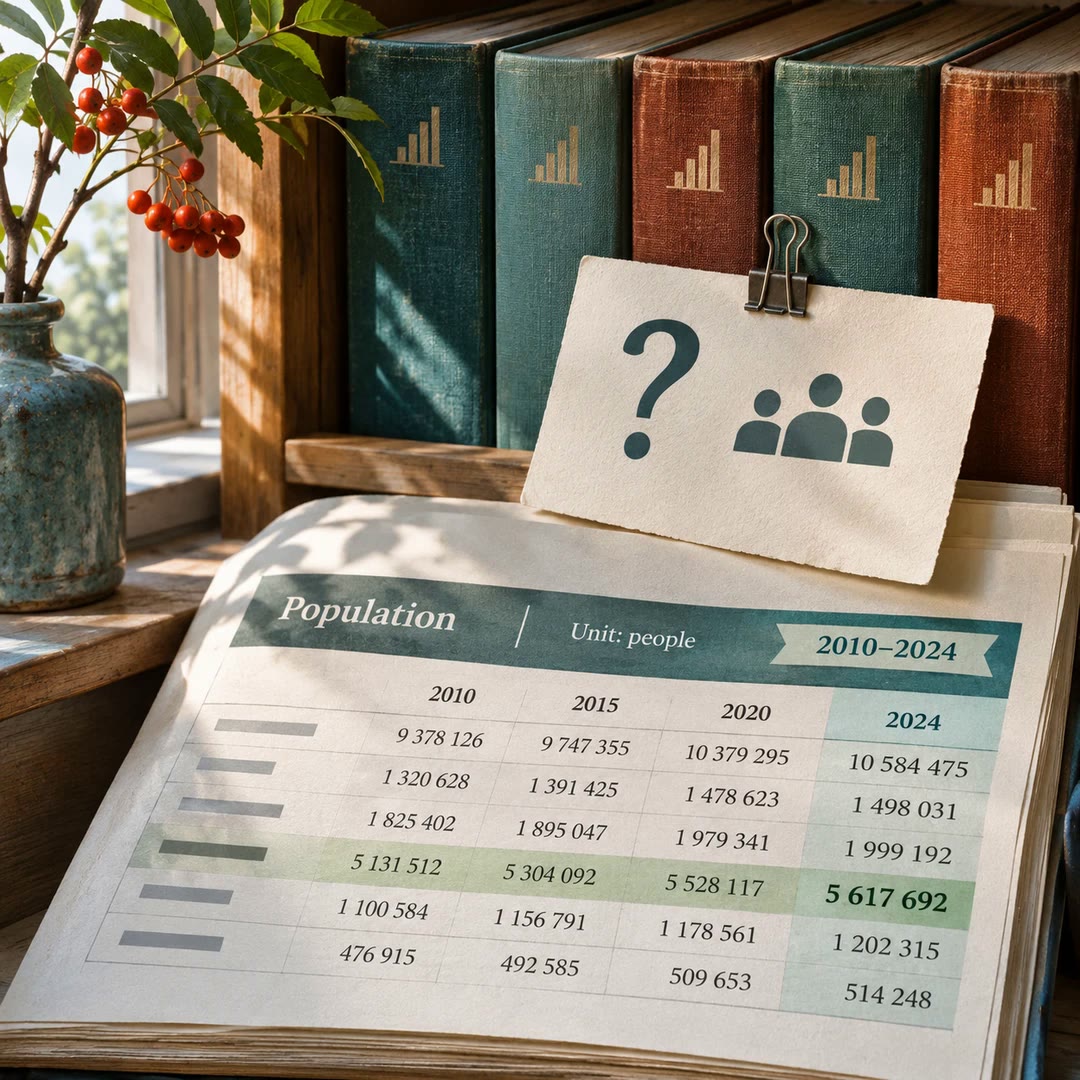
Find official statistics with AI
Ask a specific question of a PxWebApi v2 statistics service. Get the figures with the table, units and time period needed to quote them accurately.
Free - SkillNew
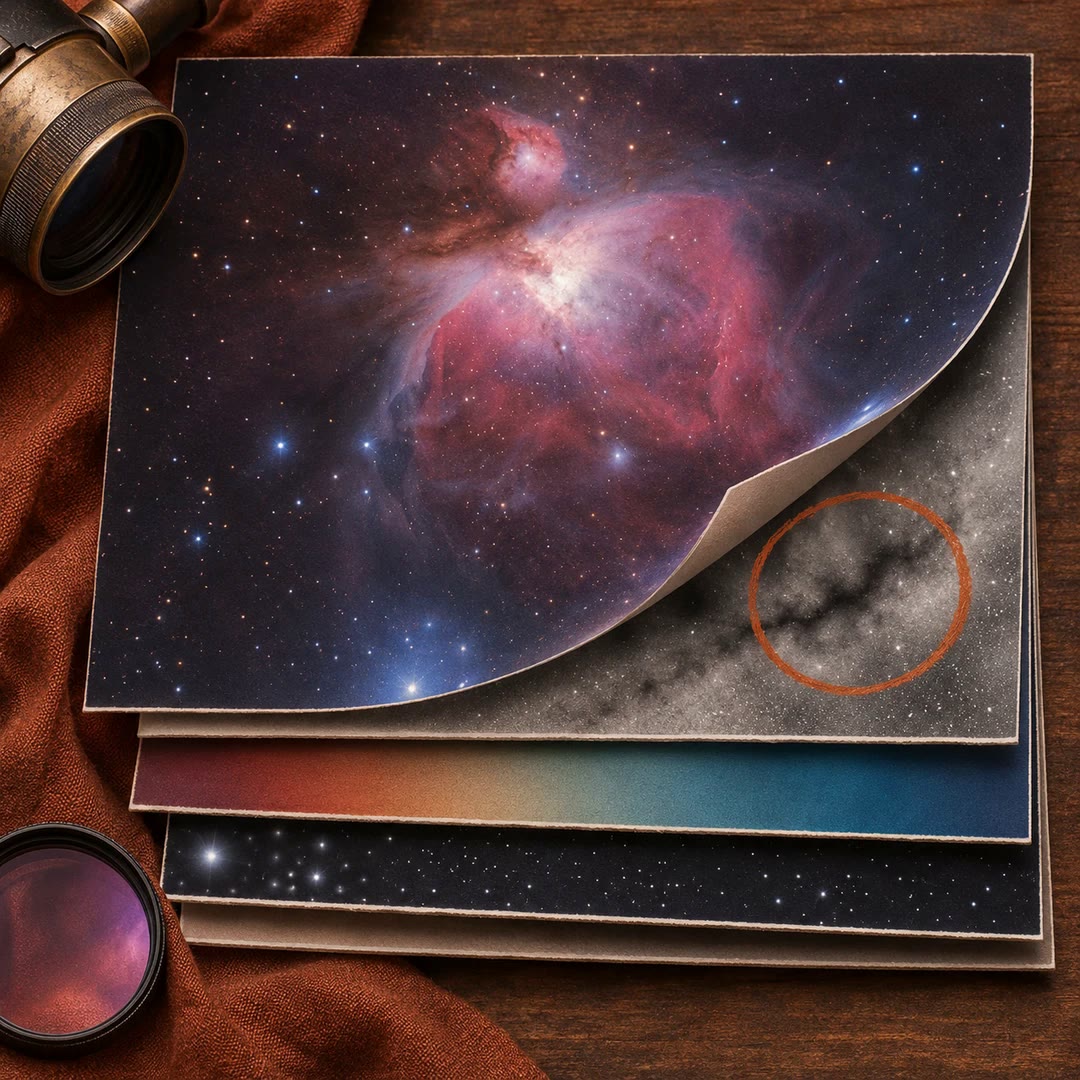
Review astrophotography data with AI
Work out which stage to revisit when a stack has dust shadows, uneven colour or stars that look different across the frame.
Free