Rehearse early music pronunciation with AI
Read original words, IPA and English meaning alongside a vocal score, with performance notes for unfamiliar sounds and alternative historical readings.
To rehearse early music pronunciation with AI, start with the edition the choir will actually sing. The early-music-ipa-guide skill reads the words as printed, preserving repetitions and following the musical phrases. An editor’s note or a date on the title page can help establish why a particular pronunciation convention fits. Where the evidence leaves room for another choice, the worksheet records it.
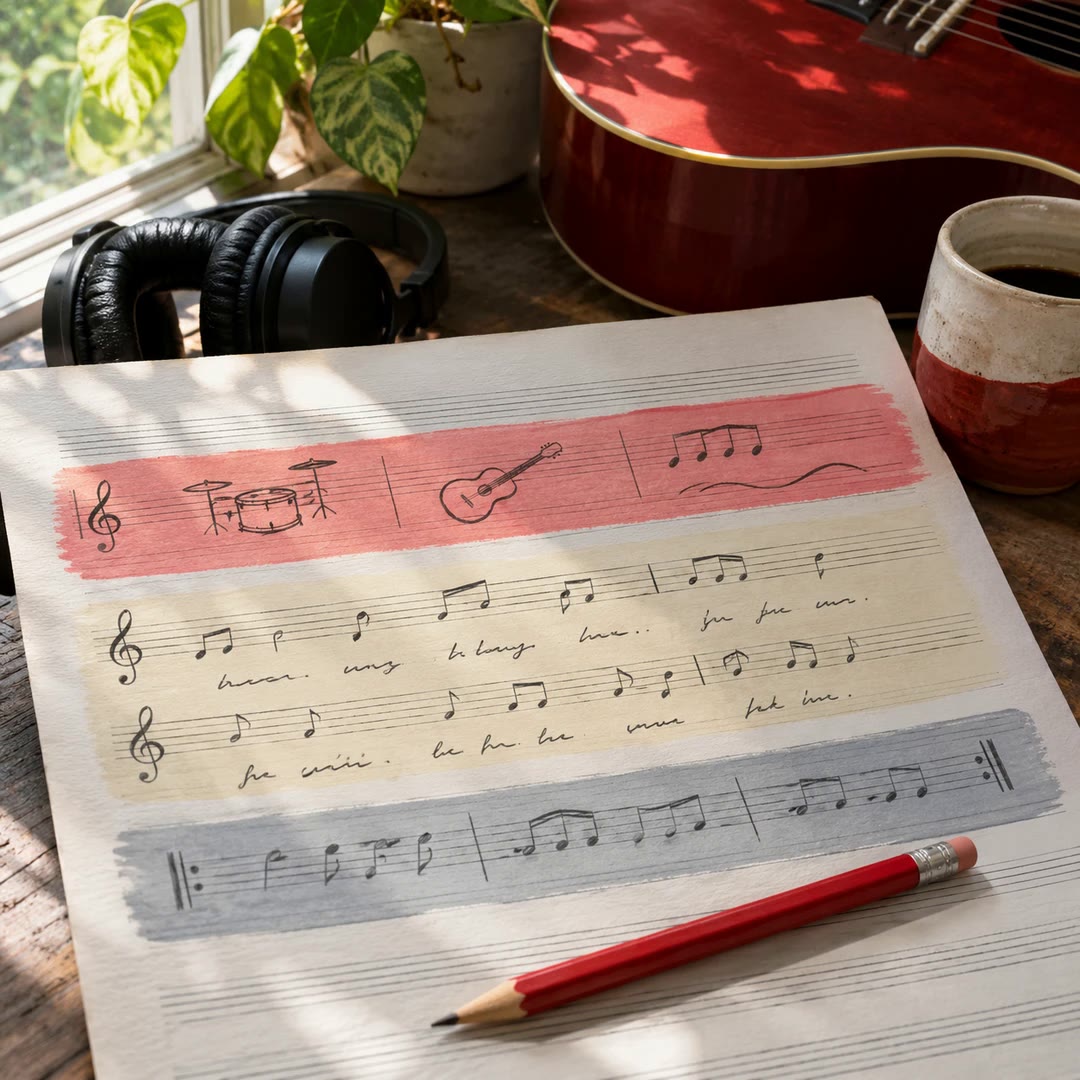
Each row has three parts: text, IPA and English meaning. A short key explains sounds that occur in your piece, so a singer can concentrate on the vowels and consonants they will meet on the next page.
What it does
- Compare a printed line with its transcription without modernising the spelling.
- Identify where a different regional convention would change how a word sounds.
- Separate the words sung by different voice parts when their texts diverge.
- Review consonant timing, elision or a syllable stretched over several notes.
- Give the conductor a list of unclear readings to discuss at rehearsal.
Install and use
- Install the skill in an agent that can read scores as images or PDFs. Supply a legible copy you have permission to use, including editorial notes if available.
- Ask, “Make an intermediate pronunciation worksheet for these two pages. Show any competing readings that change what we sing.”
- Follow the rows against your score. Supply a clearer crop if a word cannot be read confidently.
FAQ
Source
Made by Akira Brand. Original skill: early-music-ipa-guide, published on GitHub under the MIT licence.
View on GitHubRelated products
- SkillNew
Track album progress with AI
Review track status, workflow stages and blockers in a structured text report
Free - SkillNew
Write music prompts with AI
Shape a musical brief into a prompt for the chosen generator, placing style, lyrics and section cues in the appropriate fields.
Free - SkillNew
Practise guitar tabs with AI
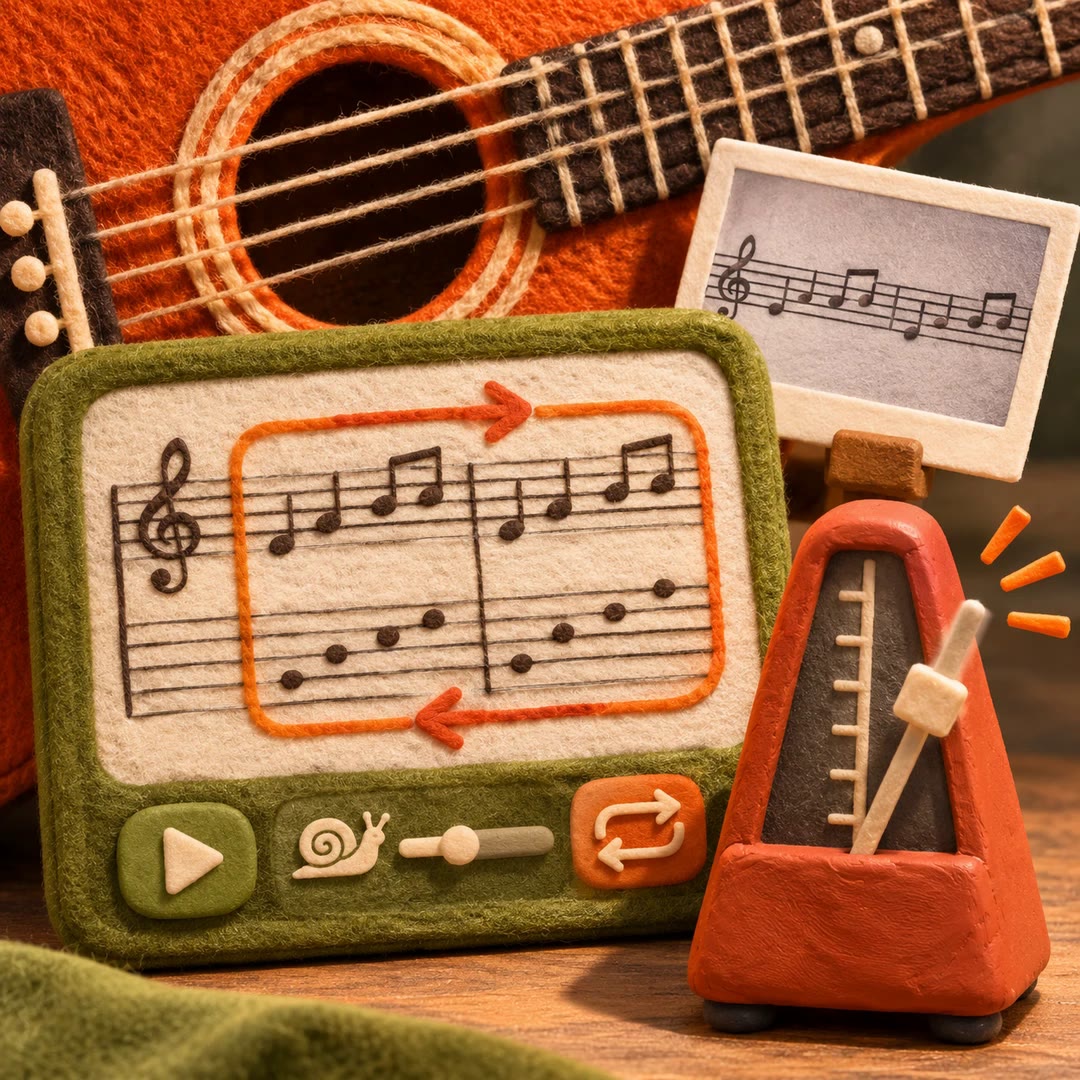
Turn a guitar score into an interactive practice page with slower playback, selected-bar loops and a source image for checking the transcription.
Free