Format a Markdown table with AI
Turn raw figures into a table with meaningful headings, consistent units, an intentional sort order and a source line.
An editor might format a Markdown table with AI when a spreadsheet export is accurate but hard to read. The data-table-formatter works from supplied rows and a publication brief. If a column reports “wait”, the reader needs to know whether the value is a median or a mean and whether the unit is days or weeks. Give the assistant those definitions with the export.
The result has a title, labelled columns and a source note. A brief formatting note can explain rounding or the choice of sort column, especially when a different order would suggest a different story.
What it does
- Replace internal column codes with terms a reader recognises.
- Keep precision consistent within each numeric column.
- Rank records by the measure discussed in the article.
- Identify the period and data source beneath the table.
- Decide whether a wide table would read better in two parts.
Install and use
- Load the skill in a text assistant. Supply the authorised rows, column meanings and source. It needs no spreadsheet account.
- Ask, “Format these branch figures for our report. Sort by annual visits, keep the original precision and distinguish people from appointments.”
- Compare a few output rows with the source. Preview the Markdown in the publication’s editor, especially on a narrow screen.
FAQ
Source
Made by ur-grue. Original skill: data-table-formatter, published on GitHub under the MIT licence.
View on GitHubRelated products
- SkillNew
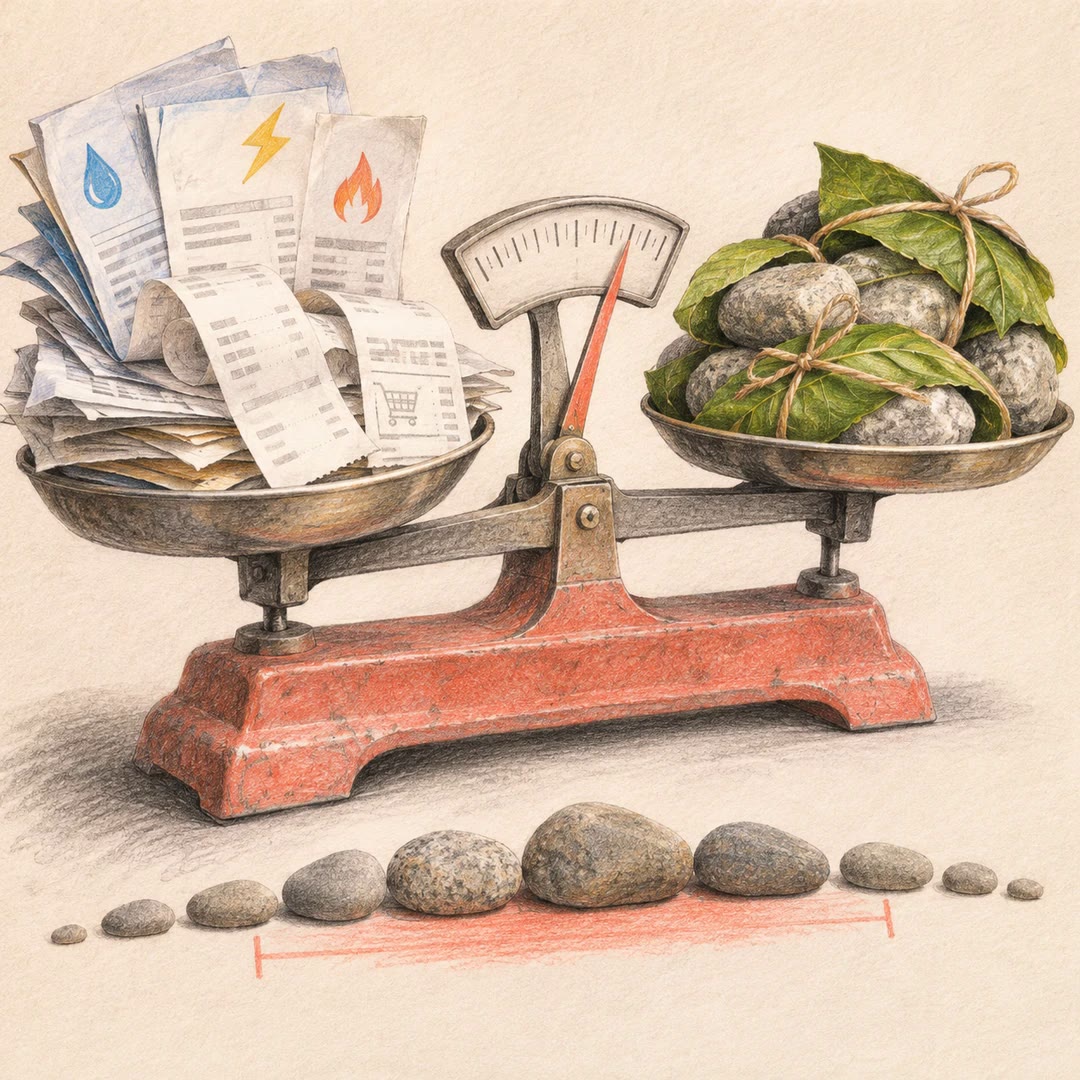
Estimate your carbon footprint with AI
Use your own bills and receipts to build an emissions range, retain the source behind each figure and compare changes without hiding uncertainty.
Free - SkillNew
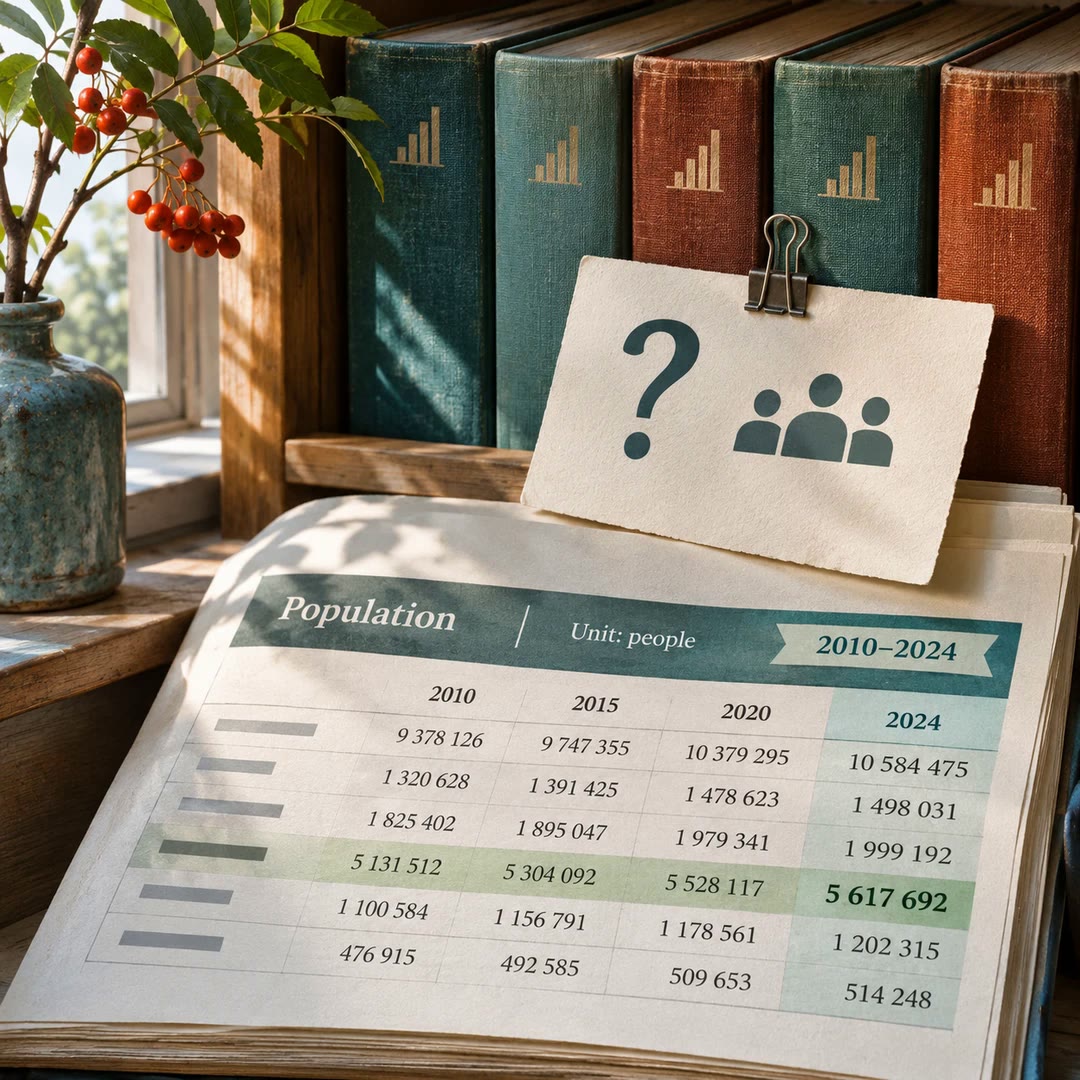
Find official statistics with AI
Ask a specific question of a PxWebApi v2 statistics service. Get the figures with the table, units and time period needed to quote them accurately.
Free - SkillNew
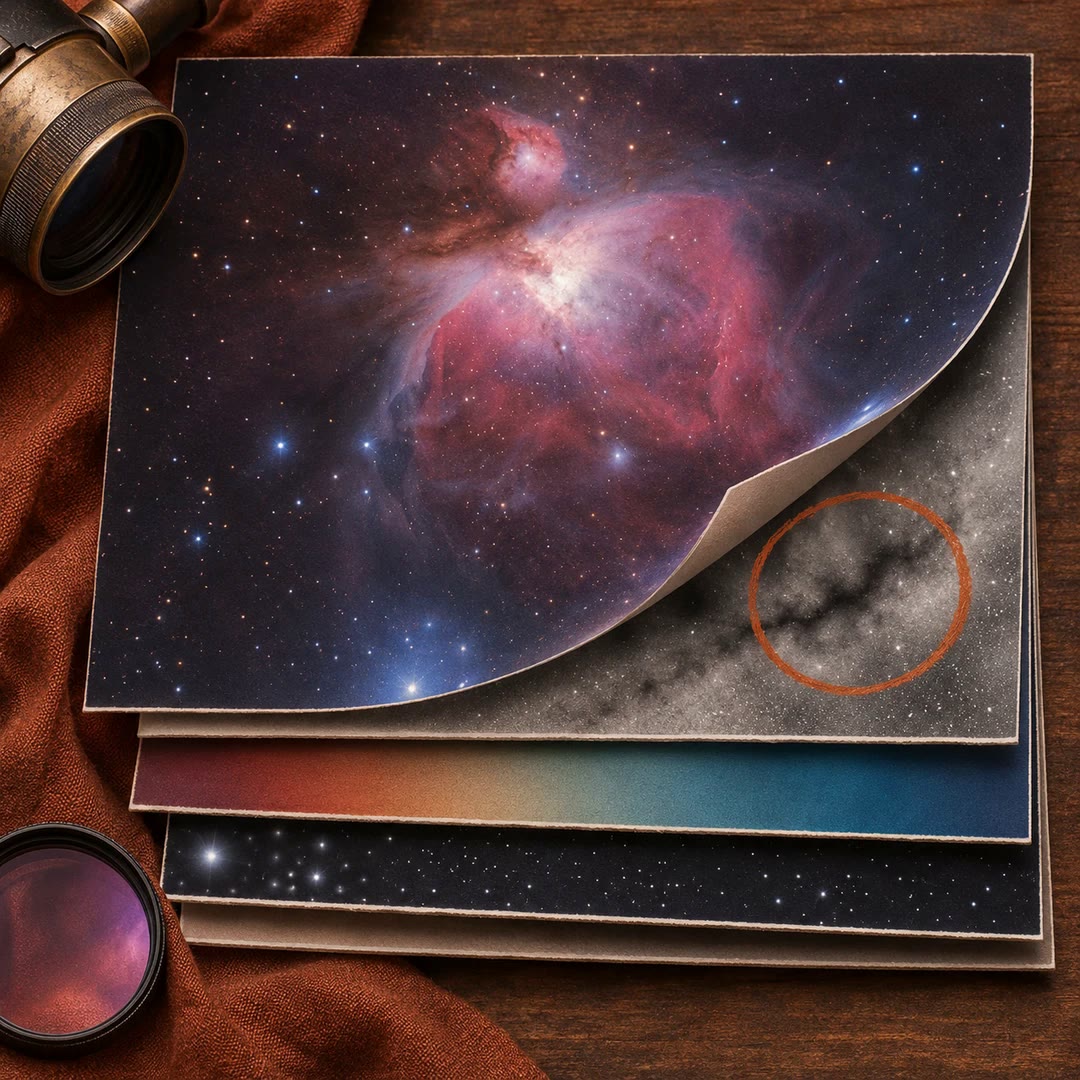
Review astrophotography data with AI
Work out which stage to revisit when a stack has dust shadows, uneven colour or stars that look different across the frame.
Free