Track analysis assumptions with AI
Record the decisions underneath a result, the evidence for them and the consequences if they turn out to be wrong. Keep a reviewable log for the next analyst.
Track analysis assumptions with AI when an apparently small choice could change the recommendation. The analysis-assumptions-log skill records what the team chose, why it was reasonable and how much confidence to place in it. Business rules, statistical assumptions and gaps in the data can occupy different entries.
A shop might use four weeks of orders to estimate demand for the next month. That is a workable starting point until someone points out that one week included a promotion. A log makes the choice visible and gives its owner somewhere to record a comparison with a less unusual period.
What it does
- State which decision the analysis is meant to inform.
- Record alternative definitions, inclusion rules and time windows.
- Separate confidence in an assumption from the impact of being wrong.
- Attach a validation plan to an uncertain choice with serious consequences.
- Update an existing item by identifier when evidence arrives.
Install and use
- Install the folder in a compatible agent. Have Python 3 available for the local reporting helper, and supply the analysis scope and your current assumptions.
- Ask, “Prepare a structured log for this forecast and explain why we excluded promotion days.”
- Have the agent prepare the JSON log. Use the helper to report on it or update a validation result, then review the record with your colleague.
FAQ
Source
Made by Nimrod Fisher. Original skill: analysis-assumptions-log, published on GitHub under the MIT licence.
View on GitHubRelated products
- SkillNew
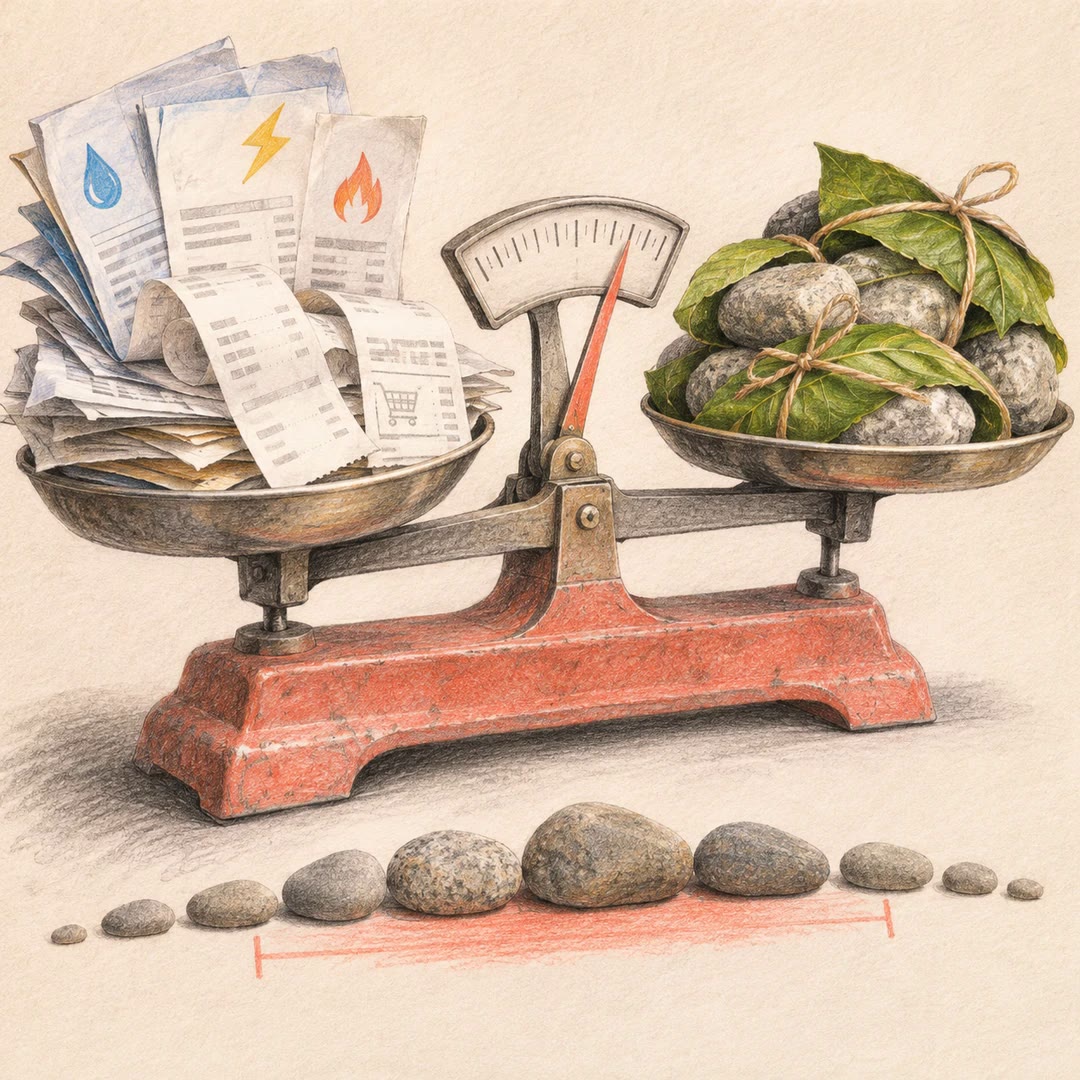
Estimate your carbon footprint with AI
Use your own bills and receipts to build an emissions range, retain the source behind each figure and compare changes without hiding uncertainty.
Free - SkillNew
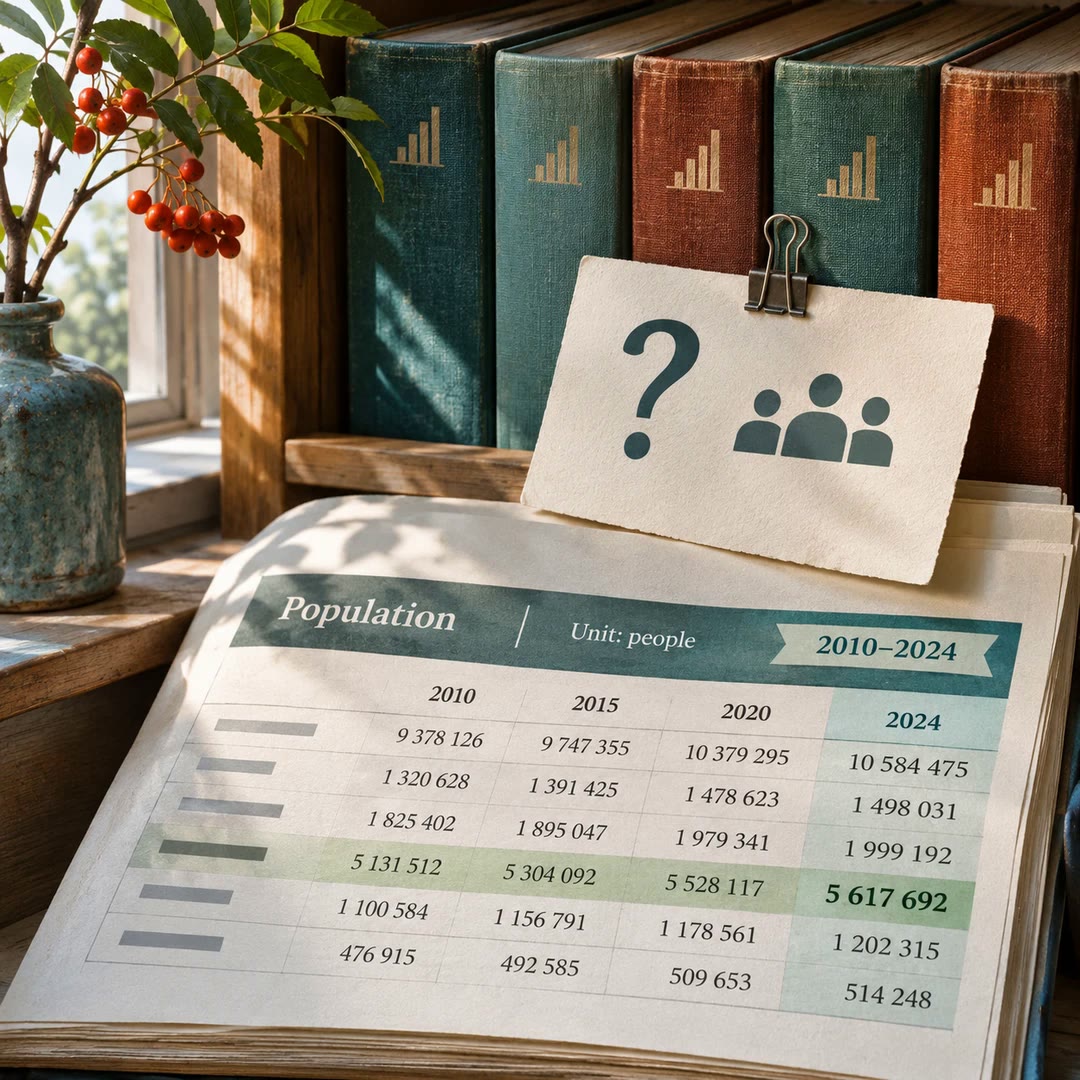
Find official statistics with AI
Ask a specific question of a PxWebApi v2 statistics service. Get the figures with the table, units and time period needed to quote them accurately.
Free - SkillNew
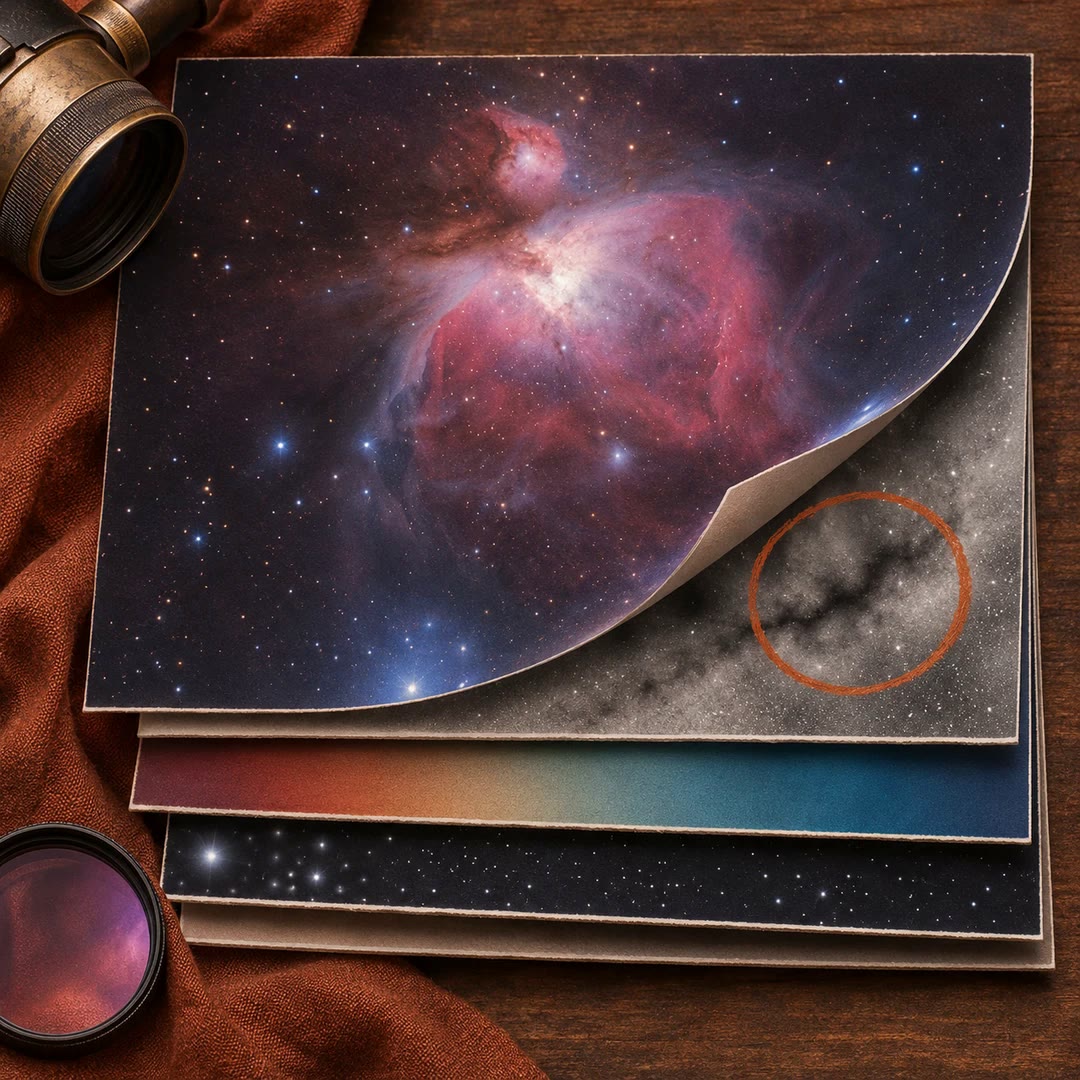
Review astrophotography data with AI
Work out which stage to revisit when a stack has dust shadows, uneven colour or stars that look different across the frame.
Free