Design sound effects with AI
Plan separate cues for a scene, write prompts for an effects generator and check each result against the action before mixing it.
To design sound effects with AI, watch a short scene and list the moments the ear should follow. A key landing on a wooden counter might need one sharp sound while the room carries a quiet electrical hum. The alterlab-genai-sound-effects skill helps an assistant make a sound map and write a separate generation prompt for each cue.
Describe the source, surface, distance and duration in terms you can listen for. If a footstep sits underneath a line of dialogue, the choice of shoe and floor matters as well as the volume. Working with separate layers makes it possible to replace that step without rebuilding the atmosphere of the whole room.
What it does
- Mark effects against action in a script or rough cut.
- Distinguish a continuous room tone from a single impact.
- Write separate prompts for footsteps on wood and stone.
- Choose which sounds belong in the foreground or distance.
- Listen for a noticeable join in an ambient loop.
Install and use
- Supply authorised scene notes and timings to the assistant. Generating audio in ElevenLabs requires access to the service and enough credits for the chosen plan.
- For example, request a close key impact three seconds into the shot and a steady room tone that leaves the following dialogue clear.
- Generate and audition the individual cues, revise the prompt for any weak result and arrange the approved files in your own audio or video editor.
FAQ
Source
Made by Cem İpek / AlterLab Creative Technologies Laboratory. Original skill: alterlab-genai-sound-effects, published on GitHub under the MIT licence.
View on GitHubRelated products
- SkillNew
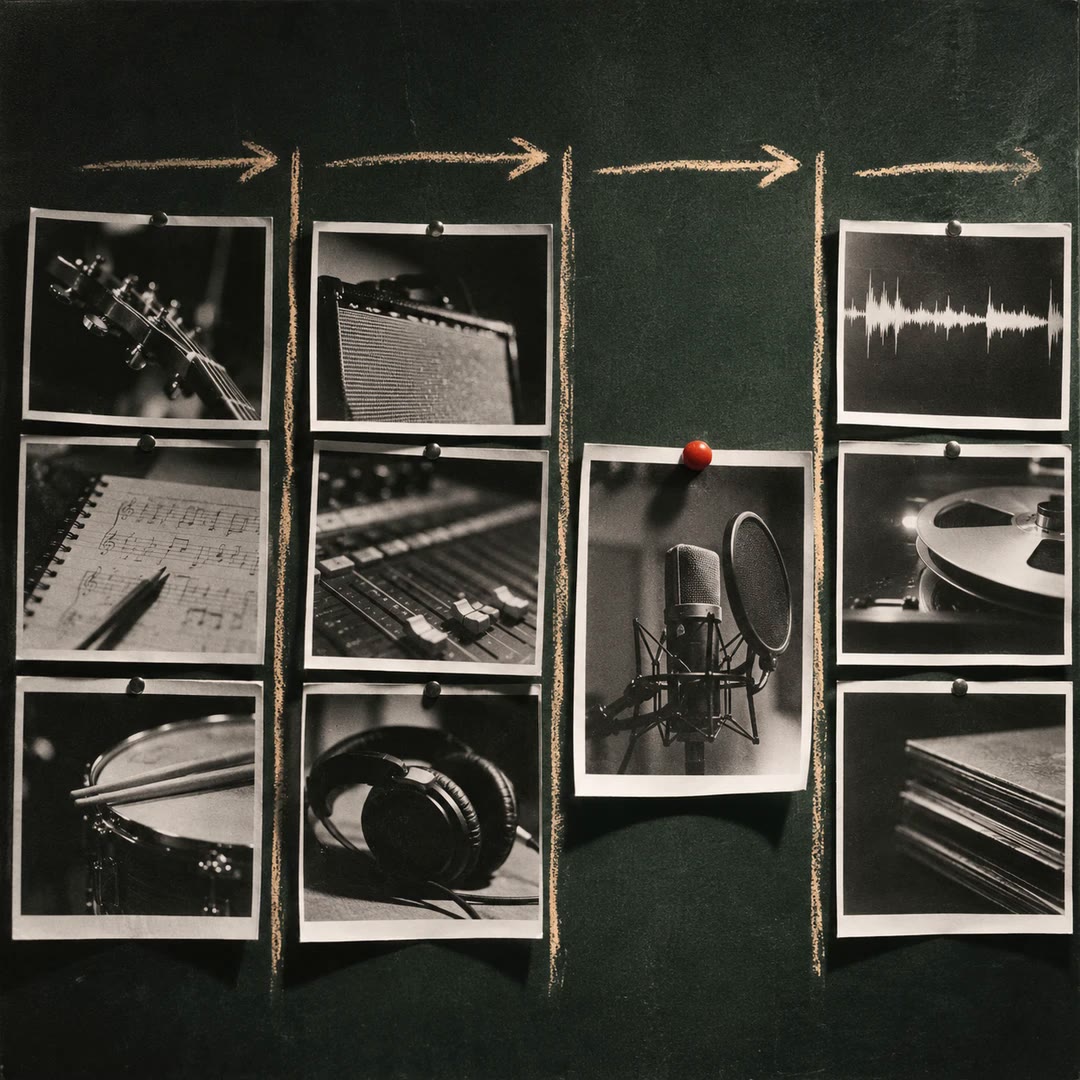
Track album progress with AI
Review track status, workflow stages and blockers in a structured text report
Free - SkillNew
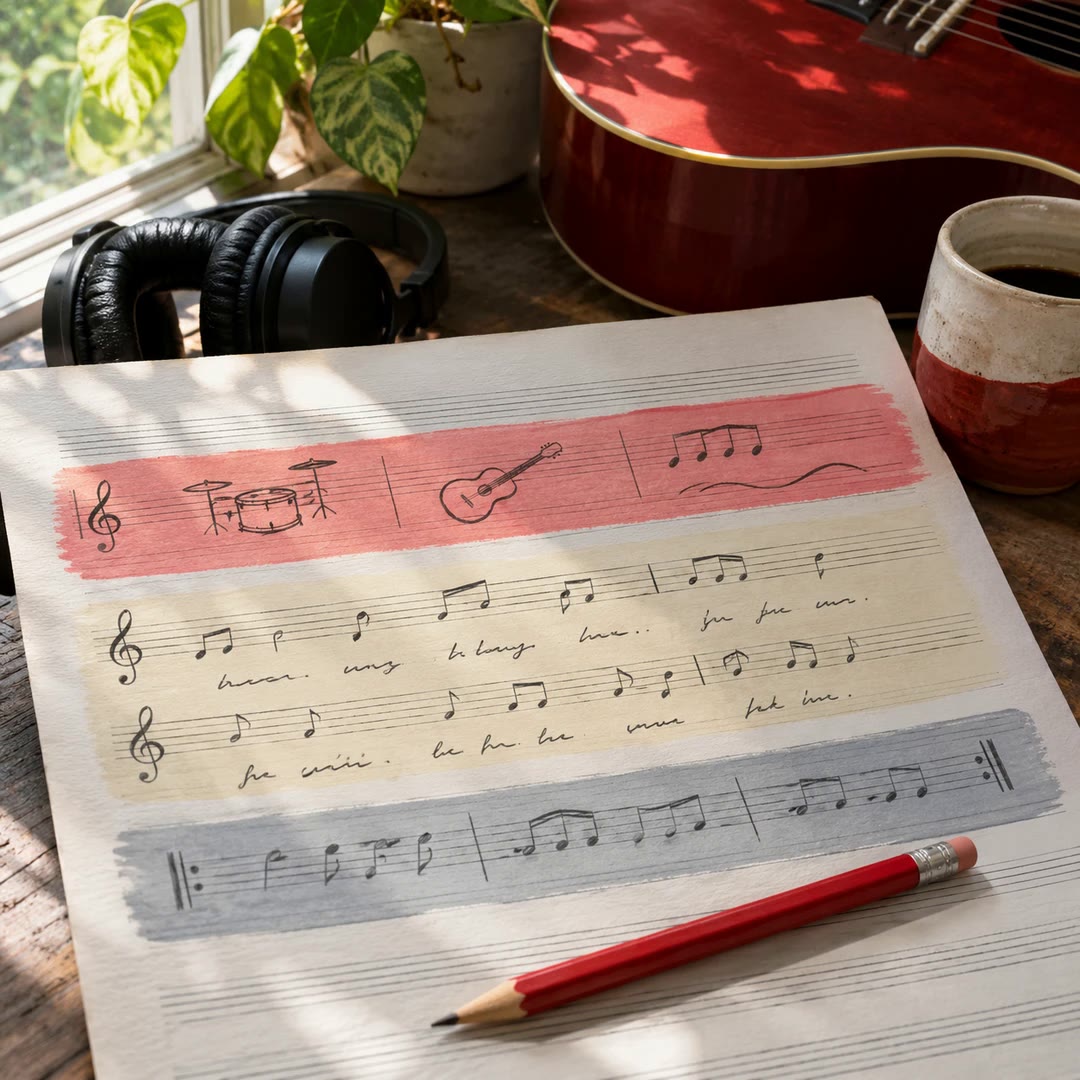
Write music prompts with AI
Shape a musical brief into a prompt for the chosen generator, placing style, lyrics and section cues in the appropriate fields.
Free - SkillNew
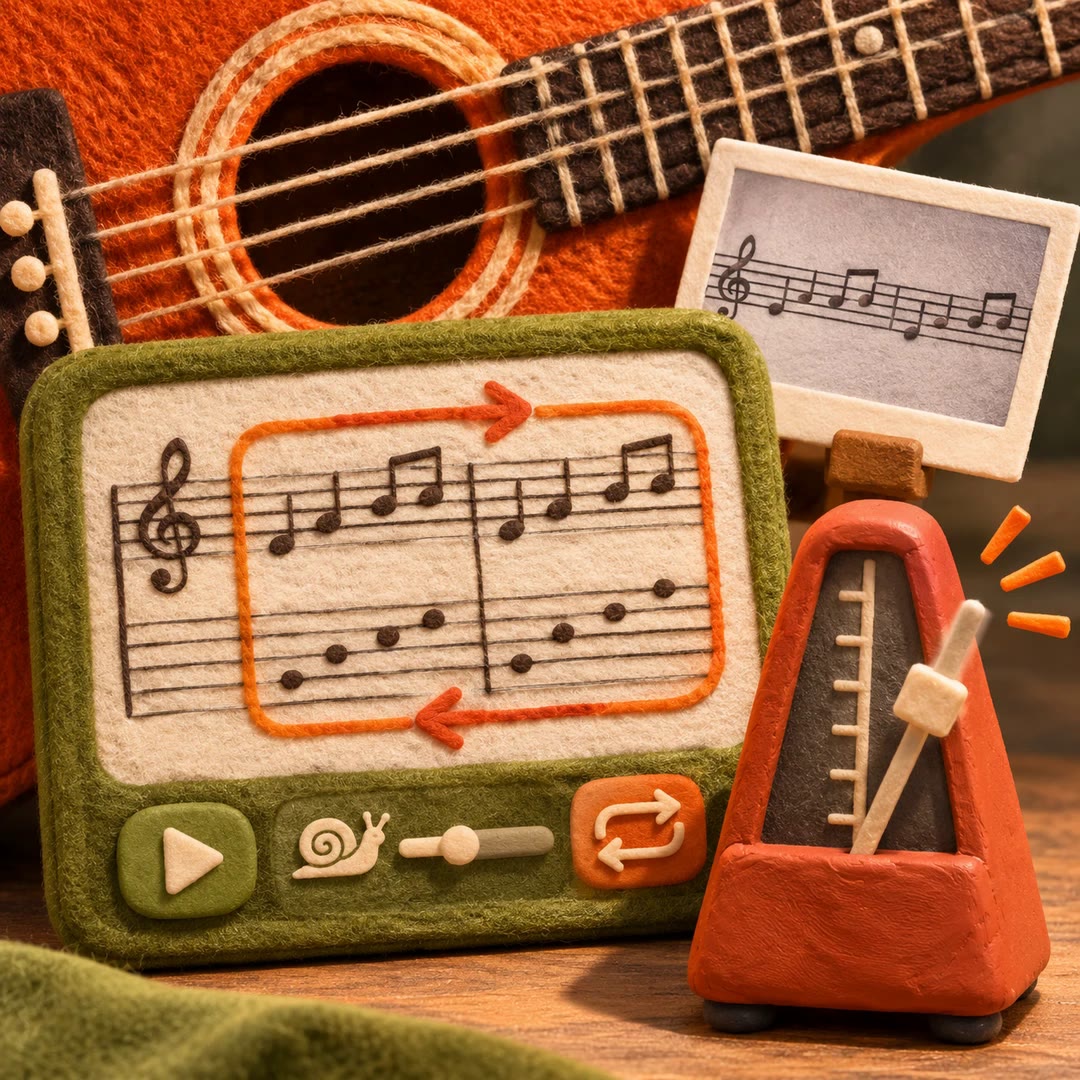
Practise guitar tabs with AI
Turn a guitar score into an interactive practice page with slower playback, selected-bar loops and a source image for checking the transcription.
Free