Plan film sound design with AI
Mark what the audience should hear, where it should begin and who will supply it. Turn a spotting session into notes an editor can use.
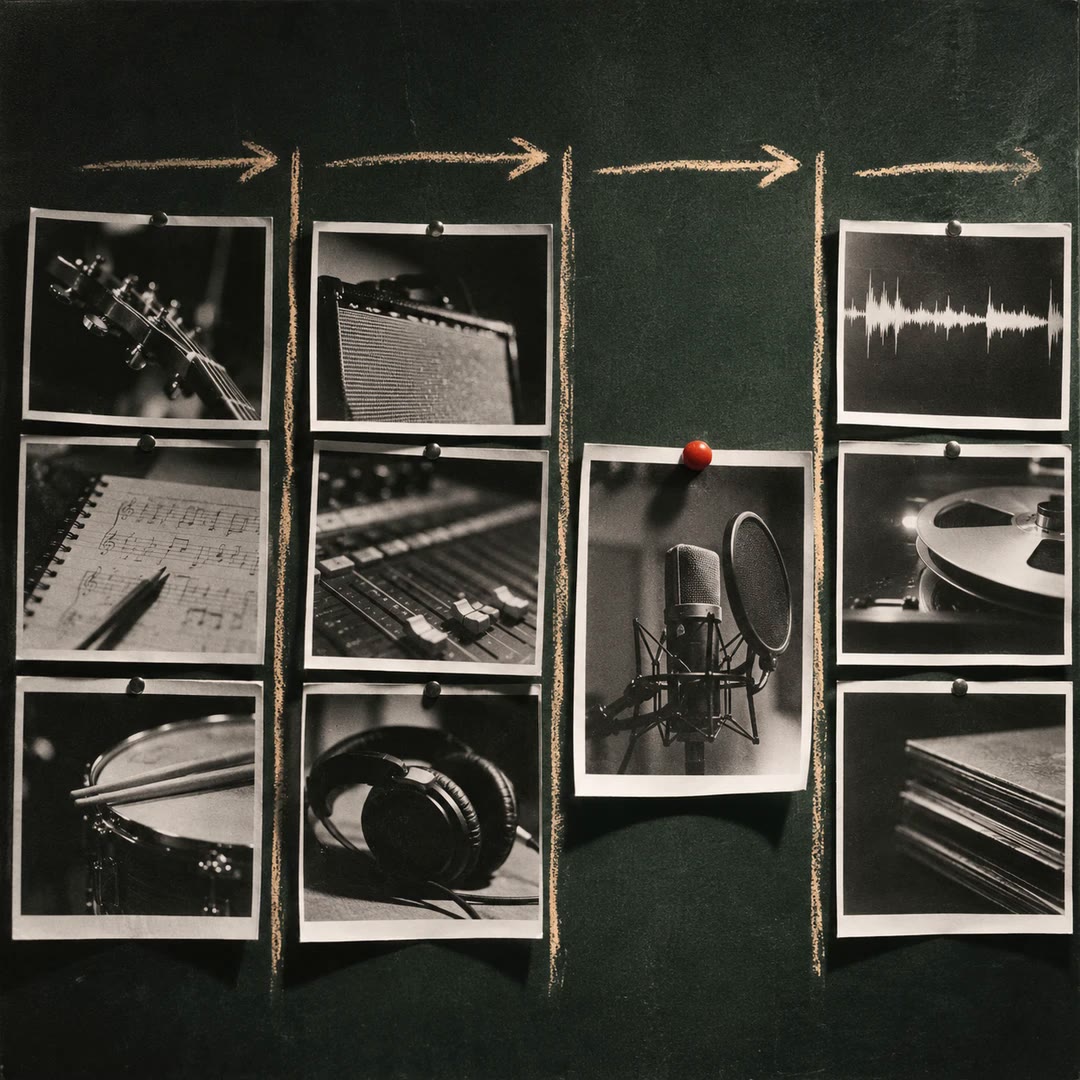
You can plan film sound design with AI from a locked cut or a set of scene notes. Imagine a bicycle rolling off a paved street onto gravel just outside the frame. The editor needs a cue for the surface change, the person recording foley needs a wheel and two surfaces, and the mixer needs room for the line that follows. The alterlab-cdm-sound-designer sound map keeps those decisions attached to the same scene.
Use the material you actually have. A screenplay can establish which sounds matter. Accurate timecodes come later, once the cut settles. Each cue can carry a source and clearance note, so a temporary music choice stays distinguishable from a track cleared for release.
What it does
- Group recording sessions by prop, character or surface.
- Describe an ambience that bridges a cut between locations.
- Spot an effect that would compete with quiet dialogue.
- Log music entry and exit against the edited picture.
- Give the sound editor a scene reference for an intentional silence.
Install and use
- Share your authorised project notes and specify a delivery target. An audio workstation is useful later for recording, editing and metering.
- Ask for a sound map, a foley plan or a music cue sheet. For example, mark the bicycle's last few metres on gravel just before the dialogue.
- Check the cue against the cut, confirm the source and save the revised plan in the project folder.
FAQ
Source
Made by Cem İpek / AlterLab Creative Technologies Laboratory. Original skill: alterlab-cdm-sound-designer, published on GitHub under the MIT licence.
View on GitHubRelated products
- SkillNew
Track album progress with AI
Review track status, workflow stages and blockers in a structured text report
Free - SkillNew
Write music prompts with AI
Shape a musical brief into a prompt for the chosen generator, placing style, lyrics and section cues in the appropriate fields.
Free - SkillNew
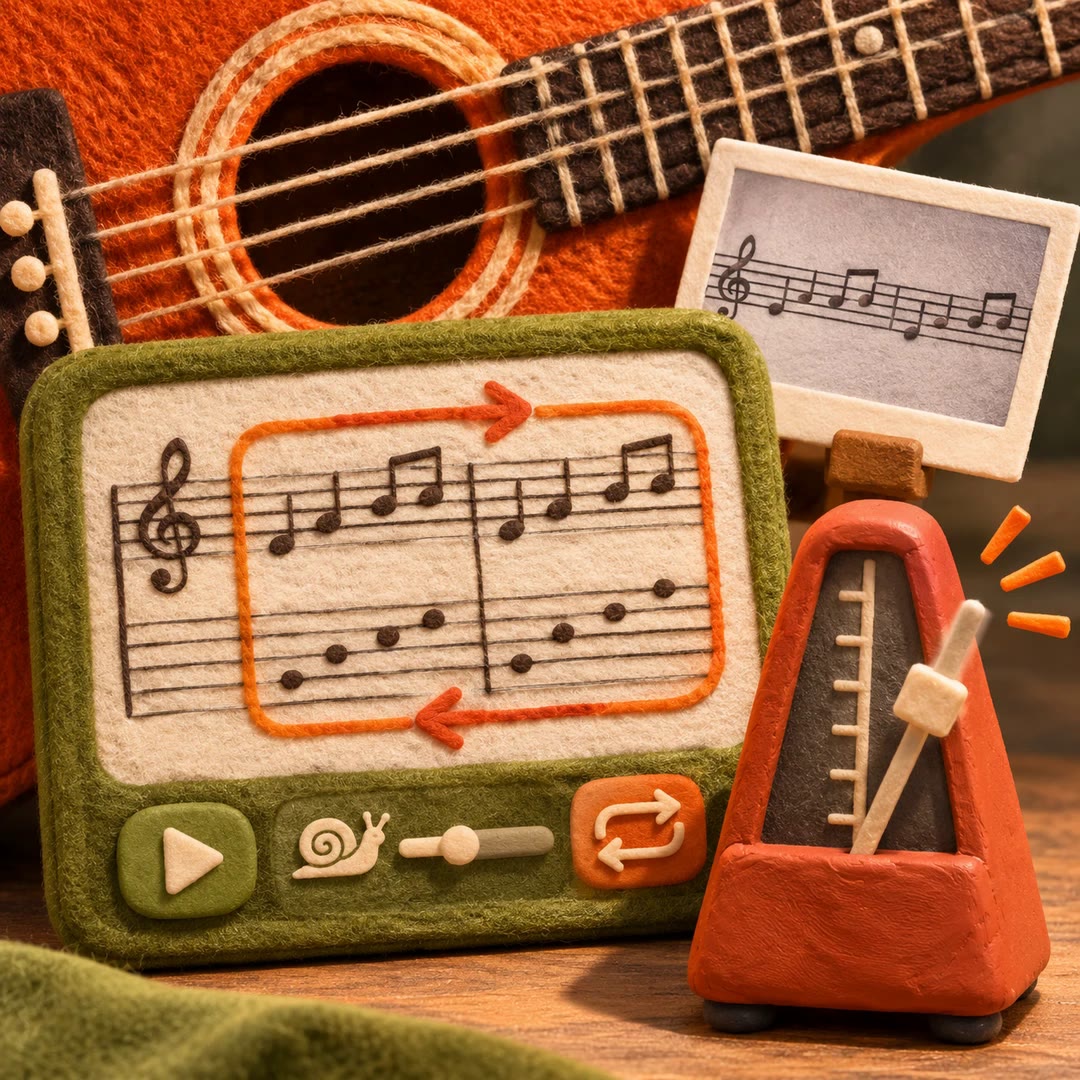
Practise guitar tabs with AI
Turn a guitar score into an interactive practice page with slower playback, selected-bar loops and a source image for checking the transcription.
Free