Frame a design problem with AI
Turn a proposed feature into a question you can investigate. Record who is affected, what the team has observed and how a better outcome could be measured.
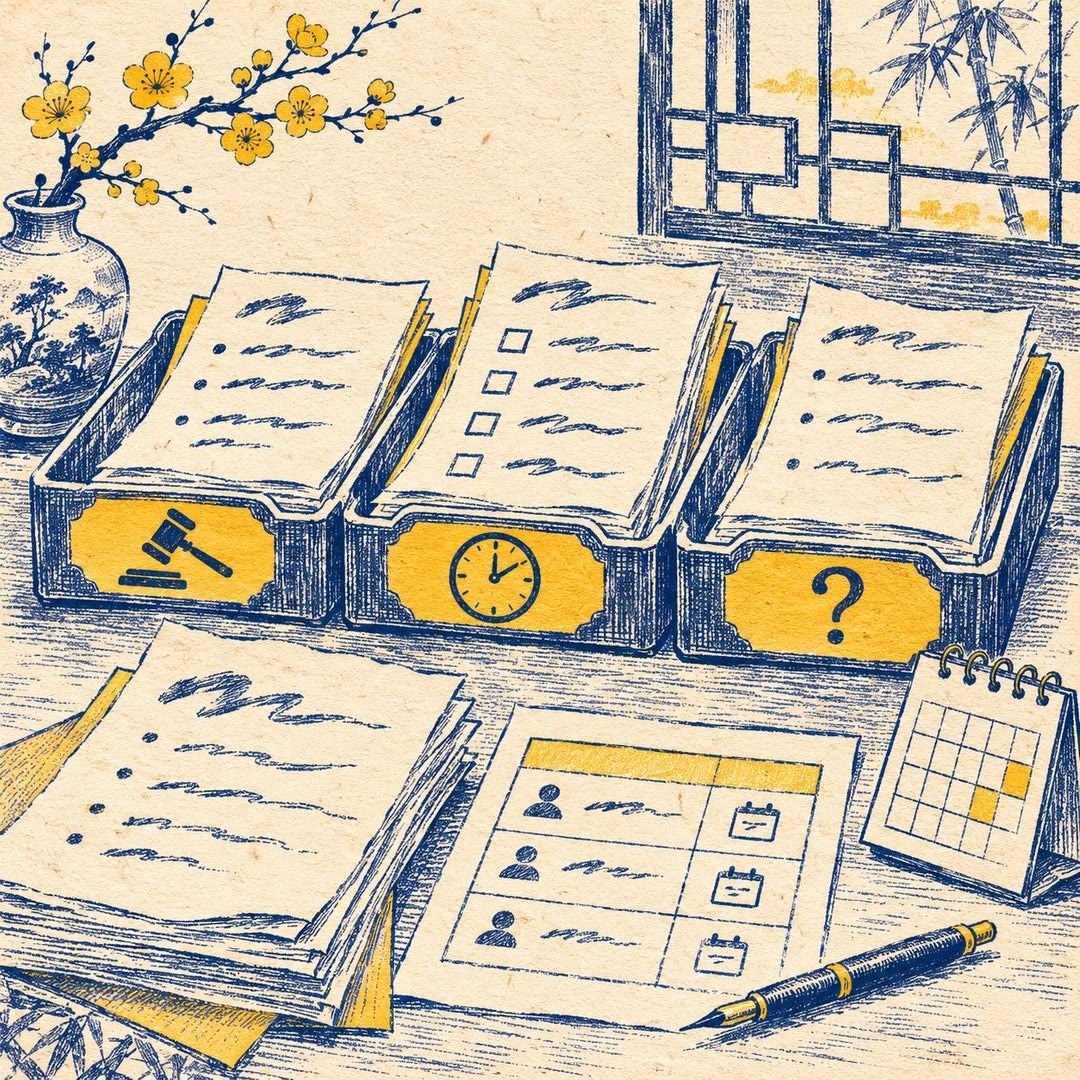
When you frame a design problem with AI, a request like “add a dashboard” is a starting point. What is somebody trying to find, and what happens when they cannot? The problem-mapping skill prompts a team to record affected users, a problem statement, success criteria, constraints and open assumptions on one working page.
Suppose a venue keeps receiving calls about ticket collection. A new dashboard could help staff, but clearer collection instructions might prevent the calls altogether. Keep both possibilities open while you check what was observed and what has merely been suggested in a meeting.
What it does
- Describe the task in the user’s own terms.
- Separate an observation from an explanation that still needs testing.
- Identify people affected by the same problem in different ways.
- Set one measure the team could compare after a change.
- Turn a gap in evidence into a research question.
Install and use
- Supply an anonymised example and the original feature request. Include any constraints you already know.
- Ask the agent to map the problem. For example, distinguish callers who missed the collection window from callers who could not find the venue entrance.
- Review the draft with the team. Mark unsupported assumptions and agree on the next piece of evidence to collect.
FAQ
Source
Made by Problem Mapping Contributors. Original skill: problem-mapping, published on GitHub under the MIT licence.
View on GitHubRelated products
- SkillNew
Prepare Chinese meeting notes with AI
Organise Chinese meeting records into decisions, actions and open issues, then review owners and deadlines before sharing.
Free - SkillNew
Keep an agent's reflective journal
Save a short model-written reflection on a noteworthy conversation
Free - SkillNew
Improve recurring team meetings with AI
Give engineering-team meetings a clear purpose, decision owner and useful output while protecting focus time.
Free