Design storefront search with AI
Model sellable variants and consistent filters so a result leads to the size, colour and availability the shopper actually selected.
Design storefront search with AI when finding a parent product does not mean finding a purchasable match. The marketplace-search-and-ranking skill helps an agent define index documents, stable facet identifiers, query normalisation and transparent ranking rules. The original display text stays intact while a separate search representation can be normalised.
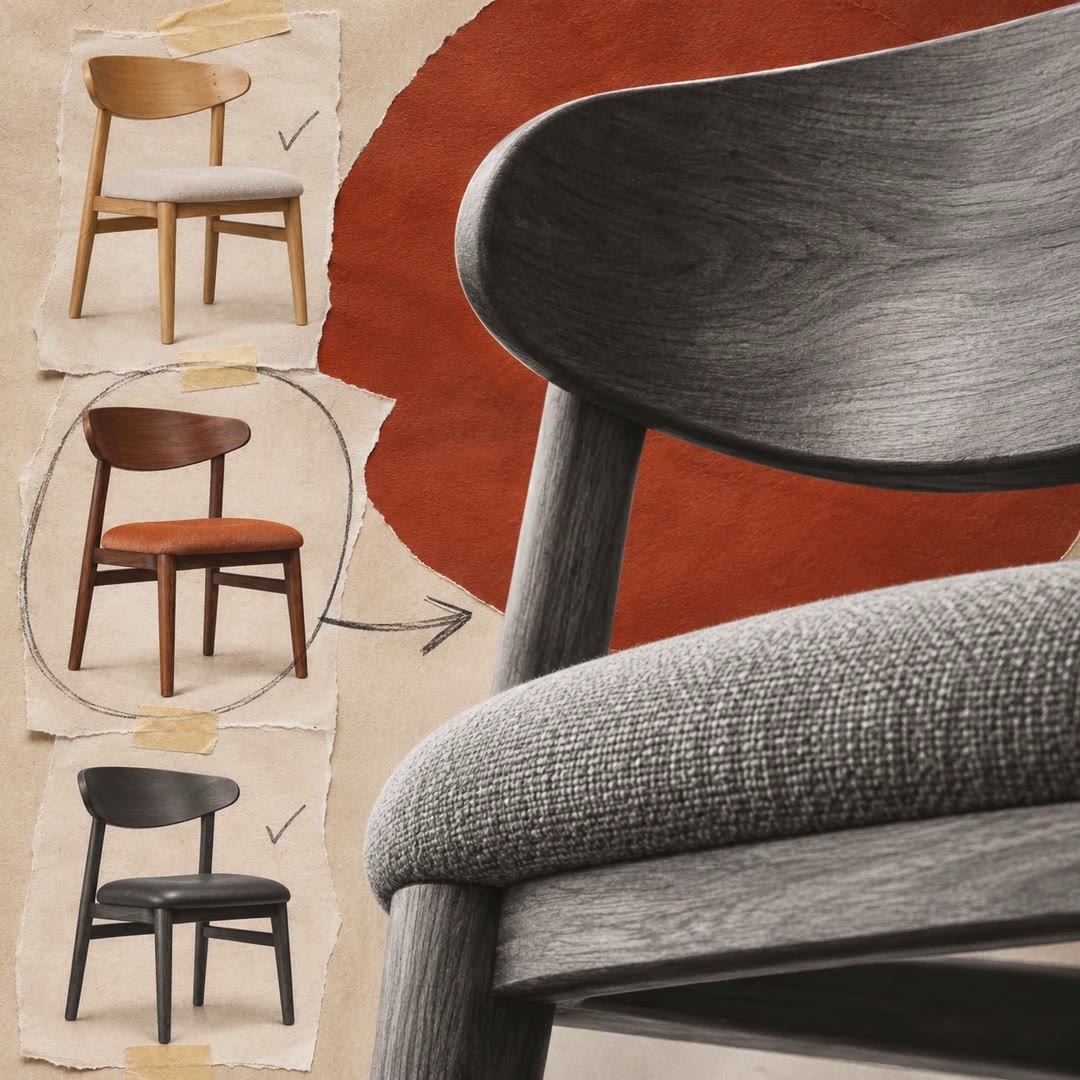
A black shoe in size seven is a useful test. A parent may offer black and size seven somewhere in its range, but not together. Indexing the buyable unit allows a search to represent the real combination and avoids sending the shopper to a variant that cannot be ordered.
What it does
- Capture variant-level size, colour, price and availability.
- Use stable filter IDs with labels appropriate to each language.
- Apply the same text normalisation at indexing and search time.
- Explain the behaviour of multiple selections within and across facets.
- Inspect why a result was included, excluded or ranked higher.
Install and use
- Use an agent with authorised catalogue samples and the intended search setup. Node 20+ runs the local text-normalisation helper.
- Ask it to design search documents for a small variant family and predict the results of two combined filters.
- Test spelling variants and unavailable combinations against the real destination pages.
FAQ
Source
Made by Naser Sadrmanesh. Original skill: marketplace-search-and-ranking, published on GitHub under the MIT licence.
View on GitHubRelated products
- SkillNew
Write a product listing with AI
Turn supplied digital-product facts into listing copy, packaging suggestions and clearly marked terms for review.
Free - SkillNew
Model product variants with AI
Decide what a customer buys, assign each sellable unit a SKU and check the catalogue structure before building an import.
Free - SkillNew
Write product descriptions with AI
Turn catalogue facts into product copy and check for unexpected prices, unsupported claims and text in the wrong language.
Free