Create a Lucid flowchart with AI
Convert an actual process into editable stages, decision branches and parallel work, keeping unknown outcomes visible for the team to resolve.
Create a Lucid flowchart with AI when the procedure is clear to the person who wrote it but a new colleague cannot tell what happens to a rejected request. The lucid-create-flowchart skill builds from the supplied process and keeps the result editable. It can represent an unknown destination explicitly instead of inventing a convenient next step.
An order example shows why the kinds of branch matter. Address validation and a stock check may run in parallel, then both must finish. Collection and delivery, on the other hand, may be alternatives selected by the customer. A useful flowchart allows a reader to see that distinction without a verbal explanation.
What it does
- Identify the start, end and boundaries of a process.
- Label decision exits with the circumstances that send work down each path.
- Draw a join for activities that take place in parallel.
- Use document, data or delay shapes where the source process justifies them.
- Leave a missing branch outcome visible for a process owner to clarify.
Install and use
- Provide an authorised Lucid connection and a source procedure you may share with that workspace. Identify the intended audience and scope.
- Ask, “Map our order approval process, show address and stock checks in parallel and mark the unknown outcome for insufficient stock.”
- Walk one representative case through the editable diagram and ask the owner to review any assumptions.
FAQ
Source
Made by Lucid Software. Original skill: lucid-create-flowchart, published on GitHub under the MIT licence.
View on GitHubRelated products
- SkillNew
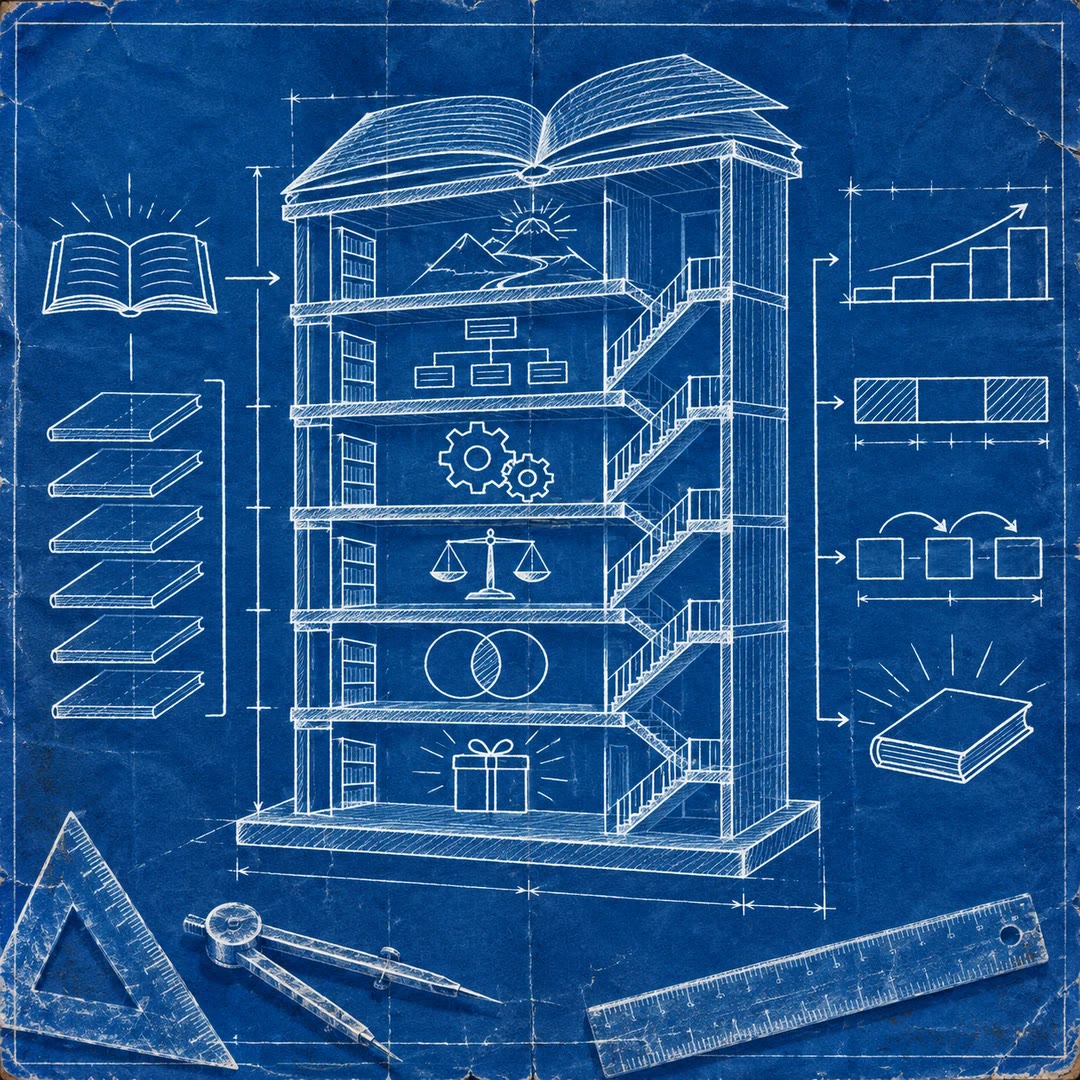
Plan a book structure with AI
Clarify the book’s promise and each chapter’s contribution, then examine progression, balance, repetition and the payoff for its intended reader.
Free - SkillNew
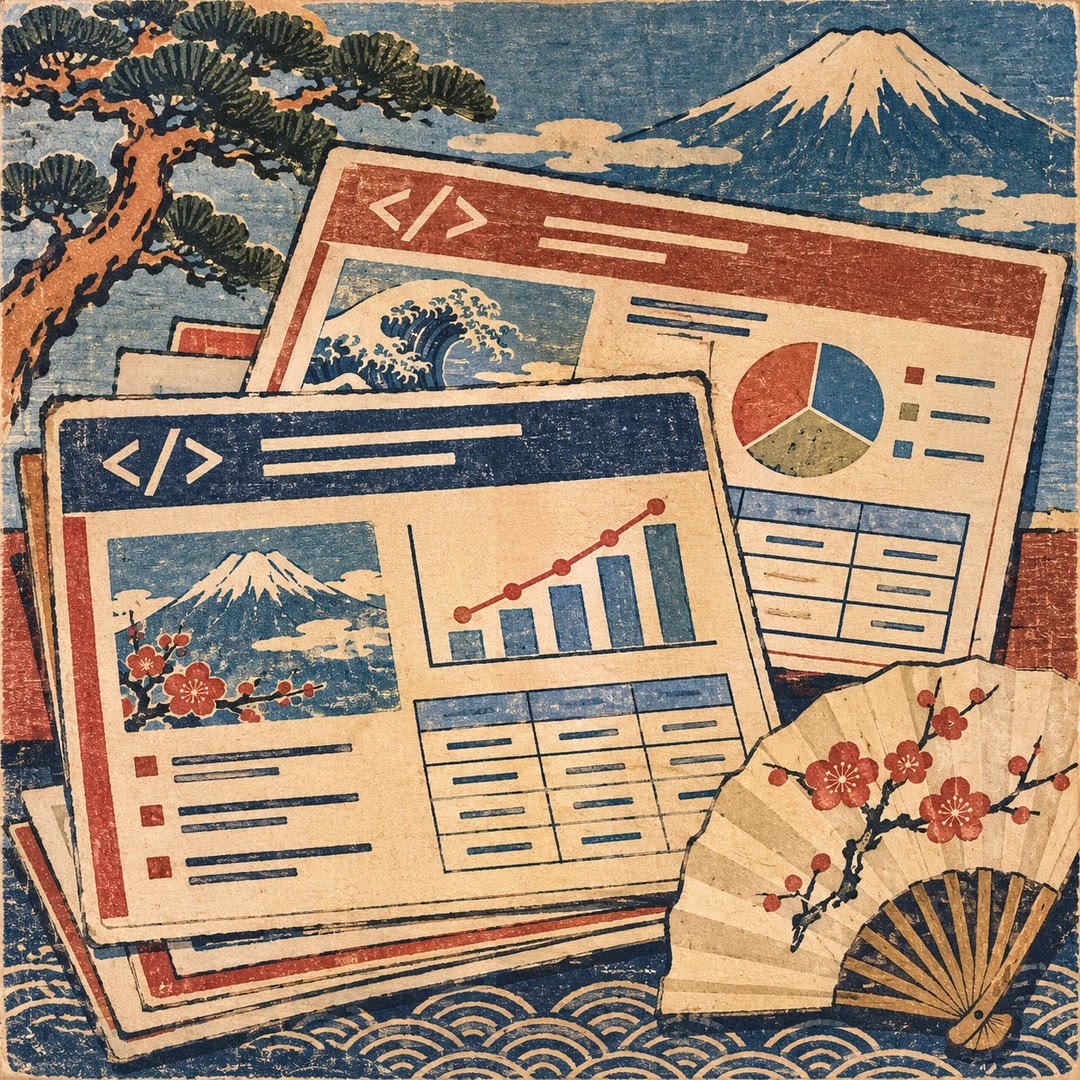
Create Japanese and English HTML slides with AI
Build editable HTML decks with charts, tables and optional illustrations, then inspect browser-rendered slides and exported PNGs.
Free - SkillNew
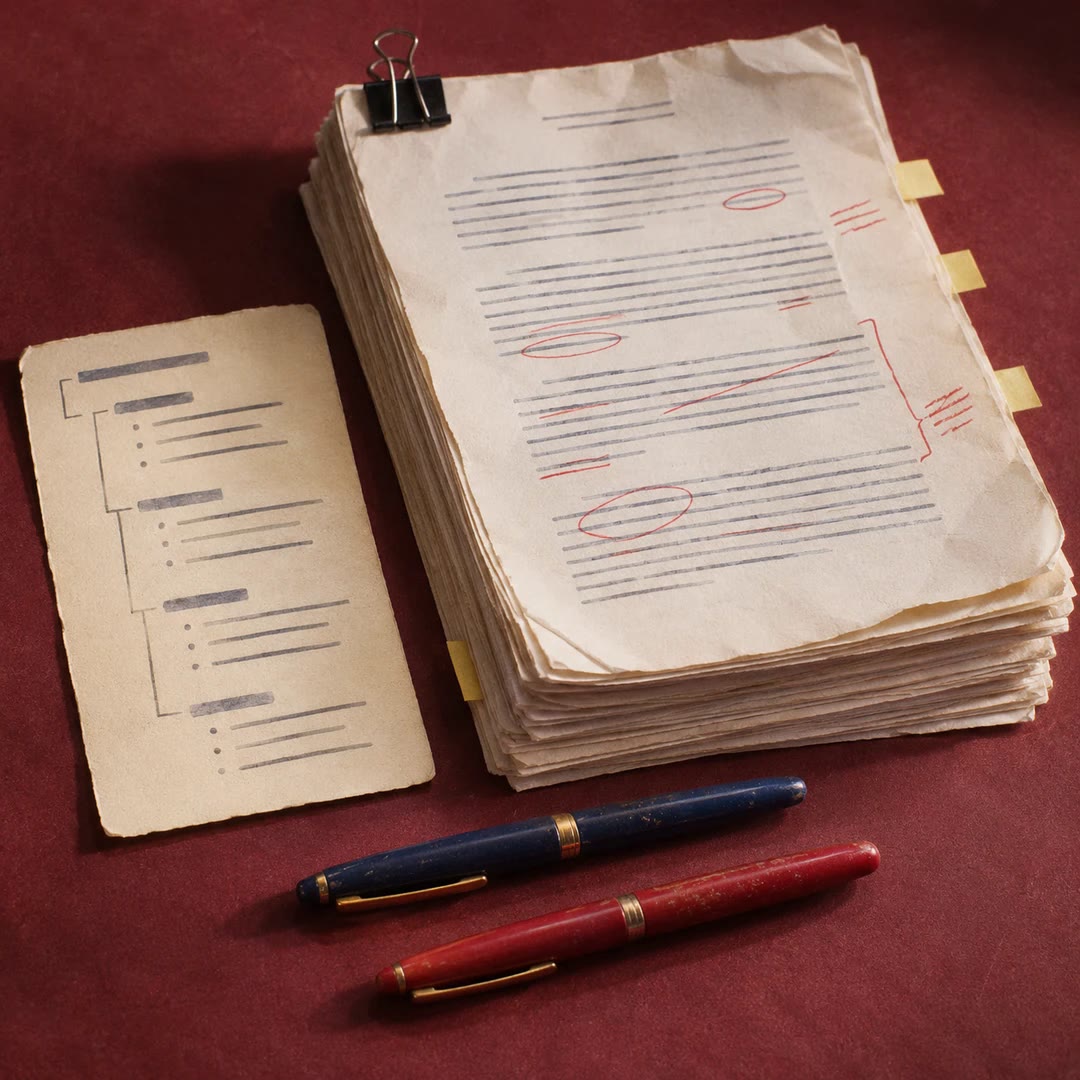
Write a book with AI agents
Develop your own material through an approved outline, separate drafting and review roles, and a whole-manuscript check before requesting a verified export.
Free