Document AI use in research
Prepare a bounded disclosure from real records, distinguishing the tool’s contribution, the author’s decisions and anything that still needs confirmation.
When you document AI use in research, a generic statement about “editing assistance” may conceal several quite different activities. A tool might suggest a structure, generate a first draft or correct a sentence that the author then rewrote. The generative-ai-use skill ties each material use to a particular version of the work and to the records available.
The distinction between an exact prompt and a later recollection matters. The workflow allows a labelled reconstruction without presenting it as a verbatim log. It also looks for the current requirements of the institution, publisher or other venue relevant to the actual submission.
What it does
- Describe the purpose, timing and known tool version for each use.
- Separate authentic prompt excerpts from summaries and reconstructions.
- Record which outputs were used, edited, rejected or independently checked.
- Distinguish author decisions from actions performed by an AI tool.
- Identify missing evidence and confirmations required from collaborators.
Install and use
- Install the skill with the author’s private research project template. Gather the identified artefact, authorised use records and current venue guidance. Remove irrelevant or confidential material from the supplied excerpts.
- Ask, “Draft an AI-use appendix for this methods section. Mark the two reconstructed prompts and identify which author checks are still pending.”
- Compare the draft with the records and have the relevant authors confirm the account before submission.
FAQ
Source
Made by Anh Dang. Original skill: generative-ai-use, published on GitHub under the MIT licence.
View on GitHubRelated products
- SkillNew
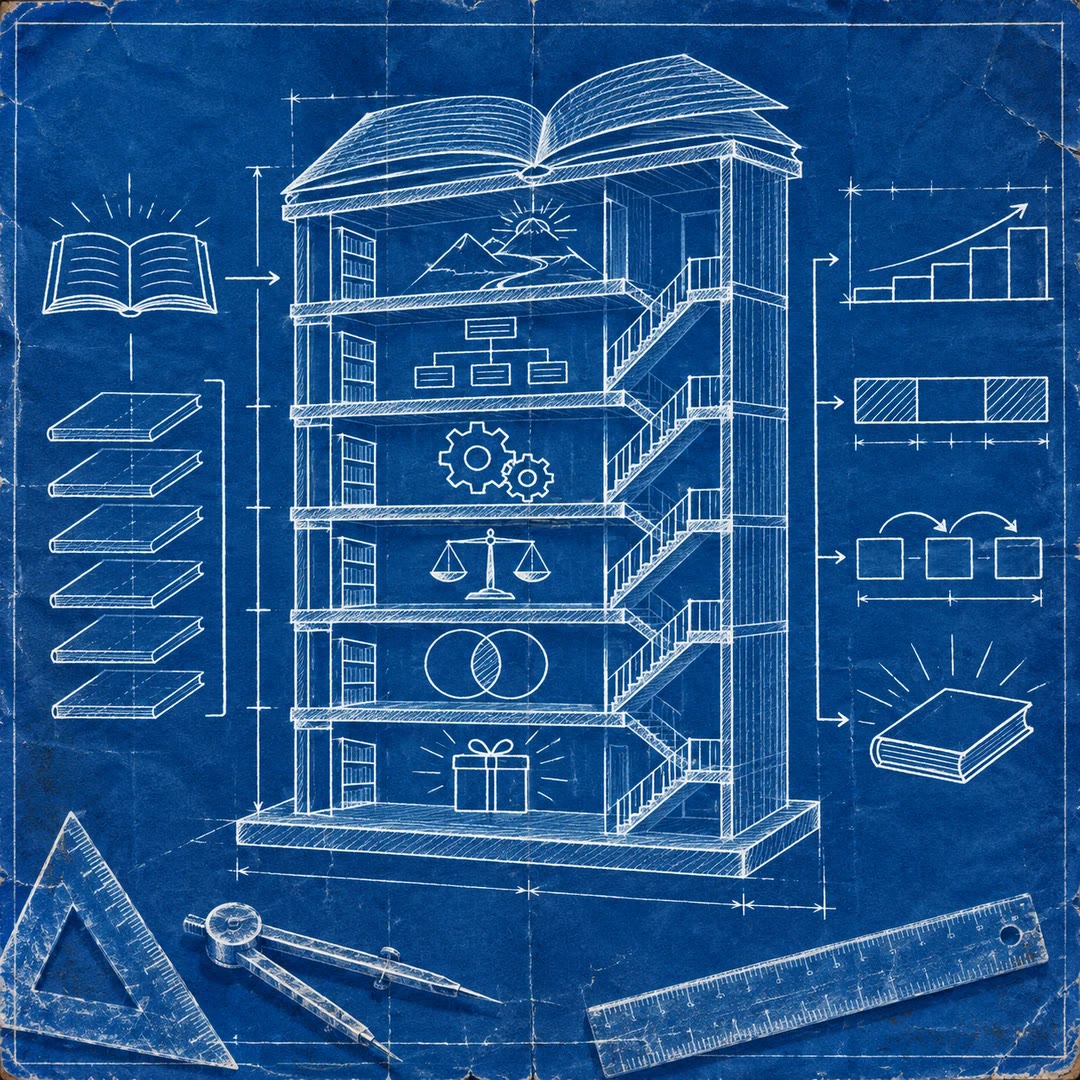
Plan a book structure with AI
Clarify the book’s promise and each chapter’s contribution, then examine progression, balance, repetition and the payoff for its intended reader.
Free - SkillNew
Create Japanese and English HTML slides with AI
Build editable HTML decks with charts, tables and optional illustrations, then inspect browser-rendered slides and exported PNGs.
Free - SkillNew
Write a book with AI agents
Develop your own material through an approved outline, separate drafting and review roles, and a whole-manuscript check before requesting a verified export.
Free