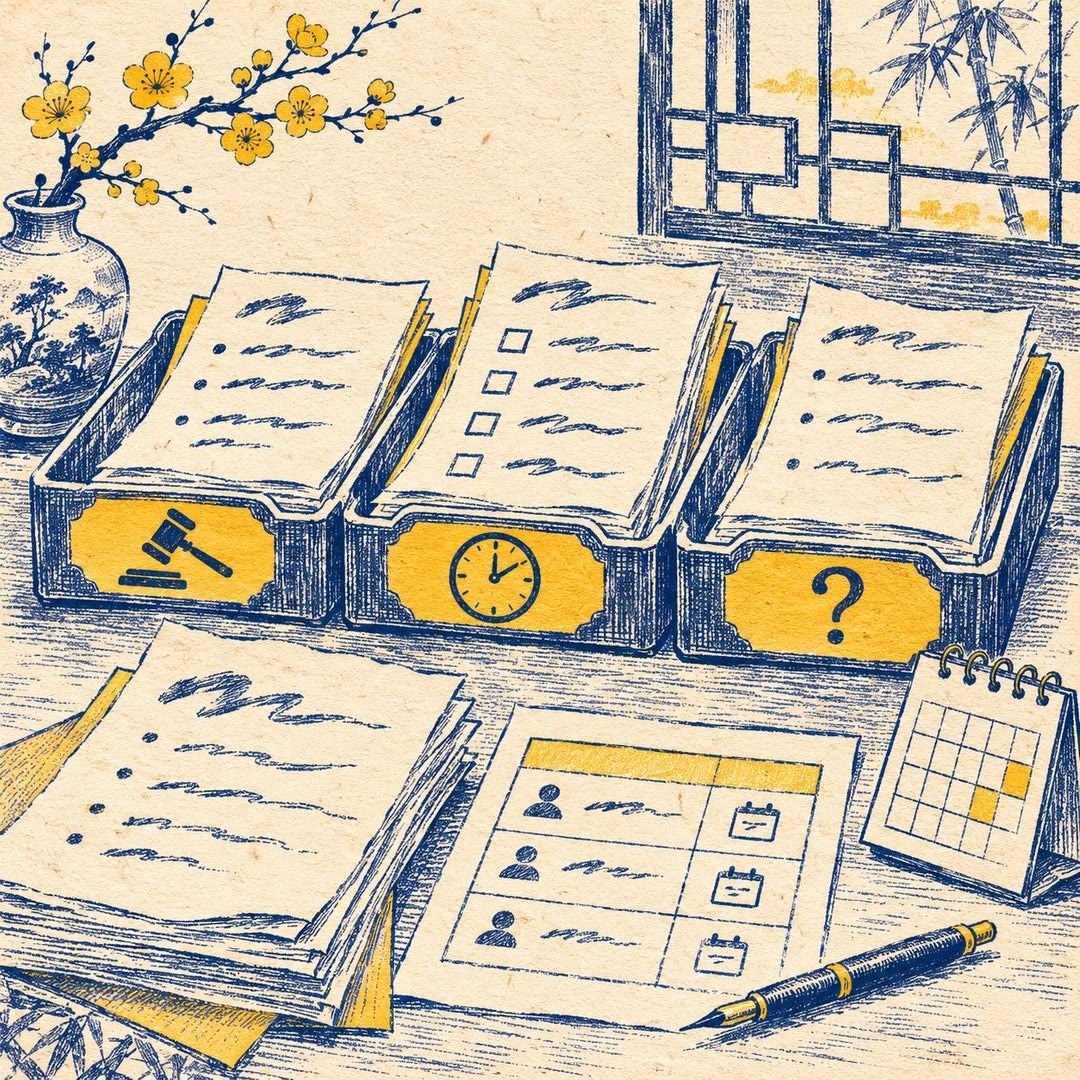
Write an after-action report with AI
Compare what the team expected with what happened, reconstruct the timeline and give each agreed improvement an owner and a follow-up date.
Write an after-action report with AI while people still remember what they knew during the event. A launch team might discover an hour later that a checkout error had been visible in a different team's logs all along. The after-action-report skill asks why the original decisions made sense with the information available at the time.
Collect an expected outcome, a dated sequence and the effects people actually observed. Keep disagreements visible until the evidence resolves them. The report is most useful when a reader can see what should be repeated, what needs to change and who will check that the change worked.
What it does
- Compare the original plan with the observed result.
- Build a timeline from permitted messages, tickets or logs.
- Distinguish a contributor's observation from a later interpretation.
- Identify a process or information gap behind a delayed response.
- Assign a concrete action, owner and review date.
Install and use
- Give the agent authorised event notes, participant accounts and the expected impact. Use this workflow after the incident or project, when the team can review it.
- Ask, “Why did we notice the registration problem late? Show what was visible at each stage and flag any gaps in the record.”
- Review the timeline with participants and confirm the actions with the people who will own them.
FAQ
Source
Made by RampStack Co. Original skill: after-action-report, published on GitHub under the MIT licence.
View on GitHubRelated products
- SkillNew
Prepare Chinese meeting notes with AI
Organise Chinese meeting records into decisions, actions and open issues, then review owners and deadlines before sharing.
Free - SkillNew
Keep an agent's reflective journal
Save a short model-written reflection on a noteworthy conversation
Free - SkillNew
Improve recurring team meetings with AI
Give engineering-team meetings a clear purpose, decision owner and useful output while protecting focus time.
Free